Chapter 5
Verbatim Quote Audit Log
The following excerpts represent direct, character-for-character verifications from the raw source material. PathMap guarantees 100% fidelity on these passed citations.
VERIFIED VERBATIM (PMID: 42391938)
"The gut microbiota plays a pivotal role in regulating host physiology, metabolism, and overall health."
VERIFIED VERBATIM (PMID: 42486574)
"Microbial dysbiosis has been associated with chronic inflammation, immune modulation, altered cellular proliferation and apoptosis, and the production of carcinogenic metabolites which collectively shape the tumor microenvironment."
VERIFIED VERBATIM (PMID: 42480325)
"Z-d14CFR treatment significantly reduced the adhesion of E. coli to BEECs, promoted bacterial clearance in the uterus, and then downregulated the expression of pro-inflammatory cytokines (IL-6, IL-1β, and TNF-α) and upregulated the expression of anti-inflammatory cytokine (IL-10) via inhibiting the TLR4/MyD88/NF-κB signaling pathway activation."
VERIFIED VERBATIM (PMID: 42482934)
"Integrated transcriptomic and proteomic analyses identified caveolin (Cav1) and carboxylesterase 1d (Ces1d) as critical host targets of O-EVs."
VERIFIED VERBATIM (PMID: 42455659)
"Inhibition of CXCR4+ cell influx from the BM impaired formation of the FR, altered the responsiveness of intestinal IgA to commensal bacteria, promoted gut dysbiosis, allowed translocation of pathogenic bacteria (e.g., Streptococcus alactolyticus) to the liver, and ultimately caused hepatic inflammation and metabolic dysfunction."
VERIFIED VERBATIM (PMID: 42488670)
"Sparse canonical correlation models demonstrated significant associations between specific duodenal bacterial genera and m6A-modified transcripts in CVbut not in controls, whereas expression levels of the examined m6A-regulating enzymes dnot differ between groups."
VERIFIED VERBATIM (PMID: 42454784)
"Among the SCFA, butyrate alone recapitulated the anti-tumor effect of inulin and had an additive effect when combined with αPD-1 therapy in a CD8⁺ T cell-dependent manner."
VERIFIED VERBATIM (PMID: 42464117)
"Concurrently, intestinal dysbiosis, characterized by loss of short-chain fatty acid-producing commensals and expansion of pro-inflammatory taxa, reshapes host metabolism and chromatin states through microbial-derived metabolites including short-chain fatty acids, secondary bile acids, and tryptophan catabolites."
VERIFIED VERBATIM (PMID: 42485957)
"The food microbiome, comprising microorganisms present in foods and fermentation, links diet, environment, and host physiology."
VERIFIED VERBATIM (PMID: 42489221)
"Patients with COVID-19 exhibited altered gut microbiota composition and the profile of bacterial DNA-containing BEVs (dcBEVs) release compared to healthy controls."
VERIFIED VERBATIM (PMID: 42444969)
"Emerging evidence suggests that exercise may improve COPD-related symptoms and quality of life not only through direct cardiopulmonary adaptations but also by reshaping gut microbiota composition and metabolic function."
VERIFIED VERBATIM (PMID: 42486836)
"MS treatment significantly ameliorated DSS-induced body weight loss, colon shortening, increased DAI score and histological inflammation score, and intestinal pathologies in mice."
VERIFIED VERBATIM (PMID: 42471164)
"Dietary supplementation with LP15-1 alleviated intestinal inflammation and was associated with alterations in the experimental model."
VERIFIED VERBATIM (PMID: 42481155)
"Functional studies demonstrated that C. leadbetteri alone is sufficient to induce epithelial hyperproliferation and a protumorigenic inflammatory niche, and it promotes established OSCC progression."
VERIFIED VERBATIM (PMID: 42476197)
"These findings demonstrate that the gut microbiota critically modulates the granuloma immune microenvironment, providing a robust platform and mechanistic support for gut microecological interventions as a host-directed therapy for TB."
VERIFIED VERBATIM (PMID: 42443904)
"Administration of lactate could significantly ameliorate allergic airway inflammation including Th2 cytokines, inflammatory cell infiltration, histopathological morphological changes together with eosinophil extracellular traps (EETs) formation in a mouse model of asthma."
VERIFIED VERBATIM (PMID: 42472610)
"In this study, C57BL/6 mice were exposed to 12% O2 for 2 months and received oral probiotics supplementation, which rescued short-term memory deficits in the novel object recognition test, reduced hippocampal HIF-1α accumulation, restored prolyl hydroxylase domain protein 2 (PHD2) and ubiquitin-proteasome pathway, and attenuated neuroinflammation and apoptosis, while elevating brain-derived neurotrophic factor (BDNF)."
VERIFIED VERBATIM (PMID: 42391938)
"The gut microbiota plays a pivotal role in regulating host physiology, metabolism, and overall health."
VERIFIED VERBATIM (PMID: 42486574)
"Microbial dysbiosis has been associated with chronic inflammation, immune modulation, altered cellular proliferation and apoptosis, and the production of carcinogenic metabolites which collectively shape the tumor microenvironment."
VERIFIED VERBATIM (PMID: 42480325)
"Z-d14CFR treatment significantly reduced the adhesion of E. coli to BEECs, promoted bacterial clearance in the uterus, and then downregulated the expression of pro-inflammatory cytokines (IL-6, IL-1β, and TNF-α) and upregulated the expression of anti-inflammatory cytokine (IL-10) via inhibiting the TLR4/MyD88/NF-κB signaling pathway activation."
VERIFIED VERBATIM (PMID: 42482934)
"Integrated transcriptomic and proteomic analyses identified caveolin (Cav1) and carboxylesterase 1d (Ces1d) as critical host targets of O-EVs."
VERIFIED VERBATIM (PMID: 42455659)
"Inhibition of CXCR4+ cell influx from the BM impaired formation of the FR, altered the responsiveness of intestinal IgA to commensal bacteria, promoted gut dysbiosis, allowed translocation of pathogenic bacteria (e.g., Streptococcus alactolyticus) to the liver, and ultimately caused hepatic inflammation and metabolic dysfunction."
VERIFIED VERBATIM (PMID: 42488670)
"Sparse canonical correlation models demonstrated significant associations between specific duodenal bacterial genera and m6A-modified transcripts in CVbut not in controls, whereas expression levels of the examined m6A-regulating enzymes dnot differ between groups."
VERIFIED VERBATIM (PMID: 42454784)
"Among the SCFA, butyrate alone recapitulated the anti-tumor effect of inulin and had an additive effect when combined with αPD-1 therapy in a CD8⁺ T cell-dependent manner."
VERIFIED VERBATIM (PMID: 42464117)
"Concurrently, intestinal dysbiosis, characterized by loss of short-chain fatty acid-producing commensals and expansion of pro-inflammatory taxa, reshapes host metabolism and chromatin states through microbial-derived metabolites including short-chain fatty acids, secondary bile acids, and tryptophan catabolites."
VERIFIED VERBATIM (PMID: 42485957)
"The food microbiome, comprising microorganisms present in foods and fermentation, links diet, environment, and host physiology."
VERIFIED VERBATIM (PMID: 42489221)
"Patients with COVID-19 exhibited altered gut microbiota composition and the profile of bacterial DNA-containing BEVs (dcBEVs) release compared to healthy controls."
VERIFIED VERBATIM (PMID: 42444969)
"Emerging evidence suggests that exercise may improve COPD-related symptoms and quality of life not only through direct cardiopulmonary adaptations but also by reshaping gut microbiota composition and metabolic function."
VERIFIED VERBATIM (PMID: 42486836)
"MS treatment significantly ameliorated DSS-induced body weight loss, colon shortening, increased DAI score and histological inflammation score, and intestinal pathologies in mice."
VERIFIED VERBATIM (PMID: 42471164)
"Dietary supplementation with LP15-1 alleviated intestinal inflammation and was associated with alterations in the experimental model."
VERIFIED VERBATIM (PMID: 42481155)
"Functional studies demonstrated that C. leadbetteri alone is sufficient to induce epithelial hyperproliferation and a protumorigenic inflammatory niche, and it promotes established OSCC progression."
VERIFIED VERBATIM (PMID: 42476197)
"These findings demonstrate that the gut microbiota critically modulates the granuloma immune microenvironment, providing a robust platform and mechanistic support for gut microecological interventions as a host-directed therapy for TB."
VERIFIED VERBATIM (PMID: 42443904)
"Administration of lactate could significantly ameliorate allergic airway inflammation including Th2 cytokines, inflammatory cell infiltration, histopathological morphological changes together with eosinophil extracellular traps (EETs) formation in a mouse model of asthma."
VERIFIED VERBATIM (PMID: 42472610)
"In this study, C57BL/6 mice were exposed to 12% O2 for 2 months and received oral probiotics supplementation, which rescued short-term memory deficits in the novel object recognition test, reduced hippocampal HIF-1α accumulation, restored prolyl hydroxylase domain protein 2 (PHD2) and ubiquitin-proteasome pathway, and attenuated neuroinflammation and apoptosis, while elevating brain-derived neurotrophic factor (BDNF)."
VERIFIED VERBATIM (PMID: 42461923)
"Several intestinal immune markers-mucin 2 (MUC2, p = 0.001), occludin (OCLN, p < 0.001), and interleukin-10 (IL-10, p < 0.001)-were significantly higher in the JB00008 group."
VERIFIED VERBATIM (PMID: 42465747)
"Together, these data show that microbiome colonization buffers septic outcomes by reshaping systemic inflammatory and metabolic programs and identify TLR2 as a key node linking microbial colonization to effective host defense during nontuberculous mycobacterial infection."
VERIFIED VERBATIM (PMID: 42484632)
"Sequences pertaining to C. difficile were detected in oral samples, with significantly more observed in periodontal disease compared to healthy cohorts."
VERIFIED VERBATIM (PMID: 42488663)
"Available evidence is synthesized to clarify how gut microbiota dysbiosis and its metabolites contribute to systemic inflammation and disrupt joint homeostasis through specific pathways, such as the GUDCA-FXR-GLP-1 axis."
VERIFIED VERBATIM (PMID: 42488628)
"Gut dysbiosis can impair intestinal barrier integrity, facilitate systemic exposure to microbial products such as lipopolysaccharide, disturb short-chain fatty acbile acand tryptophan-derived metabolite profiles, and alter enteroendocrine and immune signalling."
VERIFIED VERBATIM (PMID: 42488628)
"These processes may activate Toll-like receptor, NF-κB, NLRP3 inflammasome, aryl hydrocarbon receptor and JAK/STAT pathways, thereby reshaping macrophage polarisation, Th17/Treg balance"
VERIFIED VERBATIM (PMID: 42488571)
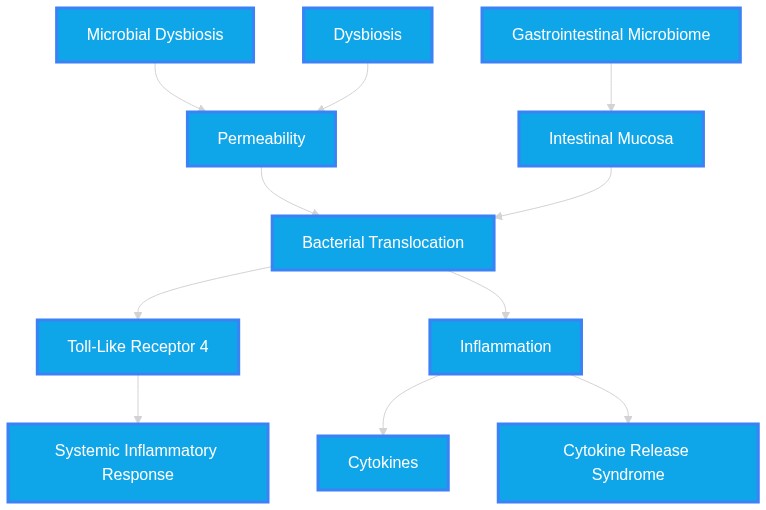
"Dysbiosis can compromise the integrity of the intestinal barrier, increasing permeability and the translocation of pathogen-associated molecular patterns (PAMPs), such as lipopolysaccharides (LPS), thereby releasing inflammatory cytokines, including IL-6 and TNF-α."
VERIFIED VERBATIM (PMID: 42488422)
"Probiotic supplementation also restored gut microbiota diversity, reduced pro-inflammatory cytokines, and enhanced anti-inflammatory responses."
VERIFIED VERBATIM (PMID: 42478338)
"NMN supplementation attenuated AFB1-induced liver injury, inflammation and oxidative stress, while restoring intestinal barrier integrity and reducing hepatic bile acids accumulation."
VERIFIED VERBATIM (PMID: 42477751)
"Mechanistically, the combination enhanced the intestinal barrier by upregulating the tight junction protein zona occludens-1 (ZO-1), reducing the levels of tumor necrosis factor-α (TNF-α) and interleukin-6 (IL-6), and increasing the levels of interleukin-10 (IL-10) by inhibiting nuclear factor-kappa B (NF-κB) activation."
VERIFIED VERBATIM (PMID: 42486578)
"This chapter explores the significant role of oral microbiome dysbiosis in oral squamous cell carcinoma (OSCC) pathogenesis, highlighting mechanisms such as chronic inflammation via NF-κB activation by Porphyromonas gingivalis and Fusobacterium nucleatum"
VERIFIED VERBATIM (PMID: 42484668)
"MDN correlated with restoration of colonic tight junction protein expression, reduced myocardial NLRP3 inflammasome activation, and decreased systemic inflammation (LPS, TNF-α, IL-6)."
VERIFIED VERBATIM (PMID: 42474008)
"Bile acids, Short-Chain Fatty Acids (SCFAs), and trimethylamine-N-oxide (TMAO) are examples of gut-derived metabolites that majorly impact inflammation, endothelial dysfunction, and plaque formation."
VERIFIED VERBATIM (PMID: 42480452)
"Notably, oral IPA supplementation rescued behavioral deficits and attenuated gut-brain inflammatory alterations, restoring intestinal aryl hydrocarbon receptor (AhR) nuclear translocation, reducing LPS and cytokine levels, and ameliorating hippocampal inflammatory phenotypes."
VERIFIED VERBATIM (PMID: 42476444)
"Our results indicate that sublethal exposure to a VX disrupts the HPA axis and the intestinal homeostasis as evidenced by local inflammation, structural changes and gut microbiota shifts."
VERIFIED VERBATIM (PMID: 42472494)
"After S. aureus challenge, peritoneal macrophages from mSEB mice showed lower pro-inflammatory TNF-α, IL-6 and IL-1β transcripts, consistent with attenuated systemic inflammation."
VERIFIED VERBATIM (PMID: 42474276)
"Oral βG@Apr-WPG NMs administration outperformed free apremilast by restoring gut barrier integrity, reducing histopathological damage, and modulating microbial dysbiosis. Systemic inflammation and neuroinflammation were markedly suppressed."
VERIFIED VERBATIM (PMID: 42482368)
"L. casei markedly increased O-GlcNAcylation of key immune signaling proteins, such as STAB1, by downregulating O-GlcNAcase (OGA) activity. Importantly, L. casei also modulated histone deacetylase (HDAC) expression and inhibited NF-κB pathway activation"
VERIFIED VERBATIM (PMID: 42480345)
"The upregulation of ileal TLR4 and TLR5 in feral chickens correlated with Gram-negative and flagellated Proteobacteria, respectively."
VERIFIED VERBATIM (PMID: 42474292)
"Furthermore, riboflavin catabolites have recently been shown to inhibit host mucosal-associated invariant T (MAIT) cell activation, suggesting an additional mechanism by which commensal Lachnospiraceae may dampen inflammation."
VERIFIED VERBATIM (PMID: 42461462)
"We hypothesize that the intestine acts as an initial defense barrier against PAT, but with prolonged exposure, disruption of the gut microbiota impairs this detoxification process. Consequently, excess unmetabolized PAT enters the liver via enterohepatic circulation, triggering hepatic inflammation and oxidative damage."
VERIFIED VERBATIM (PMID: 42488663)
"Available evidence is synthesized to clarify how gut microbiota dysbiosis and its metabolites contribute to systemic inflammation and disrupt joint homeostasis through specific pathways, such as the GUDCA-FXR-GLP-1 axis."
VERIFIED VERBATIM (PMID: 42488628)
"These processes may activate Toll-like receptor, NF-κB, NLRP3 inflammasome, aryl hydrocarbon receptor and JAK/STAT pathways, thereby reshaping macrophage polarisation, Th17/Treg balance"
VERIFIED VERBATIM (PMID: 42488628)
"Gut dysbiosis can impair intestinal barrier integrity, facilitate systemic exposure to microbial products such as lipopolysaccharide, disturb short-chain fatty acbile acand tryptophan-derived metabolite profiles, and alter enteroendocrine and immune signalling."
VERIFIED VERBATIM (PMID: 42488571)
"Dysbiosis can compromise the integrity of the intestinal barrier, increasing permeability and the translocation of pathogen-associated molecular patterns (PAMPs), such as lipopolysaccharides (LPS), thereby releasing inflammatory cytokines, including IL-6 and TNF-α."
VERIFIED VERBATIM (PMID: 42488422)
"Probiotic supplementation also restored gut microbiota diversity, reduced pro-inflammatory cytokines, and enhanced anti-inflammatory responses."
VERIFIED VERBATIM (PMID: 42478338)
"NMN supplementation attenuated AFB1-induced liver injury, inflammation and oxidative stress, while restoring intestinal barrier integrity and reducing hepatic bile acids accumulation."
VERIFIED VERBATIM (PMID: 42477751)
"Mechanistically, the combination enhanced the intestinal barrier by upregulating the tight junction protein zona occludens-1 (ZO-1), reducing the levels of tumor necrosis factor-α (TNF-α) and interleukin-6 (IL-6), and increasing the levels of interleukin-10 (IL-10) by inhibiting nuclear factor-kappa B (NF-κB) activation."
VERIFIED VERBATIM (PMID: 42486578)
"This chapter explores the significant role of oral microbiome dysbiosis in oral squamous cell carcinoma (OSCC) pathogenesis, highlighting mechanisms such as chronic inflammation via NF-κB activation by Porphyromonas gingivalis and Fusobacterium nucleatum"
VERIFIED VERBATIM (PMID: 42484668)
"MDN correlated with restoration of colonic tight junction protein expression, reduced myocardial NLRP3 inflammasome activation, and decreased systemic inflammation (LPS, TNF-α, IL-6)."
VERIFIED VERBATIM (PMID: 42474008)
"Bile acids, Short-Chain Fatty Acids (SCFAs), and trimethylamine-N-oxide (TMAO) are examples of gut-derived metabolites that majorly impact inflammation, endothelial dysfunction, and plaque formation."
VERIFIED VERBATIM (PMID: 42480452)
"Notably, oral IPA supplementation rescued behavioral deficits and attenuated gut-brain inflammatory alterations, restoring intestinal aryl hydrocarbon receptor (AhR) nuclear translocation, reducing LPS and cytokine levels, and ameliorating hippocampal inflammatory phenotypes."
VERIFIED VERBATIM (PMID: 42476444)
"Our results indicate that sublethal exposure to a VX disrupts the HPA axis and the intestinal homeostasis as evidenced by local inflammation, structural changes and gut microbiota shifts."
VERIFIED VERBATIM (PMID: 42472494)
"After S. aureus challenge, peritoneal macrophages from mSEB mice showed lower pro-inflammatory TNF-α, IL-6 and IL-1β transcripts, consistent with attenuated systemic inflammation."
VERIFIED VERBATIM (PMID: 42482368)
"L. casei markedly increased O-GlcNAcylation of key immune signaling proteins, such as STAB1, by downregulating O-GlcNAcase (OGA) activity. Importantly, L. casei also modulated histone deacetylase (HDAC) expression and inhibited NF-κB pathway activation"
VERIFIED VERBATIM (PMID: 42480345)
"The upregulation of ileal TLR4 and TLR5 in feral chickens correlated with Gram-negative and flagellated Proteobacteria, respectively."
VERIFIED VERBATIM (PMID: 42474292)
"Furthermore, riboflavin catabolites have recently been shown to inhibit host mucosal-associated invariant T (MAIT) cell activation, suggesting an additional mechanism by which commensal Lachnospiraceae may dampen inflammation."
VERIFIED VERBATIM (PMID: 42461462)
"We hypothesize that the intestine acts as an initial defense barrier against PAT, but with prolonged exposure, disruption of the gut microbiota impairs this detoxification process. Consequently, excess unmetabolized PAT enters the liver via enterohepatic circulation, triggering hepatic inflammation and oxidative damage."
VERIFIED VERBATIM (PMID: 42476998)
"Here, we screened 35 lactic acbacteria and identified Lactobacillus fermentum 2-14 as the most effective strain in restoring Caco-2 cell viability and reducing LDH cytotoxicity under MGO challenge."
VERIFIED VERBATIM (PMID: 42471164)
"Mechanistically, LP15-1 reduced the concentrations of pro-inflammatory cytokines, including interleukin-6 (IL-6), tumor necrosis factor-alpha (TNF-α), interleukin-17 (IL-17), and interleukin-1 beta (IL-1β), in both serum and ileal tissue."
VERIFIED VERBATIM (PMID: 42488663)
"Available evidence is synthesized to clarify how gut microbiota dysbiosis and its metabolites contribute to systemic inflammation and disrupt joint homeostasis through specific pathways, such as the GUDCA-FXR-GLP-1 axis."
VERIFIED VERBATIM (PMID: 42488628)
"These processes may activate Toll-like receptor, NF-κB, NLRP3 inflammasome, aryl hydrocarbon receptor and JAK/STAT pathways, thereby reshaping macrophage polarisation, Th17/Treg balance"
VERIFIED VERBATIM (PMID: 42488628)
"Gut dysbiosis can impair intestinal barrier integrity, facilitate systemic exposure to microbial products such as lipopolysaccharide, disturb short-chain fatty acbile acand tryptophan-derived metabolite profiles, and alter enteroendocrine and immune signalling."
VERIFIED VERBATIM (PMID: 42488571)
"Dysbiosis can compromise the integrity of the intestinal barrier, increasing permeability and the translocation of pathogen-associated molecular patterns (PAMPs), such as lipopolysaccharides (LPS), thereby releasing inflammatory cytokines, including IL-6 and TNF-α."
VERIFIED VERBATIM (PMID: 42488422)
"Probiotic supplementation also restored gut microbiota diversity, reduced pro-inflammatory cytokines, and enhanced anti-inflammatory responses."
VERIFIED VERBATIM (PMID: 42478338)
"NMN supplementation attenuated AFB1-induced liver injury, inflammation and oxidative stress, while restoring intestinal barrier integrity and reducing hepatic bile acids accumulation."
VERIFIED VERBATIM (PMID: 42477751)
"Mechanistically, the combination enhanced the intestinal barrier by upregulating the tight junction protein zona occludens-1 (ZO-1), reducing the levels of tumor necrosis factor-α (TNF-α) and interleukin-6 (IL-6), and increasing the levels of interleukin-10 (IL-10) by inhibiting nuclear factor-kappa B (NF-κB) activation."
VERIFIED VERBATIM (PMID: 42486578)
"This chapter explores the significant role of oral microbiome dysbiosis in oral squamous cell carcinoma (OSCC) pathogenesis, highlighting mechanisms such as chronic inflammation via NF-κB activation by Porphyromonas gingivalis and Fusobacterium nucleatum"
VERIFIED VERBATIM (PMID: 42484668)
"MDN correlated with restoration of colonic tight junction protein expression, reduced myocardial NLRP3 inflammasome activation, and decreased systemic inflammation (LPS, TNF-α, IL-6)."
VERIFIED VERBATIM (PMID: 42474008)
"Bile acids, Short-Chain Fatty Acids (SCFAs), and trimethylamine-N-oxide (TMAO) are examples of gut-derived metabolites that majorly impact inflammation, endothelial dysfunction, and plaque formation."
VERIFIED VERBATIM (PMID: 42480452)
"Notably, oral IPA supplementation rescued behavioral deficits and attenuated gut-brain inflammatory alterations, restoring intestinal aryl hydrocarbon receptor (AhR) nuclear translocation, reducing LPS and cytokine levels, and ameliorating hippocampal inflammatory phenotypes."
VERIFIED VERBATIM (PMID: 42476444)
"Our results indicate that sublethal exposure to a VX disrupts the HPA axis and the intestinal homeostasis as evidenced by local inflammation, structural changes and gut microbiota shifts."
VERIFIED VERBATIM (PMID: 42472494)
"After S. aureus challenge, peritoneal macrophages from mSEB mice showed lower pro-inflammatory TNF-α, IL-6 and IL-1β transcripts, consistent with attenuated systemic inflammation."
VERIFIED VERBATIM (PMID: 42482368)
"L. casei markedly increased O-GlcNAcylation of key immune signaling proteins, such as STAB1, by downregulating O-GlcNAcase (OGA) activity. Importantly, L. casei also modulated histone deacetylase (HDAC) expression and inhibited NF-κB pathway activation"
VERIFIED VERBATIM (PMID: 42480345)
"The upregulation of ileal TLR4 and TLR5 in feral chickens correlated with Gram-negative and flagellated Proteobacteria, respectively."
VERIFIED VERBATIM (PMID: 42474292)
"Furthermore, riboflavin catabolites have recently been shown to inhibit host mucosal-associated invariant T (MAIT) cell activation, suggesting an additional mechanism by which commensal Lachnospiraceae may dampen inflammation."
VERIFIED VERBATIM (PMID: 42461462)
"We hypothesize that the intestine acts as an initial defense barrier against PAT, but with prolonged exposure, disruption of the gut microbiota impairs this detoxification process. Consequently, excess unmetabolized PAT enters the liver via enterohepatic circulation, triggering hepatic inflammation and oxidative damage."
VERIFIED VERBATIM (PMID: 42476998)
"Here, we screened 35 lactic acbacteria and identified Lactobacillus fermentum 2-14 as the most effective strain in restoring Caco-2 cell viability and reducing LDH cytotoxicity under MGO challenge."
VERIFIED VERBATIM (PMID: 42471164)
"Mechanistically, LP15-1 reduced the concentrations of pro-inflammatory cytokines, including interleukin-6 (IL-6), tumor necrosis factor-alpha (TNF-α), interleukin-17 (IL-17), and interleukin-1 beta (IL-1β), in both serum and ileal tissue."
VERIFIED VERBATIM (PMID: 42464327)
"They also inhibited cell migration, accompanied by suppression of inflammatory signaling pathways including IL-6, IL-1β, NF-κB, and HIF-1α."
VERIFIED VERBATIM (PMID: 42489692)
"Curcumin inhibited LPS- and Salmonella-induced NF-κB activation in J774-Dual/RAW264.7 macrophages, decreased IL-1β, IL-6 and TNF-α, increased IL-10, and reduced lactate dehydrogenase release by over 35%."
VERIFIED VERBATIM (PMID: 42489221)
"BEVs from patients, but not from healthy individuals, significantly changed cytokine levels in U937 monocyte cells."
VERIFIED VERBATIM (PMID: 42488663)
"Bacterial extracellular vesicles are further highlighted as essential nanoscale messengers facilitating communication between the gut and joints."
VERIFIED VERBATIM (PMID: 42488628)
"Gut dysbiosis can impair intestinal barrier integrity, facilitate systemic exposure to microbial products such as lipopolysaccharide, disturb short-chain fatty acbile acand tryptophan-derived metabolite profiles, and alter enteroendocrine and immune signalling."
VERIFIED VERBATIM (PMID: 42488422)
"Probiotic supplementation also restored gut microbiota diversity, reduced pro-inflammatory cytokines, and enhanced anti-inflammatory responses."
VERIFIED VERBATIM (PMID: 42488218)
"BSO also attenuated liver injury, hepatic steatosis, inflammation."
VERIFIED VERBATIM (PMID: 42487937)
"MMGAP alleviates LFJ OA through gut microbiota reshaping, serum metabolomic reprogramming, and mTORC1 pathway inhibition."
VERIFIED VERBATIM (PMID: 42487140)
"YFB administration dose-dependently improved disease activity index, colon shortening, and histopathology in colitis mice."
VERIFIED VERBATIM (PMID: 42486639)
"DHT exerts its anti-atherosclerotic effects by simultaneously improving lipmetabolism, inhibiting NLRP3 inflammasome activation, and restoring gut microbial homeostasis."
VERIFIED VERBATIM (PMID: 42484923)
"FUT2 is an important node connecting host glycosylation, microbial ecology and intestinal immune homeostasis, but its value as a direct therapeutic or biomarker target in IBD remains exploratory."
VERIFIED VERBATIM (PMID: 42484668)
"MDN improves cardiac function in MI-induced CHF, alongside inhibition of mesenteric sympathetic activity, restoration of intestinal barrier function, reduction of inflammation, and modulation of gut microbiota and metabolic profiles."
VERIFIED VERBATIM (PMID: 42483178)
"Sarcandra glabra exhibits multiple pharmacological activities relevant to digestive system diseases, including anti-inflammatory, antibacterial, gastroprotective, and immunomodulatory effects."
VERIFIED VERBATIM (PMID: 42482584)
"Its mechanism may be associated with regulating gut microbiota diversity, optimizing microbiota structure, reducing inflammatory factor levels, and improving neurotransmitter metabolism."
VERIFIED VERBATIM (PMID: 42482368)
"L. casei markedly increased O-GlcNAcylation of key immune signaling proteins, such as STAB1, by downregulating O-GlcNAcase (OGA) activity."
VERIFIED VERBATIM (PMID: 42489692)
"Curcumin inhibited LPS- and Salmonella-induced NF-κB activation in J774-Dual/RAW264.7 macrophages, decreased IL-1β, IL-6 and TNF-α, increased IL-10, and reduced lactate dehydrogenase release by over 35%."
VERIFIED VERBATIM (PMID: 42489221)
"BEVs from patients, but not from healthy individuals, significantly changed cytokine levels in U937 monocyte cells."
VERIFIED VERBATIM (PMID: 42488663)
"Bacterial extracellular vesicles are further highlighted as essential nanoscale messengers facilitating communication between the gut and joints."
VERIFIED VERBATIM (PMID: 42488628)
"Gut dysbiosis can impair intestinal barrier integrity, facilitate systemic exposure to microbial products such as lipopolysaccharide, disturb short-chain fatty acbile acand tryptophan-derived metabolite profiles, and alter enteroendocrine and immune signalling."
VERIFIED VERBATIM (PMID: 42488422)
"Probiotic supplementation also restored gut microbiota diversity, reduced pro-inflammatory cytokines, and enhanced anti-inflammatory responses."
VERIFIED VERBATIM (PMID: 42488218)
"BSO also attenuated liver injury, hepatic steatosis, inflammation."
VERIFIED VERBATIM (PMID: 42487937)
"MMGAP alleviates LFJ OA through gut microbiota reshaping, serum metabolomic reprogramming, and mTORC1 pathway inhibition."
VERIFIED VERBATIM (PMID: 42487140)
"YFB administration dose-dependently improved disease activity index, colon shortening, and histopathology in colitis mice."
VERIFIED VERBATIM (PMID: 42486639)
"DHT exerts its anti-atherosclerotic effects by simultaneously improving lipmetabolism, inhibiting NLRP3 inflammasome activation, and restoring gut microbial homeostasis."
VERIFIED VERBATIM (PMID: 42484923)
"FUT2 is an important node connecting host glycosylation, microbial ecology and intestinal immune homeostasis, but its value as a direct therapeutic or biomarker target in IBD remains exploratory."
VERIFIED VERBATIM (PMID: 42484668)
"MDN improves cardiac function in MI-induced CHF, alongside inhibition of mesenteric sympathetic activity, restoration of intestinal barrier function, reduction of inflammation, and modulation of gut microbiota and metabolic profiles."
VERIFIED VERBATIM (PMID: 42483178)
"Sarcandra glabra exhibits multiple pharmacological activities relevant to digestive system diseases, including anti-inflammatory, antibacterial, gastroprotective, and immunomodulatory effects."
VERIFIED VERBATIM (PMID: 42482584)
"Its mechanism may be associated with regulating gut microbiota diversity, optimizing microbiota structure, reducing inflammatory factor levels, and improving neurotransmitter metabolism."
VERIFIED VERBATIM (PMID: 42482368)
"L. casei markedly increased O-GlcNAcylation of key immune signaling proteins, such as STAB1, by downregulating O-GlcNAcase (OGA) activity."
VERIFIED VERBATIM (PMID: 42481656)
"It has been suggested that a disturbed bile acprofile in inflammatory bowel disease (IBD) might lead to inflammation via reduced activation of TGR5."
VERIFIED VERBATIM (PMID: 42481422)
"Compared with controls (n=712), participants with SHOA (n=52) exhibited significantly lower oral microbial richness (p=0.007) and altered composition (p=0.007)."
VERIFIED VERBATIM (PMID: 42480795)
"FMT alleviates IBS-C partly through Mertk-dependent immune regulation and AKT-GSK3β activation."
VERIFIED VERBATIM (PMID: 42480691)
"The protective effect of multi-strain probiotics on OVA-inhaled mice is correlated with the activation of bitter taste transduction, as well as the regulation of immune balance and inflammatory responses."
VERIFIED VERBATIM (PMID: 42479266)
"Probiotic supplementation during nutritional rehabilitation significantly improved body weight gain, restored protein and albumin levels, normalized alkaline phosphatase activity, and reduced inflammatory and hepatic injury markers compared with dietary rehabilitation alone."
VERIFIED VERBATIM (PMID: 42478557)
"In contrast, EEN mice treated with TGF-β formula presented faster weight recovery and decreased inflammatory parameters, with a normalized intestinal permeability, suggesting gut restitution and functionality."
Chapter 8
Abstract Repository
Raw text abstracts programmatically cached during the evaluation phase. Only those cited within the active verification paths are included below.
PMID: 42391938
Mapped to Reference [1]
ID: 42391938
Title: From composition to function: Translating porcine gut microbiota research into strategies for improving intestinal health.
Abstract: The gut microbiota plays a pivotal role in regulating host physiology, metabolism, and overall health. The diverse geographical landscape of China has contributed to the development of rich indigenous pig genetic resources, which exhibit stronger disease resistance than commercial breeds, largely attributed to the composition of their gut microbiota. Given the substantial anatomical and physiological similarities between pigs and humans concerning intestinal structure, and the fact that human-derived microorganisms can effectively colonize the porcine gut, pigs serve as excellent models for intestinal diseases. This review summarizes the geographical and spatial ecological niches of gut microbiota in Chinese indigenous pig breeds, the influences of age and environment on microbial composition, and the beneficial roles of certain microbial taxa from these local breeds in preventing intestinal disorders, including diarrhea associated with impaired intestinal barrier function, pathogen-induced diarrhea, porcine epidemic diarrhea virus infection, intestinal inflammation models, human rotavirus infection, and necrotizing enterocolitis. Their gut microbiota is characterized by the enrichment of Akkermansia, Lactobacillus, Prevotella, Bacillus, Bifidobacterium, Faecalibacterium, and Bacteroides, which have been implicated in maintaining intestinal barrier integrity and reducing inflammatory cytokine levels during pathogen-induced intestinal inflammation. In the context of gastrointestinal disease prevention and treatment, strategies have largely centered on fecal microbiota transplantation, fecal suspension transplantation, or supplementation with single bacterial strains. However, research on multi-strain combinatorial therapeutics remains limited. Future studies should expand to underexplored indigenous breeds and prioritize the development of composite microbial consortia informed by existing findings.
PMID: 42443904
Mapped to Reference [16]
ID: 42443904
Title: Protective role of lactate in allergic airway inflammation: mitigation of inflammatory injury, epithelial barrier integrity restoration, and gut-lung axis involvement.
Abstract: Allergic asthma is a prevalent respiratory disorder characterized by chronic airway inflammation and remodeling. Glycolysis has been reported to participate in pathogenesis of allergic asthma and increased lactate levels were found in asthma patients and mouse models. However, the function of lactate in allergic asthma remains unclear. A mouse model of HDM induced allergic airway inflammation was established. Six age- and weight-matched female mice were assigned to different groups using a randomized double-blind method. A panel of indicators such as serum IgE, infiltration cell numbers, Th2 cytokines levels and eosinophil extracellular traps (EETs) were applied to assess airway inflammation. Airway epithelial barrier function was measured by Western blot and immunofluorescent staining. RNAseq analysis of lung tissues was applied to elucidate potential mechanisms, and 16S rRNA gene sequencing of fecal samples was used for gut microbiota analysis. Administration of lactate could significantly ameliorate allergic airway inflammation including Th2 cytokines, inflammatory cell infiltration, histopathological morphological changes together with eosinophil extracellular traps (EETs) formation in a mouse model of asthma. Moreover, RNAseq analysis revealed that lactate decreased proinflammtory cytokine and chemokine related pathways such as MAPK, STAT1, STAT3 and NF-κB to exert immunoregulatory effects. In addition, we found that lactate dramatically inhibited airway epithelial barrier dysfunction and pulmonary apoptosis. Furthermore, 16S rRNA gene sequencing of fecal samples suggested that lactate treatment increased abundance of Lactobacillus, Limosilactobacillus and Bacteroides, showing a shift towards a healthier state in HDM-induced asthmatic mice. Our study integrating transcriptomic and microbiome analyses, revealed a protective effect of lactate on allergic airway inflammation, providing a basis for development of novel therapeutic treatment for allergic asthma.
PMID: 42444969
Mapped to Reference [11]
ID: 42444969
Title: Exercise-induced gut microbiota metabolites and the gut-lung axis: implications for chronic obstructive pulmonary disease.
Abstract: Chronic obstructive pulmonary disease (COPD) is increasingly recognised as a systemic disorder associated with gut dysbiosis and impaired gutlung communication. COPD-associated gut dysbiosis suggests potential bidirectional interactions between the gut and lung, which may be mediated by circulating immune cells, gut microbiota-derived metabolites and systemic inflammatory mediators. Emerging evidence suggests that exercise may improve COPD-related symptoms and quality of life not only through direct cardiopulmonary adaptations but also by reshaping gut microbiota composition and metabolic function. Microbiota-derived metabolites, including short-chain fatty acids (SCFAs), secondary bile acids (SBAs) and indole derivatives, may act as key mediators linking exercise-induced microbial changes to pulmonary immune regulation, inflammatory signalling, oxidative stress and epithelial barrier integrity. However, current evidence remains fragmented, and the mechanisms by which exercise-responsive microbial metabolites influence COPD-related pulmonary inflammation, barrier dysfunction and immune homeostasis have not been fully clarified. This review synthesises evidence from human studies, animal models and mechanistic investigations to clarify the relationship among exercise, gut microbiota and COPD, with a focus on how exercise-responsive microbial metabolites may contribute to improved pulmonary health. By integrating current evidence within an exercise-gut-lung axis framework, this review provides a mechanistic basis for developing microbiota-targeted exercise strategies for COPD prevention and management.
PMID: 42454784
Mapped to Reference [7]
ID: 42454784
Title: Dietary intervention through bacterial-derived butyrate elicits anti-tumor activity and increases anti-PD-1 response.
Abstract: The gut microbiome is increasingly recognized as a key modulator of cancer immunotherapy efficacy. Given that diet is one of the most important determinants of the gut microbiome composition and function, nutritional strategies have emerged as promising tools to modulate anti-tumor immune responses. Here, we demonstrate that dietary supplementation with inulin reduces tumor growth and enhances αPD-1 efficacy in mice. These effects were associated with increased frequencies of intra-tumoral CD8⁺ and CD4⁺ T cells, particularly CCR9⁺CXCR3⁺ subsets, and enrichment of beneficial taxa such as Akkermansia and Lachnospiraceae, alongside elevated short-chain fatty acids (SCFA) levels. Among the SCFA, butyrate alone recapitulated the anti-tumor effect of inulin and had an additive effect when combined with αPD-1 therapy in a CD8⁺ T cell-dependent manner. Butyrate exerted its anti-tumor effects by transcriptional changes in CD8⁺ T cells involving activation of proliferation, trafficking, and metabolic pathways. In a cohort of 117 non-small cell lung cancer (NSCLC) patients amenable to immunotherapy, the median dietary fiber intake was lower than previously published studies but correlated with enrichment of Faecalibacterium praunitzii and metabolic pathways related to sucrose degradation and tryptophan biosynthesis. Collectively, our findings highlight the therapeutic potential of targeting diet-microbiome-immune system interactions to improve cancer immunotherapy outcomes.
PMID: 42455659
Mapped to Reference [5]
ID: 42455659
Title: Bursa of Fabricius-independent B cells establish an IgA-mediated intestinal barrier that safeguards gut-liver homeostasis.
Abstract: The bursa of Fabricius (BF), a specialized lymphoid structure in birds, regulates avian B-cell development. However, the BF starts to regress posthatching, suggesting that as-yet-unidentified structures assume this function during maturation. This study reveals that BF-independent B-cell genesis involving the gut cecal tonsils (CTs) predominates over the BF-dependent pathway posthatching. Although B-cell progenitors originating from the bone marrow (BM) typically migrate to the BF, we identified a population that instead migrates to the CTs through CXCL12/CXCR4-mediated chemotaxis. These BF-independent CXCR4+ pre-B cells acquired surface IgM expression within the CT follicular region (FR) and differentiated into immunoglobulin A (IgA)-producing plasma cells. Inhibition of CXCR4+ cell influx from the BM impaired formation of the FR, altered the responsiveness of intestinal IgA to commensal bacteria, promoted gut dysbiosis, allowed translocation of pathogenic bacteria (e.g., Streptococcus alactolyticus) to the liver, and ultimately caused hepatic inflammation and metabolic dysfunction. These abnormalities were reversed by administering an IgA-enriched fecal preparation derived from healthy chickens. Collectively, these results reveal the existence of a population of BF-independent B cells that function in CTs. These cells represent a promising target for maintaining and improving the immunological and microbiological environment of the avian intestinal tract, which is closely linked to hepatic homeostasis.
PMID: 42461462
Mapped to Reference [36]
ID: 42461462
Title: Investigation on Patulin biotransformation in Zebrafish and its toxicological function evaluation.
Abstract: Patulin (PAT) is a mycotoxin that poses a significant health risk to both humans and animals. However, knowledge regarding its in vivo biotransformation and toxicological effects remains limited. In this study, zebrafish were exposed to a lethal dose of PAT for 24 h. Metabolite profiles in the intestine and liver were analyzed using UHPLC-Q-Orbitrap-HRMS, and toxicological effects were evaluated via histopathological examination, oxidative stress assays, RT-qPCR of target genes, and 16 S rRNA sequencing of the gut microbiota. The key results are as follows: (1) In addition to forming PAT-GSH adducts in the liver, zebrafish can metabolize PAT into ascladiol and hydroascladiol in the intestine, with distinct tissue-specific distribution. The gut bacterium Lactobacillus may play a crucial role in this conversion process. (2) Quantitative analysis revealed that the levels of ascladiol and hydroascladiol peaked during the initial exposure stage and then declined sharply, followed by a rapid increase in PAT-GSH adduct accumulation. (3) PAT exposure also induced tissue inflammation, oxidative stress, upregulation of pro-inflammatory factors, and gut microbiota dysbiosis. Importantly, the severity of adverse effects in the intestine and liver was directly correlated with both the distribution of non-toxic metabolites (ascladiol and hydroascladiol) and the accumulation of PAT-GSH adducts. We hypothesize that the intestine acts as an initial defense barrier against PAT, but with prolonged exposure, disruption of the gut microbiota impairs this detoxification process. Consequently, excess unmetabolized PAT enters the liver via enterohepatic circulation, triggering hepatic inflammation and oxidative damage. These findings provide new insights into the in vivo modulation of PAT toxicity.
PMID: 42461923
Mapped to Reference [18]
ID: 42461923
Title: Postbiotic effects of Enterococcus faecium JB00008 on gut health and IBD vaccination in broiler chickens.
Abstract: Feeding various probiotic lactic acid bacteria, including Enterococcus faecium, can alleviate intestinal inflammation and improve gut health in animals. Recently, postbiotics-non-living preparations derived from microbial cells or their metabolites-have gained attention. However, studies on the effects of these postbiotics on immune markers and changes in the gut microbiota of chickens are limited. In this study, we evaluated the effects of the probiotic strain E. faecium JB00008 on the chicken intestinal tract and characterized immune markers and gut microbiota following viral vaccination. Chicks were divided into three groups (Control, DH5α, and JB00008) and administered the respective supernatants in drinking water from days 1-12 at a 3:7 ratio. Samples were collected on days 13 and 28 for microbiota and gene expression analyses. To immunize against infectious bursal disease (IBD), the chicks received an oral vaccine on day 13. Growth, immune, and gut parameters were measured. Body weights did not differ among groups (p = 0.380). Several intestinal immune markers-mucin 2 (MUC2, p = 0.001), occludin (OCLN, p < 0.001), and interleukin-10 (IL-10, p < 0.001)-were significantly higher in the JB00008 group. Annexin A5 (ANXA5, p = 0.005) and interleukin-6 (IL-6, p < 0.001) also differed among groups. After IBD vaccination, IBD-specific immunoglobulin A (IgA, p = 0.200) and IgG (p = 0.065) responses were comparable; however, the alpha (p < 0.001) and beta diversities (p = 0.001) were significantly different among the groups. The JB00008 group showed higher Enterococcus and Bifidobacterium, with enrichment of pathways associated with iron complex transport systems (p < 0.050). These findings suggest that JB00008 postbiotics may enhance intestinal barrier function and microbiota health without affecting growth, thereby supporting gut stability after vaccination. Furthermore, these results highlight the potential use of E. faecium JB00008 as a feed additive and vaccine adjuvant.
PMID: 42464117
Mapped to Reference [8]
ID: 42464117
Title: From signals to systems: the epigenetic-microbiome-mitochondrial axis in IBD pathogenesis.
Abstract: Inflammatory bowel disease (IBD), including Crohn's disease and ulcerative colitis, is increasingly recognized not merely as an immune-mediated disorder, but as a systems-level condition arising from dynamic interactions among host genetics, environmental exposures, the gut microbiome, and epigenetic regulation. While genetic susceptibility confers risk, accumulating evidence indicates that epigenetic mechanisms act as molecular integrators that translate environmental and microbial signals into sustained transcriptional programs governing immune tolerance, epithelial integrity and tissue repair. Concurrently, intestinal dysbiosis, characterized by loss of short-chain fatty acid-producing commensals and expansion of pro-inflammatory taxa, reshapes host metabolism and chromatin states through microbial-derived metabolites including short-chain fatty acids, secondary bile acids, and tryptophan catabolites. These metabolites affect epigenetic enzymes and modulate the epigenetic chromatin landscape as well as mitochondrial bioenergetics, linking microbial ecology to inflammatory gene regulation. In turn, epigenetic alterations in epithelial and immune compartments influence antimicrobial defense, barrier function, and cytokine networks, thereby sculpting microbial community organization. This bidirectional microbiome-epigenome dialogue creates self-reinforcing circuits that can either sustain mucosal homeostasis or drive chronic inflammation and colitis-associated tumorigenesis. In this review, we synthesize emerging insights into the microbiome-epigenome-mitochondrial axis in IBD and propose a conceptual framework in which metabolic, microbial, and genome-mediated signals converge to determine disease trajectory. We discuss how this integrative perspective may assist biomarker discovery and therapeutic innovation, including epigenetic modulators and microbiota-targeted interventions. Understanding IBD as a dynamically regulated host-microbe ecosystem may accelerate the development of precision strategies aimed at restoring resilient mucosal equilibrium.
PMID: 42464327
Mapped to Reference [38]
ID: 42464327
Title: Microbiota-derived metabolite landscapes modulate Fusobacterium fitness and colorectal cancer cell behaviour.
Abstract: Gut microbiota dysbiosis is increasingly viewed as a disruption of microbial metabolic functions rather than only a shift in microbial composition. Microbiota-derived metabolites not only shape microbial ecology but also directly influence surrounding host tissues by modulating epithelial cell signaling, inflammation, and tumor-associated processes. Among dysbiosis-associated microbes, Fusobacterium is consistently enriched in colorectal cancer (CRC) and contributes to tumor progression, yet the ecological factors regulating its expansion and interaction with host tissues remain unclear. Here, we investigated how microbiome-derived metabolite environments associated with healthy and dysbiotic microbial communities influence Fusobacterium fitness and colorectal epithelial cell behavior. CRC-associated dysbiosis was generated using an orthotopic murine CRC model combined with antibiotic-induced microbiota perturbation. Gut microbial communities were profiled using 16 S rRNA gene sequencing. Metabolite-enriched supernatants derived from healthy gut microbiota, oral microbiota, dysbiotic microbiota and probiotic cultures were evaluated for their effects on CRC-associated bacteria and Fusobacterium sp. growth, adhesion and invasion. These metabolite supernatants were applied to colorectal cancer cells and their effects on viability (MTT assay), migration (scratch assay), apoptosis (Annexin V-FITC flow cytometry), and inflammatory signaling (Western blot analysis of inflammatory markers) were evaluated. CRC-associated dysbiosis showed reduced microbial diversity with enrichment of opportunistic taxa including Fusobacterium and depletion of beneficial commensals such as Lactobacillus and Bifidobacterium. Metabolite-enriched supernatants from healthy gut and oral microbiota suppressed Fusobacterium growth by 55-65% and reduced bacterial adhesion and invasion in epithelial cells. In epithelial models, these metabolite environments reduced CRC viability to 60% of untreated control, with comparatively smaller effects observed in non-cancerous epithelial cells. They also inhibited cell migration, accompanied by suppression of inflammatory signaling pathways including IL-6, IL-1β, NF-κB, and HIF-1α. In contrast, conditioned media from dysbiotic cancer-microbiota interactions increased tumor cell viability to 120-140% of controls. These findings suggest an association between microbiota-derived metabolite landscapes, pathobiont fitness and epithelial responses under CRC-associated dysbiosis.
PMID: 42465747
Mapped to Reference [19]
ID: 42465747
Title: The microbiome protects against septic hyperinflammation and bacterial proliferation in a zebrafish model of blood infection with Escherichia coli and mycobacteria.
Abstract: The microbiome is an important immune regulator, but the mechanisms by which commensal microbes shape systemic host defense during bloodstream infection remain poorly defined and commonly used pre-clinical models have practical, ethical and scientific limitations. Here, we establish a gnotobiotic zebrafish larval model to investigate microbiome-dependent protection against systemic blood infection by Escherichia coli (E. coli) bacteria, an important cause of early onset neonatal sepsis. We also use nontuberculous mycobacteria to infect zebrafish larvae to investigate the contribution of Toll-like receptor 2 (TLR2) in the defense responses. Germ-free (GF) and conventionalized (CONVD) larvae derived from the same clutches were systemically infected with E. coli, revealing that microbiome colonization significantly reduces early mortality. RNAseq revealed a conserved core immune activation program in both GF and CONVD larvae, but the absence of a microbiome was associated with a broader transcriptional response and stronger repression of metabolic pathways, suggesting that commensal microbes buffer infection-induced metabolic suppression. Extending this framework to nontuberculous mycobacteria, we performed systemic infections with fluorescent Mycobacterium marinum and M. avium in tlr2 wild-type and mutant larvae under GF and CONVD conditions. While survival was largely unchanged, imaging-based quantification demonstrated increased bacterial proliferation in tlr2 mutants and in GF larvae, with microbiome-mediated restriction of bacterial burden evident in wild-type but not tlr2-deficient hosts. Together, these data show that microbiome colonization buffers septic outcomes by reshaping systemic inflammatory and metabolic programs and identify TLR2 as a key node linking microbial colonization to effective host defense during nontuberculous mycobacterial infection.
PMID: 42471164
Mapped to Reference [13]
ID: 42471164
Title: Lactiplantibacillus plantarum LP15-1 Regulates Intestinal Innate Immunity via Suppressing the NF-κB pathway to Modulate M cell Differentiation.
Abstract: Lactobacillus species are increasingly recognized for their essential role in mitigating intestinal inflammation, yet their precise mechanisms of action are not fully understood. This study aimed to investigate the protective effects and underlying mechanisms of a specific probiotic strain, Lactiplantibacillus plantarum LP15-1, in a model of lipopolysaccharide (LPS)-induced intestinal inflammation. Dietary supplementation with LP15-1 alleviated intestinal inflammation and was associated with alterations in the experimental model. Mechanistically, LP15-1 reduced the concentrations of pro-inflammatory cytokines, including interleukin-6 (IL-6), tumor necrosis factor-alpha (TNF-α), interleukin-17 (IL-17), and interleukin-1 beta (IL-1β), in both serum and ileal tissue. This anti-inflammatory effect was mediated through the inhibition of key signaling proteins in the canonical and non-canonical nuclear factor kappa-B (NF-κB) pathways. Additionally, LP15-1 suppressed intestinal microfold cell (M cell) differentiation and enhanced relevant immune cell populations. Notably, LP15-1 intervention significantly altered the beta diversity of the gut microbiota, inhibited the over-proliferation of Proteobacteria, restored the abundance of Bacteroidota as well as beneficial genera such as Alloprevotella and Lactobacillus, and reduced the abundance of opportunistic pathogens including Streptococcus and Escherichia-Shigella. Collectively, these findings reveal that LP15-1 ameliorates LPS-induced intestinal inflammation by modulating the canonical and non-canonical NF-κB pathways and suppressing intestinal M cell differentiation, while also being associated with favorable shifts in gut microbiota composition. However, the causal relationship between microbiota changes and the anti-inflammatory effects requires further investigation. The study provides new insights into probiotic-mediated intestinal immunoregulation and supports the potential of LP15-1 as a therapeutic candidate for intestinal inflammatory diseases.
PMID: 42472494
Mapped to Reference [32]
ID: 42472494
Title: Oral delivery of recombinant Bacillus subtilis expressing mSEB reduces intestinal Staphylococcus aureus colonization.
Abstract: S. aureus intestinal colonization elevates infection risk, underscoring decolonization as a key prevention target. SEB is a key target for the development of neutralizing antibodies against toxins to prevent and treat S. aureus infection. B. subtilis is used as a probiotic for human health. To investigate the efficacy of recombinant mSEB B. subtilis spores for reducing S. aureus intestinal colonization in mouse. Mice were orally immunized with recombinant mSEB spores three times a week for three weeks. After immunization, mice were challenged via oral gavage with 1 × 10⁹ CFU of S. aureus (ATCC 14458). Fecal specific IgA and serum IgG1 and IgG2a were analyzed by ELISA. Peritoneal macrophages were isolated for qRT-PCR analysis of TNF-α, IL-6 and IL-1β mRNA expression. Colon contents samples underwent 16S rRNA sequencing for microbiota profiling. Intestinal RNA was extracted for transcriptome sequencing (RNA-seq), and differential pathways were analyzed using KEGG enrichment. Body weight and fecal viable S. aureus burden were monitored. Oral mSEB spores correlated with elevated systemic and mucosal SEB-specific IgG1, IgG2a and fecal sIgA (P < 0.01). After S. aureus challenge, peritoneal macrophages from mSEB mice showed lower pro-inflammatory TNF-α, IL-6 and IL-1β transcripts, consistent with attenuated systemic inflammation. mSEB immunization also altered gut microbiota and increased the relative abundance of Barnesiella. Intestinal RNA-seq identified enriched antigen presentation and B cell receptor signaling gene sets in the mSEB group. On day 3 post-challenge, fecal S. aureus loads were 24.20 ± 3.967 × 10⁴ CFU (Control), 8.081 ± 3.614 × 10⁴ CFU (CotC) and 3.6 ± 1.030 × 10⁴ CFU (mSEB), showing a pathogen-clearing phenotype linked to mSEB treatment. Immunization with mSEB-displaying Bacillus subtilis spores correlates with SEB-specific mucosal and systemic antibody responses, blunted systemic inflammation, modified gut microbiota, and reduced intestinal S. aureus burdens post-challenge. The causal mechanisms underlying these changes remain to be clarified.
PMID: 42472610
Mapped to Reference [17]
ID: 42472610
Title: Probiotic supplementation as a strategy to counteract chronic hypoxia-related damages.
Abstract: Chronic hypoxia plays a critical role in the pathogenesis of numerous diseases by triggering cellular and molecular adaptations that disrupt tissue homeostasis, impair gut eubiosis, promote inflammation, and contribute to progressive functional decline. These effects mimic key features of neurodegenerative diseases and share mechanistic overlap with adverse outcomes of airborne environmental exposures that compromise oxygen homeostasis through mechanisms involving Hypoxia-Inducible Factor 1-alpha (HIF-1α) stabilization, proteasome dysfunction, and gut-brain axis disruption. In this study, C57BL/6 mice were exposed to 12% O2 for 2 months and received oral probiotics supplementation, which rescued short-term memory deficits in the novel object recognition test, reduced hippocampal HIF-1α accumulation, restored prolyl hydroxylase domain protein 2 (PHD2) and ubiquitin-proteasome pathway, and attenuated neuroinflammation and apoptosis, while elevating brain-derived neurotrophic factor (BDNF). Probiotics also normalized plasma gut hormones (glucagon-like peptide-1 (GLP-1), glucose-dependent insulinotropic polypeptide (GIP), and leptin), enhanced ileal tight junction proteins (zonulin-1, occludin and claudin) in Ileal tissue, countered gut microbiota β-diversity shifts and restored beneficial bacterial metabolites with improved predicted metabolic pathways. These findings provide preclinical evidence that probiotics oral supplementation can restore gut-brain axis homeostasis, and mitigate chronic hypoxia related neuroinflammation, offering a potential therapeutic strategy against neurodegeneration triggered by oxygen‑depriving environmental and pathological conditions.
PMID: 42474008
Mapped to Reference [29]
ID: 42474008
Title: Marine Products as Therapeutics for Atherosclerosis Through Modulation of Gut-heart Axis.
Abstract: A bidirectional relationship between cardiovascular health and gut microbiota, established by the gut-heart axis, is a major contributor to the development or prevention of atherosclerosis. Chronic immune-inflammatory and fibro-proliferative atherosclerosis remains a significant global cause of morbidity and death. Bile acids, Short-Chain Fatty Acids (SCFAs), and trimethylamine-N-oxide (TMAO) are examples of gut-derived metabolites that majorly impact inflammation, endothelial dysfunction, and plaque formation. Data were collected using keywords like 'marine', 'atherosclerosis', 'gut dysbiosis', 'short-chain fatty acids', and 'gut-heart axis' from databases such as PubMed, ScienceDirect, and Scopus. Relevant studies were analysed to evaluate mechanisms linking gut dysbiosis, metabolite modulation, and prevention of atherosclerosis. Marine-derived bioactive compounds include peptides, carotenoids (Fucoxanthin), polysaccharides (Fucoidan, Alginate), and sterols (Fucosterol), which have anti-inflammatory, lipidlowering, and microbiome-balancing properties, making them promising therapeutic options. These bioactive compounds prevent the progression of atherosclerosis by lowering TMAO levels, increasing SCFA synthesis, improving lipid metabolism, and regulating genes associated with cholesterol metabolism. The gut-heart axis is a critical contributor to the development and progression of atherosclerosis. Marine natural products have therapeutic potential in the management of atherosclerosis since they act as modulators of gut microbiota and cardiovascular health. Marine-derived natural products offer a novel therapeutic strategy for prevention and management of atherosclerosis by targeting the gut-heart axis.
PMID: 42474292
Mapped to Reference [35]
ID: 42474292
Title: Anaerobic riboflavin degradation by human gut Lachnospiraceae.
Abstract: Vitamins mediate a web of cross-feeding interactions in the human gut. Many gram-positive gut microbes, in particular, are predicted to be vitamin auxotrophs. Previous studies of these microbes, however, have tended to use rich media, precluding controlled perturbations of low-abundance nutrients. We tested the ability of diverse Lachnospiraceae, the most common gram-positive bacteria in the gut, to grow on a chemically defined medium. Even though this medium contained riboflavin, we found that predicted riboflavin auxotrophs grew poorly, including the bile metabolizer Clostridium scindens. High-dose riboflavin supplementation enhanced growth, but also revealed that, surprisingly, C. scindens catabolizes riboflavin into lumichrome, making it the first reported anaerobe to do so. The only previously described catabolic pathway for riboflavin requires oxygen and has no homologs in C. scindens. In high-dose riboflavin, a single gene neighborhood with an aldolase, oxidoreductases, and a riboflavin kinase/adenylyltransferase was upregulated, suggesting an alternative anaerobic degradation or overflow pathway. Similar neighborhoods were detected in several other Lachnospiraceae, including Faecalicatena fissicatena, the only other anaerobe reported to degrade riboflavin. Reanalysis of published metabolomic data showed that, in vivo, both riboflavin and lumichrome were more abundant in colonized (vs germ-free) mouse ceca, and that, in vitro, Lachnospiraceae isolates depleted riboflavin while certain gram-negative isolates overproduced it. These results demonstrate that a member of the Lachnospiraceae can anaerobically convert an essential B vitamin into lumichrome, a molecule recently shown to have anti-inflammatory properties. Vitamin catabolism may both structure cross-feeding interactions in the gut and affect host health.IMPORTANCELachnospiraceae, the most prevalent human gut gram-positive bacteria, produce many health-relevant metabolites, but are genetically intractable and often grown in rich medium, complicating physiological studies. Unexpectedly, through comparative experiments in a chemically defined medium, we identify the first anaerobe that can catabolize riboflavin to lumichrome and show that it induces a specific gene neighborhood while doing so, suggesting a novel pathway. Variants of this neighborhood are conserved in a handful of Lachnospiraceae, including the only other anaerobe reported to degrade riboflavin (to hydroxyethylflavin). These results potentially explain decades-old observations implicating gut microbes in riboflavin catabolism. Furthermore, riboflavin catabolites have recently been shown to inhibit host mucosal-associated invariant T (MAIT) cell activation, suggesting an additional mechanism by which commensal Lachnospiraceae may dampen inflammation.
PMID: 42476197
Mapped to Reference [15]
ID: 42476197
Title: Gut microbiota homeostasis alleviates mycobacterial granuloma pathology in zebrafish.
Abstract: Growing evidence links the gut microbiota to host immune regulation and tuberculosis (TB) progressiond; however, its specific impact on the formation and necrosis of TB granulomas remains poorly defined. In this study, we established an adult zebrafish model of antibiotic-induced gut microbiota dysbiosis followed by Mycobacterium marinum (M.m) infection to investigate how gut microbiota perturbation influences host resistance to mycobacterial infection. Our results demonstrated that antibiotic-induced gut microbiota dysbiosis significantly increased the mycobacterial burden in zebrafish, thereby compromising host resistance to mycobacterial infection. Dysbiosis also intensified infection-associated inflammatory responses, as reflected by the elevated expression of the pro-inflammatory cytokines tnf-α and il-1β, resulting in more severe systemic pathology characterized by enhanced granuloma formation and necrosis, together with remodeling of the immune cell composition within granulomatous lesions. Importantly, fecal microbiota transplantation (FMT) from healthy donors effectively reduced the bacterial burden and alleviated granuloma-associated pathological changes in infected zebrafish. These findings demonstrate that the gut microbiota critically modulates the granuloma immune microenvironment, providing a robust platform and mechanistic support for gut microecological interventions as a host-directed therapy for TB.
PMID: 42476444
Mapped to Reference [31]
ID: 42476444
Title: Long-Term Impairments Associated with Gut-Brain Axis Dysregulation Following Sublethal VX Exposure in Mice.
Abstract: Exposure to organophosphorus (OP) compounds can induce transient cognitive, neurological, and somatic symptoms that may persist over time. OP poisoning mostly occurs from pesticides used in developing countries; however, several OP nerve agent (NA) events have been reported in the last decade. OP toxicity is based on cholinesterase inhibition, which leads to varying degrees of neurotoxicity. According to clinical reports, asymptomatic victims of OP exposure may experience long-term neurological sequelae. Given the continuous communication between the nervous and enteric systems, evaluating the neurotoxic effects of OP exposure on the gut-brain axis is important. A male Swiss mouse model was employed to investigate the short- and long-term consequences of acute exposure to a sublethal dose of VX at 0.5 LD50. The investigation focused on alterations in the inflammatory system and the endocrine system, with particular attention to the hypothalamic-pituitary-adrenal (HPA) axis. Additionally, the study encompassed an evaluation of the intestinal barrier structural and functional integrity and gut microbiota composition. A longitudinal behavioral study was also conducted to assess cognitive and emotional functions. Our results indicate that sublethal exposure to a VX disrupts the HPA axis and the intestinal homeostasis as evidenced by local inflammation, structural changes and gut microbiota shifts. Our data also indicate long-term neurological deficits as well as long-term neuroendocrine and metabolic effects suggesting a systemic homeostatic disorder. These findings highlight the necessity for comprehensive care for individuals exposed to NA and underscore the importance of identifying biomarkers for low-dose to sublethal exposure to facilitate early diagnosis and the development of effective treatments.
PMID: 42476998
Mapped to Reference [37]
ID: 42476998
Title: Lactobacillus fermentum 2-14 mitigates the cytotoxicity induced by methylglyoxal by activating the AMPK-autophagy signaling axis.
Abstract: Methylglyoxal (MGO), a reactive dicarbonyl formed during the food processing, induces oxidative stress, inflammation and apoptosis. However, there are little effective methods to reduce MGO-induced cytotoxicity. Here, we screened 35 lactic acid bacteria and identified Lactobacillus fermentum 2-14 as the most effective strain in restoring Caco-2 cell viability and reducing LDH cytotoxicity under MGO challenge. Mechanistically, L. fermentum 2-14 attenuated MGO-induced ROS accumulation, apoptosis and inflammatory responses, and promoted autophagy, as indicated by increased LC3 puncta and autolysosome formation using an RFP-GFP-LC3 reporter. Using integrative transcriptomics and metabolomics, we further suggested that L. fermentum 2-14 activates the AMPK pathway by increasing the level of pyruvate in Caco-2 cells. Supplementing with pyruvate partially mimicked the protective effect in an AMPK- and autophagy-dependent manner. Collectively, our findings indicate that L. fermentum 2-14 mitigates MGO cytotoxicity via a pyruvate-AMPK-autophagy axis, supporting the development of probiotic-based strategies to counter food-derived dicarbonyl stress.
PMID: 42477751
Mapped to Reference [26]
ID: 42477751
Title: AI-2 combined with Lactobacillus rhamnosus GG remodels gut microbiota structure to alleviate intestinal oxidative stress injury in a mouse necrotizing enterocolitis model.
Abstract: Necrotizing enterocolitis (NEC) is a devastating intestinal disease primarily affecting preterm infants. This study aimed to explore the efficacy of Lactobacillus rhamnosus GG (LGG) combined with quorum-sensing molecule autoinducer-2 (AI-2) in a neonatal mouse model of NEC. NEC was induced in neonatal mice, which were then randomly assigned to the NEC or treatment groups (NEC + AI-2, NEC + LGG, and NEC + LGG + AI-2), with uninduced mice as control group. Disease severity, intestinal barrier integrity, inflammatory responses, scanning electron microscopy (SEM), gut microbiota structure, transcriptomic profiling, and oxidative stress markers were comprehensively evaluated. The LGG + AI-2 co-treatment demonstrated the most effective protection against NEC. It markedly alleviated clinical symptoms and intestinal histopathological damage, with additive benefits compared with LGG or AI-2 monotherapy. Mechanistically, the combination enhanced the intestinal barrier by upregulating the tight junction protein zona occludens-1 (ZO-1), reducing the levels of tumor necrosis factor-α (TNF-α) and interleukin-6 (IL-6), and increasing the levels of interleukin-10 (IL-10) by inhibiting nuclear factor-kappa B (NF-κB) activation. SEM results indicated that LGG combined with AI-2 restored intestinal biofilm formation and colonization of beneficial commensal bacteria. Gut microbiota analysis revealed that LGG + AI-2 ameliorated microbial balance, increasing diversity and selectively enriching beneficial bacteria such as Clostridium butyricum while suppressing the growth of pathogens such as Escherichia coli. Transcriptomic analysis identified 131 core differentially expressed genes, predominantly enriched in glutathione metabolism and oxidative stress pathways. Accordingly, the combination treatment rescued redox homeostasis, evidenced by increased reduced glutathione (GSH) levels, decreased malondialdehyde (MDA) and oxidized glutathione (GSSG) contents, as well as restored expression levels of the key antioxidant regulators glutathione peroxidase 4 (GPX4) and nuclear factor erythroid 2-related factor 2 (NRF2). The combination of LGG and AI-2 confers a potent protective effect against NEC by simultaneously improving intestinal integrity, modulating inflammation and microbiota, and alleviating oxidative stress, highlighting a promising novel combined therapeutic strategy for NEC.
PMID: 42478338
Mapped to Reference [25]
ID: 42478338
Title: β-Nicotinamide mononucleotide reduces aflatoxin B1 induced liver injury via the gut microbiota-bile acid-farnesoid X receptor (FXR/NR1H4) axis.
Abstract: Aflatoxin B1 (AFB1) is a potent hepatotoxin that poses significant health risks to both livestock and humans. β-Nicotinamide mononucleotide (NMN) has potential therapeutic benefits for liver diseases. However, its mechanism against AFB1-induced liver injury remains unclear. This study investigates whether NMN supplementation reduces AFB1-induced liver injury through the modulation of the gut-liver axis and elucidates the underlying molecular mechanism. Mice were exposed to AFB1 (0.75 mg·kg-1, p.o.) for 2 weeks to induce liver injury, with or without NMN (300 mg·kg-1, p.o.). Changes in gut microbiota were assessed via 16S rRNA sequencing, while bile acids (BAs) profiles were quantified using targeted metabolomics. The farnesoid X receptor (FXR/NR1H4) pathway was analysed using qPCR, western blot and immunofluorescence. To establish causality, antibiotic depletion, faecal microbiota transplantation (FMT) and intestine-specific FXR knockout (FXRΔIE) mice were utilized. NMN supplementation attenuated AFB1-induced liver injury, inflammation and oxidative stress, while restoring intestinal barrier integrity and reducing hepatic bile acids accumulation. Mechanistically, NMN reshaped the gut microbiota, increased bile salt hydrolase (BSH) activity and lowered intestinal conjugated bile acids, which correlated with activation of intestinal FXR/fibroblast growth factor 15 (FGF-15) signalling and suppression of hepatic Cyp7a1 expression. Importantly, antibiotic depletion of gut microbiota abolished NMN protection, whereas FMT from NMN-treated donors conferred resistance. Importantly, NMN failed to protect FXRΔIE mice, demonstrating that intestinal FXR is essential. NMN alleviates AFB1-induced liver injury via a gut microbiota-bile acid-FXR axis, highlighting a novel mechanism for its hepatoprotective effects.
PMID: 42478557
Mapped to Reference [52]
ID: 42478557
Title: Exclusive enteral nutrition containing transforming growth factor-β improves intestinal barrier function in a colitis mouse model.
Abstract: Exclusive enteral nutrition (EEN) is the first-line treatment for pediatric Crohn's disease, but its mechanisms of action remain poorly understood. Our aim was to identify the mechanisms that could explain the anti-inflammatory effects of EEN, studying the nutritional composition and transforming growth factor-β (TGF-β) effects, in a mouse model of colitis. Mice were treated with dextran sulfate sodium (DSS) to induce colitis. After DSS treatment, we compared two enteral nutrition formulas, and we evaluated the effect of TGF-β itself on clinical and microscopic inflammation, and intestinal permeability, by TGF-β-supplementation, -inhibition, or -deletion. Colonic crypts from DSS and EEN mice were cultured and their cellular properties were analyzed. Both EEN formulas improved weight recovery and disease activity index. In contrast, EEN mice treated with TGF-β formula presented faster weight recovery and decreased inflammatory parameters, with a normalized intestinal permeability, suggesting gut restitution and functionality. These functional improvements were not found in the absence of TGF-β in the formulas. Finally, organoids from colonic crypts treated with Modulen IBD® containing TGF-β showed enhanced survival and re-epithelialization capacity. Both EEN formulas have anti-inflammatory properties based on their nutritional composition. However, TGF-β plays a significant role in intestinal functional restitution.
PMID: 42479266
Mapped to Reference [51]
ID: 42479266
Title: Preliminary study on the modulation of diet-induced malnutrition in BALB/c mice using a probiotic consortium: a physiological, biochemical, histopathological, and gut microbiota evaluation.
Abstract: Protein-energy malnutrition (PEM) remains a major global health challenge that adversely affects growth, metabolism, immune function, and organ integrity. This study evaluated the efficacy of a food-derived Bacillus-based probiotic consortium in alleviating PEM and investigated its effects on gut microbial composition in BALB/c mice. Forty-eight male mice were allocated to Control (C), Disease Control (DC), Treatment (TG), Preventive (PG), and Healthy + Probiotic (HPG) groups. Malnutrition was induced using a 4% low-protein diet (LPD) for six weeks. The TG received probiotic supplementation during the recovery phase (weeks 6-9), whereas PG and HPG received probiotics throughout the study. The consortium consisted of Bacillus spizizenii, Bacillus tequilensis, and Bacillus rugosus (1 × 10⁹ CFU/mL each).LPD feeding significantly reduced body weight, total protein, albumin, cholesterol, and alkaline phosphatase activity while increasing C-reactive protein, serum glutamic oxaloacetic transaminase (SGOT), and serum glutamic pyruvic transaminase (SGPT), indicating metabolic impairment, systemic inflammation, and hepatic stress. Probiotic supplementation during nutritional rehabilitation significantly improved body weight gain, restored protein and albumin levels, normalized alkaline phosphatase activity, and reduced inflammatory and hepatic injury markers compared with dietary rehabilitation alone. Histopathological analyses demonstrated improved intestinal architecture, hepatocyte morphology, splenic organization, and renal integrity in the treatment group, whereas preventive supplementation under continued protein restriction resulted in only limited protection.Gut microbiota profiling using 16 S rRNA amplicon sequencing revealed that all groups were dominated by the phyla Bacteroidetes and Firmicutes. The treatment group exhibited increased relative abundance of beneficial taxa, including Barnesiella and Lactobacillus, together with reduced Proteobacteria abundance compared with the preventive group. Microbial community composition in the treatment group more closely resembled that of healthy animals, suggesting partial restoration of gut microbial homeostasis during nutritional rehabilitation.Collectively, these findings indicate that probiotic supplementation is most effective when combined with adequate nutritional support and may serve as a valuable adjunct strategy for improving physiological recovery, tissue regeneration, and gut microbial balance during protein-energy malnutrition.
PMID: 42480325
Mapped to Reference [3]
ID: 42480325
Title: Therapeutic effect of novel antimicrobial peptide Z-d14CFR against multidrug-resistant Escherichia coli-induced endometritis: roles in inflammation Mitigation and endometrial repair.
Abstract: Endometritis is a significant disease in dairy cows that is closely associated with reproductive efficiency. Escherichia coli (E. coli) is one of the primary pathogens leading to endometritis. Over the past few decades, traditional antibiotics have served as the primary therapeutic option for bovine endometritis management. However, the widespread prevalence of antibiotic resistance emphasizes the necessity of alternative development. Our previous study demonstrated that Z-d14CFR, a novel antimicrobial peptide derived from Zophobas atratus defensin, exhibits favorable antimicrobial activity in vitro. Herein, we established bovine endometrial epithelial cell (BEEC) and murine models of endometritis induced by multidrug-resistant (MDR) E. coli. To evaluate the therapeutic effect of Z-d14CFR and explore its underlying molecular mechanism. Our results showed that Z-d14CFR treatment significantly reduced the adhesion of E. coli to BEECs, promoted bacterial clearance in the uterus, and then downregulated the expression of pro-inflammatory cytokines (IL-6, IL-1β, and TNF-α) and upregulated the expression of anti-inflammatory cytokine (IL-10) via inhibiting the TLR4/MyD88/NF-κB signaling pathway activation. In addition, Z-d14CFR increased the expression of tight junction proteins (ZO-1, Occludin, and Claudin-1) suppressed by E. coli, restored endometrial barrier integrity, which further blocked persistent stimulation of E. coli and alleviated endometritis. Moreover, Z-d14CFR increased the expression of regeneration-related cytokines MMP-2 and VEGF-A, reduced excessive collagen deposition, and facilitated neoangiogenesis in the uterine stroma, thereby promoting endometrial repair. Collectively, our findings suggested that Z-d14CFR is a promising candidate for the treatment of endometritis induced by MDR E. coli.
PMID: 42480345
Mapped to Reference [34]
ID: 42480345
Title: Microbiota profiles and intestinal immunity in Bermuda feral chickens: A comparison with commercial broilers.
Abstract: Domestication for production and captive rearing may alter the chicken gut microbiome and compromise immune function in modern broiler chickens. In this study, we compared microbiota, Toll-like receptor (TLR) gene expression, and intestinal health between feral chickens from Bermuda (BFC, n = 21) and commercial Cobb 500 broilers (BC, n = 12). Microbiota analysis showed that feral chickens harbored greater microbial diversity with higher proportions of Gram-negative bacteria in BFC (31%) vs. BC (8.2%). RT-qPCR analysis, followed by ANOVA and Tukey's test, revealed higher ileal expression of TLR in BFC and hepatic expression in BC (P < 0.05) indicating enhanced mucosal innate immunity in feral chickens and systemic immune activation in broiler chickens, respectively. The upregulation of ileal TLR4 and TLR5 in feral chickens correlated with Gram-negative and flagellated Proteobacteria, respectively. Histological evaluation showed higher Intestinal Scoring Index (ISI) scores in BFC (Kruskal-Wallis test, P < 0.05) with increased lamina propria thickness, goblet cell proliferation, and a robust mucosal inflammatory response, while BC showed minimal mucosal inflammation but significant hepatic lymphocytic aggregation and congestion (P < 0.05). These findings suggest that feralization and free-living conditions are associated with a high mucosal immune surveillance that effectively limits systemic antigen translocation, while commercial broilers show reduced intestinal immune activation and increased susceptibility to hepatic inflammation. This indicates that selection for intensive production may compromise gut barrier function and shift the site of immune activation from the mucosa to the liver.
PMID: 42480452
Mapped to Reference [30]
ID: 42480452
Title: Microbial tryptophan-IPA axis mediates 6:2 chlorinated polyfluorinated ether sulfonate (6:2Cl-PFESA)-induced gut-brain dysfunction and neurobehavioral impairments.
Abstract: Chlorinated polyfluoroalkyl ether sulfonic acids (Cl-PFESAs) are widely used substitutes for perfluorooctane sulfonate (PFOS) and are increasingly detected in environmental and human matrices, yet their neurobehavioral risks during early life remain poorly defined. Here, male C57BL/6J mice were orally exposed to F-53B (6:2Cl-PFESA; 0.1 or 1 mg/kg/day) during juvenility for four weeks. F-53B selectively impaired recognition memory and social novelty preference, whereas locomotor activity, anxiety-like behavior, and Y-maze working memory were largely preserved. Mechanistically, F-53B compromised intestinal barrier integrity, as evidenced by reduced occludin expression and disrupted ZO-1 continuity, accompanied by elevated circulating lipopolysaccharide (LPS) and a systemic pro-inflammatory cytokine shift. In parallel, the hippocampus exhibited microglial activation, enhanced inflammatory signaling, and reduced PSD95 expression, consistent with neuroinflammatory stress and synaptic vulnerability. Shotgun metagenomics revealed pronounced microbiome restructuring and network rewiring, while widely targeted metabolomics converged on a marked disruption of tryptophan metabolism, characterized by depletion of microbiota-derived indole metabolites, including indole-3-propionic acid (IPA), together with altered serotonin-related signatures. Notably, oral IPA supplementation rescued behavioral deficits and attenuated gut-brain inflammatory alterations, restoring intestinal aryl hydrocarbon receptor (AhR) nuclear translocation, reducing LPS and cytokine levels, and ameliorating hippocampal inflammatory phenotypes. Collectively, these findings provide mechanistic evidence that a microbiota-tryptophan metabolite-gut barrier-inflammation axis links exposure to substitute PFAS with selective neurobehavioral dysfunction, highlighting microbiota-derived metabolites as potential modulators of PFAS-associated neurotoxicity.
PMID: 42480691
Mapped to Reference [50]
ID: 42480691
Title: Fine Particle Exposure-Induced Renal Injury and the Protective Effect of Multi-strain Probiotics: Involvement of Bitter Taste Transduction and Inflammatory Response.
Abstract: Bitter taste receptors are distributed in various non-taste tissues and cells, where they exert crucial roles in neuroimmune regulation and inflammatory response. In this study, a mouse model of fine particle (FPs) exposure was established by nebulized ovalbumin (OVA) inhalation to investigate the effects of FPs on renal function and structure. The experiment results revealed that inhalation of OVA led to glomerular atrophy, and renal tubular epithelial cell swelling and vacuolization, accompanied by increased levels of blood urea nitrogen and creatinine in the bloodstream. OVA inhalation induced a significant elevation in the levels of H2O2 and malondialdehyde (MDA), while significantly decreased the activity of total superoxide dismutase (T-SOD) and the content of glutathione (GSH) in renal tissues. Furthermore, OVA downregulated Th1 cytokine IFN-γ, upregulated Th2 cytokines IL-4, IL-5 and IL-13, and activated pro-inflammatory cytokines (TNF-α, IL-1β, IL-6) as well as genes involved in inflammatory pathways (TLR-2, TLR-4, MyD88, NF-κB, JAK-1, JAK-2, JAK-3, STAT-3, STAT-6). Notably, OVA-induced kidney injury was accompanied by the downregulation of bitter taste receptors and their downstream signaling molecules (α-gustducin, transient receptor potential melastatin 5 [Trpm5]). However, gavage administration of multi-strain probiotics significantly alleviated the toxic effects of OVA on the mouse kidneys, as evidenced by the reversal of the aforementioned abnormal changes in renal structure, biochemical indicators, oxidative stress markers, inflammatory factors, and bitter taste transduction-related molecules. Collectively, these findings indicate that OVA-induced distal organ injury, particularly renal injury, is associated with systemic inflammation and the inhibition of bitter taste transduction pathways. The protective effect of multi-strain probiotics on OVA-inhaled mice is correlated with the activation of bitter taste transduction, as well as the regulation of immune balance and inflammatory responses.
PMID: 42480795
Mapped to Reference [49]
ID: 42480795
Title: Mertk-dependent immune regulation is required for the therapeutic effects of fecal microbiota transplantation in a mouse model of constipation-predominant irritable bowel syndrome.
Abstract: Constipation-predominant irritable bowel syndrome (IBS-C) is a disorder of brain-gut axis dysfunction closely associated with gut microbiota dysbiosis and disruption of mucosal immune homeostasis. Fecal microbiota transplantation (FMT) has been shown to alleviate IBS symptoms; however, its underlying molecular mechanisms remain incompletely understood. MER proto-oncogene tyrosine kinase (MERTK), a member of the receptor tyrosine kinase family, plays an important role in macrophage polarization-related regulation and inflammation resolution. To investigate the role of Mertk-mediated immune regulation in FMT-induced improvement of IBS-C and its underlying mechanisms. IBS-C was induced in wild-type(WT) and Mertk conditional knockout(cKO) mice (Mertkflox/floxLyz2Cre/+) by ice-water gavage combined with tail-clamping stress, followed by FMT treatment. Defecation, fecal water content, intestinal transit, and visceral sensitivity were assessed. Colonic histopathology, macrophage polarization-related markers, inflammatory cytokines, tight junction proteins, AKT-GSK3β signaling, and gut microbiota composition were examined by HE staining, immunohistochemistry, qPCR, Western blotting, and 16S rRNA sequencing. In WT IBS-C mice, FMT improved constipation-like symptoms, intestinal transit, and visceral hypersensitivity, reduced colonic inflammation, restored Occludin and Claudin-1 expression, decreased CD86 and IL-1β, increased CD206 and IL-10, and activated AKT-GSK3β signaling. These beneficial effects were markedly attenuated in Mertk-deficient mice. However, FMT similarly remodeled gut microbiota composition in both WT and Mertk-deficient mice. FMT alleviates IBS-C partly through Mertk-dependent immune regulation and AKT-GSK3β activation. Gut microbiota remodeling alone is insufficient for full therapeutic efficacy in the absence of intact host Mertk signaling.
PMID: 42481155
Mapped to Reference [14]
ID: 42481155
Title: Intratumoral Capnocytophaga leadbetteri promotes cancer cells proliferation and recruits neutrophils by activating TLR4/MyD88/NF-κB axis in oral squamous cell carcinoma.
Abstract: Intratumoral bacteria influence the progression and treatment response of solid tumors through multiple mechanisms. Oral squamous cell carcinoma (OSCC) is a common malignant tumor in the head and neck; however, the role of intratumoral bacteria in OSCC initiation and progression remains poorly understood. We integrated 21 public 16S rRNA gene amplicon sequencing (16S rRNA-seq) datasets (comprising 954 normal and 1,627 OSCC samples) to profile oral microbiota dysbiosis across 4 sample types (saliva, oral rinse, swab, and tissue). Subsequent analysis via five-region 16S rRNA-seq and fluorescence in situ hybridization revealed a specific species enriched in OSCC tissues. The functional role of this bacterium and its underlying mechanism were then elucidated using in vitro and in vivo models, including germ-free mice. Our analysis revealed a reduced diversity of the oral microbiota in patients with OSCC, along with a significant enrichment of the Capnocytophaga in swab and tissue samples. Capnocytophaga leadbetteri (C. leadbetteri), a species within Capnocytophaga, was further confirmed to be specifically enriched in OSCC tissues. Functional studies demonstrated that C. leadbetteri alone is sufficient to induce epithelial hyperproliferation and a protumorigenic inflammatory niche, and it promotes established OSCC progression. Mechanistically, C. leadbetteri activates the TLR4/MyD88/NF-κB pathway in OSCC cells, stimulating tumor cell proliferation and the expression of chemokines (Cxcl1, Cxcl2, Ccl5, and Ccl7). This leads to the recruitment of tumor-associated neutrophils and establishes a protumorigenic microenvironment. Our findings establish a protumorigenic role for intratumoral C. leadbetteri in OSCC and highlight its potential as a novel diagnostic and therapeutic target.
PMID: 42481422
Mapped to Reference [48]
ID: 42481422
Title: Oral microbiome dysbiosis and oral-gut microbial network disruption in hand osteoarthritis: data from the Xiangya Osteoarthritis Study.
Abstract: The oral microbiome plays a critical role in modulating systemic inflammation, partly through its interactions with the gut microbiome. Although gut microbiome dysbiosis has been implicated in symptomatic hand osteoarthritis (SHOA), the role of oral microbiome dysbiosis in SHOA and its relationship with gut microbiome dysbiosis remain unclear. Elucidating these associations could provide novel insights into SHOA pathogenesis. Participants were recruited from the Xiangya Osteoarthritis (XO) Study, an ongoing community-based observational study. Saliva samples were analysed using 16S ribosomal RNA gene sequencing. Oral microbial richness, composition and relative abundance of specific taxa were compared between SHOA participants and controls without SHOA. Correlations within the oral-gut microbiome network were also assessed and compared between groups. Compared with controls (n=712), participants with SHOA (n=52) exhibited significantly lower oral microbial richness (p=0.007) and altered composition (p=0.007). The relative abundance of the genus Trichococcus was significantly higher in SHOA participants (β=0.437 (95% CI 0.174 to 0.699), p=0.001, Q=0.073) and positively associated with SHOA severity. Furthermore, the number of significant correlations within the oral-gut microbiome network was markedly reduced in SHOA participants compared with controls. Notably, Trichococcus abundance in the oral microbiome correlated positively with the gut microbial KEGG pathway of tyrosine metabolism (r=0.137, p=0.001, Q=0.047), both linked to SHOA. Oral microbiome dysbiosis and disruption of the oral-gut microbiome network are associated with prevalent SHOA. These findings suggest a potential role of the oral-gut microbiome axis in SHOA pathogenesis. Larger studies are needed to confirm these associations. NCT04033757.
PMID: 42481656
Mapped to Reference [47]
ID: 42481656
Title: Loss of TGR5-activating bile acids is associated with disease activity in inflammatory bowel disease.
Abstract: The gut microbiota communicates extensively with its host through small metabolites, such as bile acids. Primary bile acids are synthesized by the host and secreted into the intestine, where they are actively converted by the microbiota into secondary bile acids. Depending on the resulting bile acid composition, the host's bile acid receptor, Takeda G protein-coupled receptor 5 (TGR5), is activated and mediates immune tolerance. It has been suggested that a disturbed bile acid profile in inflammatory bowel disease (IBD) might lead to inflammation via reduced activation of TGR5. Our study is the first to investigate whether bile acid-induced TGR5 activation differs between healthy individuals and patients with IBD. Bile acid profiles in stool and plasma were quantified by mass spectrometry, and TGR5 bioactivity was assessed from these profiles. In parallel, metagenomic sequencing was performed on fecal samples. We demonstrate that reduced alpha diversity in IBD is associated with a loss of microbial capacity for bile acid transformation, resulting in a significantly decreased secondary-to-primary bile acid ratio (sBA/pBA) in both stool and circulation. TGR5 bioactivity induced by bile acid profiles was substantially reduced in IBD patients, and a lower TGR5 bioactivity correlated with increased inflammatory activity.
PMID: 42482368
Mapped to Reference [33]
ID: 42482368
Title: Probiotic Lactobacillus casei improves immune microenvironment in rheumatoid arthritis via gut microbiota-butyrate-HDAC/NF-κB signaling.
Abstract: Rheumatoid arthritis (RA) is a chronic autoimmune disorder characterized by persistent synovial inflammation, progressive joint destruction, and functional disability. Emerging evidence indicates that gut microbiota dysbiosis and host protein glycosylation play essential roles in regulating immune signaling during RA progression. In this study, we demonstrate that the probiotic strain Lactobacillus casei (abbreviated as L. casei) modulates gut microbial composition and enhances butyrate production, consequently impacting HDAC/NF-κB signaling and O-GlcNAc glycosylation. The administration of L. casei significantly alleviated arthritis symptoms and synovial damage, reduced serum inflammatory cytokine levels, restructured the gut microbiota structure, and enhanced butyrate production. Moreover, L. casei markedly increased O-GlcNAcylation of key immune signaling proteins, such as STAB1, by downregulating O-GlcNAcase (OGA) activity. Importantly, L. casei also modulated histone deacetylase (HDAC) expression and inhibited NF-κB pathway activation, synergistically contributing to glycosylation-mediated anti-inflammatory effects. This study provides evidence that L. casei alleviates synovial inflammation and contributes to immune homeostasis in rheumatoid arthritis by collectively improving the joint immune microenvironment and mitigating inflammatory responses.
PMID: 42482584
Mapped to Reference [46]
ID: 42482584
Title: [Clinical study on efficacy and mechanism of separated moxibustion in the treatment of rheumatoid arthritis and related negative emotions based on gut microbiota].
Abstract: To investigate the clinical efficacy of separated moxibustion in the treatment of rheumatoid arthritis (RA) and related negative emotions based on gut microbiota, so as to explore its potential mechanism of action. A total of 70 RA patients were randomly divided into a control group (n=35, 2 cases dropped off, 3 cases were excluded) and an observation group (n=35, 3 cases dropped off, 2 cases were excluded), and 30 healthy participants who underwent physical examination during the same period were randomly enrolled as the normal group. The control group was given conventional drug therapy;the observation group was additionally treated with separated moxibustion at bilateral Zusanli (ST36), Shenshu (BL23) and Ashi points on the basis of the control group, once every other day, 3 times a week, for 5 consecutive weeks. The scores of disease activity score in 28 joints (DAS28), visual analogue scale (VAS) for pain, morning stiffness, gastrointestinal symptom rating scale (GSRS), self-rating anxiety scale (SAS), and self-rating depression scale (SDS) were compared between the control group and observation group before and after treatment. 16S ribosomal RNA (rRNA) gene sequencing was used to detect the composition structure and relative abundance of gut microbiota in the 3 groups before and after treatment. ELISA was adopted to measure the serum contents of lipopolysaccharide (LPS), lipopolysaccharide-binding protein (LBP), tumor necrosis factor-α (TNF-α), interleukin-6 (IL-6), interleukin-1β (IL-1β), 5-hydroxytryptamine (5-HT), and insulin-like growth factor-1 (IGF-1) in the control and observation groups before and after treatment. Compared with the baseline in the same group, the scores of DAS28, VAS, GSRS, SAS, SDS, as well as serum contents of LPS, LBP, TNF-α, IL-1β and IL-6 were significantly decreased in both the control and observation groups after treatment (P<0.05, P<0.01), and the reductions in the observation group were more significant than those in the control group (P<0.05, P<0.01). In contrast, morning stiffness score was significantly decreased, and serum contents of 5-HT and IGF-1 were significantly increased in the observation group after treatment compared with baseline and those in the control group after treatment (P<0.05, P<0.01). Before treatment, compared with the normal group at the same time point, the α -diversity of gut microbiota (Chao1, Ace, Sobs, Shannon indices) and the abundances of beneficial bacteria (Bacteroidota, Faecalibacterium, Bacteroides, Bifidobacterium) in the observation and control groups were significantly lower (P<0.01), while the Firmicutes/Bacteroidota (F/B) ratio and the abundances of opportunistic pathogenic bacteria (Firmicutes, Prevotella, Proteobacteria, Actinobacteriota, Escherichia-Shigella, Klebsiella) were significantly higher (P<0.01). Microbiota clustering analysis showed significant differences between the observation/control groups and the normal group. After treatment, all the above indicators were improved in observation/control groups, and the observation group showed significantly better outcomes in increasing α -diversity, restoring beneficial bacteria abundance, and reducing F/B ratio and pathogenic bacteria abundance than the control group (P<0.01, P<0.05). Separated moxibustion combined with conventional drugs exerts superior clinical efficacy to monotherapy with conventional drugs in relieving joint pain, improving gastrointestinal symptoms, and alleviating anxiety and depression in RA patients. Its mechanism may be associated with regulating gut microbiota diversity, optimizing microbiota structure, reducing inflammatory factor levels, and improving neurotransmitter metabolism. 目的: 基于肠道菌群探讨隔物灸治疗类风湿关节炎(RA)及相关不良情绪的临床疗效,探讨其可能的作用机制。方法: 将70例RA患者随机分为对照组35例(脱落2例,剔除3例)和观察组35例(脱落3例,剔除2例),随机纳入同时期体检健康志愿者30人作为正常组。对照组予以常规药物治疗;观察组在对照组基础上予以隔物灸双侧足三里、肾俞和阿是穴治疗,隔日1次,每周3次,均治疗5周。比较对照组、观察组治疗前和治疗后28个关节疾病活动度(DAS28)、疼痛视觉模拟量尺(VAS)、晨僵、胃肠道症状分级评分量表(GSRS)、焦虑自评量表(SAS)、抑郁自评量表(SDS)评分。应用16S核糖体RNA(rRNA)基因测序对正常组与对照组、观察组治疗前后肠道菌群组成结构及相对丰度进行检测,ELISA法检测对照组、观察组治疗前后血清脂多糖(LPS)、脂多糖结合蛋白(LBP)、肿瘤坏死因子-α(TNF-α)、白细胞介素-6(IL-6)、白细胞介素-1β(IL-1β)、5-羟色胺(5-HT)、胰岛素样生长因子-1(IGF-1)含量。结果: 与同组治疗前比较,治疗后对照组、观察组患者DAS28、VAS、GSRS、SAS、SDS评分,血清LPS、LBP、TNF-α、IL-1β、IL-6含量均降低(P<0.05,P<0.01),且观察组较对照组评分显著降低(P<0.05,P<0.01)。与同组治疗前比较及与对照组治疗后比较,治疗后观察组患者晨僵评分降低,血清5-HT、IGF-1含量升高(P<0.05,P<0.01)。治疗前与同时间点正常组比较,观察组与对照组患者肠道菌群α多样性(Chao1、Ace、Sobs、Shannon指数)及有益菌(拟杆菌门、粪杆菌属、拟杆菌属、双歧杆菌属)丰度均显著降低(P<0.01),而厚壁菌门/拟杆菌门比值及条件致病菌(厚壁菌门、普氏菌属、变形菌门、放线菌门、志贺菌属、克雷伯氏杆菌)丰度显著升高(P<0.01),菌群聚类显示观察组、对照组与正常组差异明显。治疗后,两组各项指标均改善,观察组在提升α多样性、恢复有益菌丰度及降低F/B比值与致病菌丰度方面均显著优于对照组(P<0.01,P<0.05),菌群结构分析证实观察组改善显著。结论: 隔物灸联合常规药物治疗RA在缓解关节疼痛、改善胃肠道症状及减轻焦虑抑郁情绪方面具有显著优于单纯药物治疗的临床疗效。其机制可能与调节肠道菌群多样性、优化菌群结构、降低血清炎性因子水平及改善神经递质代谢相关。.
PMID: 42482934
Mapped to Reference [4]
ID: 42482934
Title: Odoribacter splanchnicus elicits lung protection via vesicle-driven enhancement of the host Cav1-Ces1d interaction.
Abstract: Dysregulated inflammation and barrier dysfunction are central features of acute lung injury (ALI). Mounting evidence underscores the gut-lung axis as a critical pathway in pulmonary inflammation, yet how specific commensal bacteria confer distal organ protection remains unclear. Here, we demonstrate that the gut commensal Odoribacter splanchnicus elicits marked protection against lipopolysaccharide-induced acute lung injury (ALI) in mice, primarily through its extracellular vesicles (O-EVs). Depletion of O. splanchnicus exacerbated pulmonary damage and inflammatory cytokine release, whereas restoration of its abundance or administration of purified O-EVs significantly attenuated lung injury. Integrated transcriptomic and proteomic analyses identified caveolin (Cav1) and carboxylesterase 1d (Ces1d) as critical host targets of O-EVs. We found that O-EVs were associated with enhanced Cav1-Ces1d interaction, which correlated with suppressed activation of NF-κB and STAT3 signaling and decreased levels of downstream pro-inflammatory mediators (TNF-α, IL-1β, IL-6, iNOS, SOCS3). Concurrently, O-EVs reduced leukotriene B4 (LTB4) production, indicating restraint of Ces1d-associated lipid inflammatory pathways. Lipidomic profiling revealed that O-EVs are enriched in bacterial sphingolipids and anionic phospholipids with immunomodulatory potential. Collectively, these data indicate that the gut bacterium O. splanchnicus acts as a key regulator of gut-lung axis communication, mediating anti-inflammatory protection in acute lung injury through vesicle-dependent modulation of inflammatory signaling, lipid mediators, and immune responses.
PMID: 42483178
Mapped to Reference [45]
ID: 42483178
Title: Sarcandra glabra: phytochemistry, pharmacological activities, and its role in mucosal immunity and digestive diseases.
Abstract: The incidence of digestive system diseases has been increasing annually, highlighting the need for effective therapeutic agents. Sarcandra glabra (Thunb.) Nakai, a key Chinese herbal medicine, has gained attention for its potential in treating digestive disorders. The purpose of this review is to explore the research progress of Sarcandra glabra and its compound preparations in the treatment of digestive system diseases, so as to promote the further exploration of its pharmacological mechanism and the optimization of its clinical 2024 application. Sarcandra glabra contains a variety of chemical constituents, including sesquiterpenes, coumarins, flavonoids, organic acids, polysaccharides and volatile oils, which endow Sarcandra glabra with a wide range of pharmacological effects, such as antibacterial (against Helicobacter pylori, Shigella, Staphylococcus aureus), anti-inflammatory (via TLR4/NF-κB and MAPK pathways), gastroprotective (through mucosal repair, upregulation of tight junction proteins claudin-1 and occludin, and antioxidant activity), immunomodulatory (via Th17/Treg balance, secretory immunoglobulin A (SIgA) secretion, and dendritic cell activation), and anti-tumor (by inducing apoptosis, cell cycle arrest, and telomerase inhibition). Clinically, S. glabra and its various formulations (injections, tablets, granules, oral liquids) have been used for infectious diarrhea, gastritis, peptic ulcers, and as adjuvant therapy for nasopharyngeal, gastric, and colorectal cancers, showing improvements in clinical symptoms and quality of life. However, most clinical evidence is derived from small-scale, non-randomized, or uncontrolled studies. Short-term use is generally well tolerated, with mild gastrointestinal discomfort being the most common adverse event; toxicological studies indicate low acute toxicity and no mutagenicity, but long-term safety and chronic toxicity data are lacking. Future research should prioritize high-quality randomized controlled trials, systematic pharmacovigilance, and mechanistic studies focusing on gastrointestinal mucosal immunity and gut microbiota modulation. In summary, Sarcandra glabra exhibits multiple pharmacological activities relevant to digestive system diseases, including anti-inflammatory, antibacterial, gastroprotective, and immunomodulatory effects. These properties suggest potential therapeutic value, although current evidence is primarily preclinical or derived from small-scale clinical studies. Further high-quality randomized controlled trials and systematic safety evaluations are needed to confirm its efficacy and establish its role in clinical practice. Through systematic and in-depth research and development, Sarcandra glabra is expected to bring treatment options and hope to more patients.
PMID: 42484632
Mapped to Reference [20]
ID: 42484632
Title: Clostridioides difficile in the oral microbiome: an in silico analysis.
Abstract: Introduction. High rates of recurrent Clostridioides difficile infection (CDI) and environmental contamination are attributed to its ability to form spores. Periodontal diseases are characterized by gingival inflammation, caused by dental plaque accumulation.Hypothesis. Periodontal plaque could harbour C. difficile spores, acting as a reservoir for reinfection.Aim. Compare the prevalence and abundance of C. difficile in metagenomic sequences of saliva and dental plaque from healthy and periodontal disease patients.Methodology. Publicly available metagenomic reads from oral samples of healthy (n=80) and periodontitis (n=204) patients were analysed for C. difficile presence through an in-house bioinformatic pipeline. Briefly, reads underwent quality control (cutadapt/fastQC) prior to subsampling of 3 million reads (seqtk). Reads and MEGAHIT-assembled contigs were aligned to a C. difficile reference genome (ASM1888508v1) or a full non-redundant protein DIAMOND database. Outputs were filtered, annotated (Entrez Direct) and top hits identified via National Center for Biotechnology Information blast. Abundance and prevalence were compared between cohorts.Results. Low levels of C. difficile sequences were observed, with significantly higher prevalence in periodontitis (7.4%, n=15/204) vs. healthy cohorts (5.0%, n=4/80) (P=0.0087) with reference genome alignment. Using the full non-redundant database, prevalence was also higher in periodontitis (14.2% vs. 3.8%; P=0.012), along with significantly greater average C. difficile sequence counts (0.608 vs. 0.075; P=0.018) and relative abundance (0.00029% vs. 0.0000003%; P=0.009).Conclusion. Sequences pertaining to C. difficile were detected in oral samples, with significantly more observed in periodontal disease compared to healthy cohorts. This highlights the possibility for dental plaque to act as a reservoir, potentially contributing to reinfection in CDI patients.
PMID: 42484668
Mapped to Reference [28]
ID: 42484668
Title: Mesenteric denervation ameliorates post‑infarction heart failure alongside alterations in the gut-nerve-microbiota axis.
Abstract: Sympathetic overactivity and gut microbiota dysbiosis drive chronic heart failure (CHF) progression. This study explored the associations of mesenteric denervation (MDN) with cardioprotection and potential involvement of the nerve-microbiota-heart axis in MI-induced CHF mice. C57BL/6 mice were randomized into control, CHF, and CHF_MDN groups. CHF was induced by LAD ligation, and MDN was performed via phenol ablation of the superior mesenteric artery. MDN was associated with suppressed mesenteric sympathetic activity, improved left ventricular ejection fraction, and reduced myocardial fibrosis and serum BNP. MDN correlated with restoration of colonic tight junction protein expression, reduced myocardial NLRP3 inflammasome activation, and decreased systemic inflammation (LPS, TNF-α, IL-6). 16S rRNA sequencing showed MDN reshaped gut microbiota (decreased F/B ratio, increased facultative anaerobes). Untargeted metabolomics identified 30 differential metabolites in CHF_MDN mice; MDN reduced pro-inflammatory metabolites (hippuric acid, deoxycholic acid) and increased metabolites linked to energy metabolic reprogramming (2-hydroxybutyric acid, ketoleucine, acetylglycine). Integrated analysis revealed that Campylobacterota and Halobacterota (altered by MDN) correlated with sarcosine and linoleic acid. MDN improves cardiac function in MI-induced CHF, alongside inhibition of mesenteric sympathetic activity, restoration of intestinal barrier function, reduction of inflammation, and modulation of gut microbiota and metabolic profiles. These findings suggest the nerve-microbiota-heart axis as a potential therapeutic target.
PMID: 42484923
Mapped to Reference [44]
ID: 42484923
Title: FUT2-mediated α1,2-fucosylation in inflammatory bowel disease: mechanisms and translational potential.
Abstract: Inflammatory bowel disease (IBD) arises from complex interactions among genetic susceptibility, immune dysregulation, the intestinal microbiota and environmental factors. Fucosyltransferase 2 (FUT2) regulates mucosal α1,2-fucosylation and the expression of histo-blood group antigens (HBGAs), thereby shaping host-microbe interactions at the intestinal surface. Loss-of-function FUT2 variants define the non-secretor phenotype and have been linked to IBD susceptibility and altered microbial communities. This review summarizes current evidence on FUT2 in IBD, including epithelial glycosylation-microbiota crosstalk, immune and barrier regulation, metabolite-related inflammatory pathways, intestinal stem-cell biology, and enteric nervous system/VIP-related signaling. We also evaluate translational strategies, including functional compensation with the FUT2-dependent human milk oligosaccharide 2'-fucosyllactose (2'-FL), secretor-status-stratified interventions, and preclinical approaches such as L-fucose and D-serine. Overall, FUT2 is an important node connecting host glycosylation, microbial ecology and intestinal immune homeostasis, but its value as a direct therapeutic or biomarker target in IBD remains exploratory. Most mechanistic and causal evidence currently derives from mouse models. Although human genetic and microbiome association data are relatively robust, interventional clinical evidence remains limited, which represents a major barrier to clinical translation.
PMID: 42485957
Mapped to Reference [9]
ID: 42485957
Title: The food microbiome: an evolutionary architect, a modern healer, and a future shield.
Abstract: The food microbiome, comprising microorganisms present in foods and fermentation, links diet, environment, and host physiology. This review examines its evolutionary, contemporary, and future nutritional relevance, including emerging applications of artificial intelligence (AI). In early human diets, fermentation likely improved food safety and nutrient accessibility, although its contribution to encephalization remains unproven. In modern populations, fermented foods and microbial metabolites shape the composition of the gut microbiome and modulate host metabolic, immune, and neuroactive functions. Rising atmospheric CO₂ is projected to reduce protein and micronutrient concentrations in staple crops, increasing interest in microbial fermentation as a strategy to enhance nutrient availability. Integration of AI with multi-omics enables functional characterisation of fermentation ecosystems and supports the development of targeted, personalised nutritional strategies, although translational and mechanistic challenges remain unresolved.
PMID: 42486574
Mapped to Reference [2]
ID: 42486574
Title: Microbiome-targeted therapeutics in head & neck cancer.
Abstract: The oral microbiome is increasingly recognized as a critical factor in the development, progression, and response to therapy of head and neck cancer. Microbial dysbiosis has been associated with chronic inflammation, immune modulation, altered cellular proliferation and apoptosis, and the production of carcinogenic metabolites which collectively shape the tumor microenvironment. Various bacterial species, including Porphyromonas gingivalis, Fusobacterium nucleatum, Streptococcus mutans, and Treponema denticola, as well as fungal species such as Candida albicans and non-albicans Candida, have been implicated in oral carcinogenesis. These microorganisms promote tumorigenic processes through the generation of carcinogens such as nitrosamines and acetaldehyde, which activate innate immune pathways such as nuclear factor kappa B and Wnt/β-catenin. Conversely, several commensal species, including Neisseriaceae, Kingella, Corynebacterium, Prevotella nanceiensis, Capnocytophaga leadbetteri, and Selenomonas sputigena, have been associated with a reduced prevalence of head and neck cancer, suggesting a potential association between microbial homeostasis and reduced cancer risk. Advances in microbiome research have led to the exploration of microbiome-targeted therapeutic strategies as adjuncts to conventional head and neck cancer treatment. Approaches including probiotics, prebiotics, postbiotics, dietary modulation, and fecal microbiota transplantation aim to restore microbial balance, enhance antitumor immune responses, mitigate therapy-induced toxicities, and improve treatment efficacy. Probiotic formulations containing Lactobacillus and Bifidobacterium species have shown promise in reducing adverse effects and improving patient quality of life and treatment adherence. This chapter summarizes current evidence on microbiome dysbiosis in head and neck cancer and reviews emerging microbiome-targeted interventions with potential clinical relevance.
PMID: 42486578
Mapped to Reference [27]
ID: 42486578
Title: The role of the oral microbiome in oral cancer (OSCC).
Abstract: This chapter explores the significant role of oral microbiome dysbiosis in oral squamous cell carcinoma (OSCC) pathogenesis, highlighting mechanisms such as chronic inflammation via NF-κB activation by Porphyromonas gingivalis and Fusobacterium nucleatum, production of oncogenic metabolites (for example, acetaldehyde, N-nitrosamines), immune evasion through PD-L1 upregulation and T-cell suppression, and direct carcinogenic effects including epithelial-mesenchymal transition and apoptosis inhibition. In this comprehensive overview, microbes with key role in OSCC pathogenesis, including F. nucleatum (invasion promotion, hypoxia mimicry), P. gingivalis (EMT induction), Capnocytophaga gingivalis (diagnostic potential), and Candida albicans (acetaldehyde synthesis), are examined, alongside interactions with established risk factors. Diagnostic advancements could potentially include salivary biomarkers (IL-6, miRNAs, bacterial panels) and AI-driven models achieving AUC >0.9, with microbial diversity shifts aiding early detection and prognosis. Recent research investigate findings in mycobiome and HPV influences, therapy modulation (e.g., radiotherapy-induced dysbiosis), epigenetic effects, and hypoxia pathways. Challenges include establishing causality, study inconsistencies, and the need for multiomics approaches, with future directions emphasizing longitudinal research, standardized protocols, and microbiome-targeted therapies to enhance OSCC prevention, diagnosis, and management.
PMID: 42486639
Mapped to Reference [43]
ID: 42486639
Title: Dihydrotanshinone I Attenuates Atherosclerosis via Inhibiting NLRP3 Inflammasome Activation and Modulating Gut Microbiota.
Abstract: Atherosclerosis (AS), a primary contributor to cardiovascular disease, is driven by hyperlipidemia, chronic inflammation, and gut dysbiosis. Although Salvia miltiorrhiza Bunge (Danshen) has long been used to treat atherosclerotic disorders, its most potent anti-inflammatory constituent remains unclear. Screening 12 constituents from Danshen revealed that dihydrotanshinone I (DHT) was the most potent inhibitor of NOD-, LRR-, and pyrin domain-containing protein 3 (NLRP3) inflammasome activation in vitro. In an atherosclerotic mouse model, DHT treatment effectively attenuated dyslipidemia and reduced atherosclerotic plaque burden in the aorta and aortic sinus. Mechanistically, DHT significantly downregulated the aortic mRNA expression of key inflammasome components (NLRP3, ASC, Caspase-1, and IL-1β) and significantly suppressed the aortic protein levels of intercellular adhesion molecule 1 (ICAM-1) and vascular cell adhesion molecule 1 (VCAM-1). Furthermore, gut microbiota analysis indicated that DHT alleviated high-fat diet-induced gut dysbiosis by restoring gut microbial diversity. This was characterized by a decrease in pathobionts (Rikenellaceae_RC9_gut_group, Muribaculum, and [Eubacterium]_ventriosum_group) and an increase in beneficial genera (Akkermansia and Allobaculum). Fecal microbiota transplantation (FMT) confirmed that these atheroprotective effects were transferable via the gut microbiota, highlighting the key role of microbial modulation. Collectively, DHT exerts its anti-atherosclerotic effects by simultaneously improving lipid metabolism, inhibiting NLRP3 inflammasome activation, and restoring gut microbial homeostasis.
PMID: 42486836
Mapped to Reference [12]
ID: 42486836
Title: [Methyl syringate alleviates DSS-induced colitis in mice by suppressing intestinal epithelial cell apoptosis via inhibiting the MAPK signaling pathway].
Abstract: To investigate the protective effect of methyl syringate (MS) against dextran sodium sulfate (DSS)‑induced colitis in mice and the underlying mechanism. Twenty-four C57BL/6 mice were random and equally into control group, DSS model group, and MS (100 mg/kg) treatment group. The therapeutic effect of MS on colitis was assessed by measuring changes in body weight, disease activity index (DAI) score and colon length and histopathological examinations with HE and AB-PAS staining. ELISA and RT-qPCR were used to detect the expressions of IL-6, TNF-α, and IL-10 in the colon tissue, and immunohistochemistry, immunofluorescence staining, Western blotting and TUNEL staining were used to detect the expressions of myeloperoxidase (MPO), tight junction proteins ZO-1 and claudin-1, and MAPK pathway proteins as well as cell apoptosis in the colon. In cultured NCM460 cells treated with 1% DSS, the effects of MS (50 μmol/L) treatment on cell apoptosis and expressions of poptosis-related proteins and MAPK pathway proteins were evaluated using flow cytometry and Western blotting. MS treatment significantly ameliorated DSS-induced body weight loss, colon shortening, increased DAI score and histological inflammation score, and intestinal pathologies in mice. MS downregulated IL-6, TNF-α, and MPO, upregulated IL-10, and restored the expression and distribution of ZO-1 and claudin-1 in the colon tissue of the mice. In the mouse and cell models, MS treatment significantly reduced apoptosis rate of intestinal epithelial cells, upregulated Bcl-2 and XIAP, and downregulated cleaved caspase-3 expressions. KEGG enrichment analysis suggested a possible association of MAPK pathway with the therapeutic effect of MS, which was confirmed by lowered phosphorylation levels of p-JNK, p-ERK, and p-p38 in both the MS-treated mouse and cell models. MS alleviates DSS-induced colitis in mice by reducing intestinal epithelial cell apoptosis and improving intestinal barrier damage possibly by inhibiting the MAPK signaling pathway. 目的: 探讨丁香酸甲酯(MS)对葡聚糖硫酸钠(DSS)诱导小鼠结肠炎的保护作用及机制。方法: 将24只C57BL/6小鼠随机分为对照组(Con组)、造模组(DSS组)、药物处理组(MS组,100 mg/kg),8只/组。通过检测小鼠体质量、疾病活动度(DAI)评分、结肠长度、HE与AB-PAS染色及组织学评分,评估MS对结肠炎的治疗效果。采用ELISA和RT-qPCR检测结肠炎症因子IL-6、TNF-α和IL-10的表达,免疫组化检测髓过氧化物酶(MPO)在结肠组织中的表达,免疫荧光和Western blotting检测紧密连接蛋白ZO-1、Claudin-1的表达与分布,TUNEL染色检测结肠凋亡细胞。体外采用1% DSS诱导NCM460细胞构建凋亡模型,给予MS(50 μmol/L)干预后,通过流式细胞术检测细胞凋亡。采用网络药理学预测和Western blotting检测分析MS的作用机制。结果: MS处理改善了DSS引起的小鼠体质量下降、结肠缩短、DAI评分和组织学评分升高,减轻肠绒毛结构损伤,增加杯状细胞数量(P<0.05)。同时MS可下调小鼠肠黏膜组织中IL-6、TNF-α和MPO的表达,并上调IL-10的表达(P<0.05)。免疫荧光与Western blotting表明MS可恢复紧密连接蛋白ZO-1、Claudin-1的表达与分布。TUNEL、流式细胞术及Western blotting结果一致表明,MS在体内外均能显著降低肠上皮细胞的凋亡比例,上调抗凋亡蛋白Bcl-2和XIAP,下调促凋亡蛋白C-Caspase3(P<0.05)。KEGG富集分析提示MAPK通路可能与MS疗效相关。Western blotting进一步证实MS能抑制体内外模型中p-JNK、p-ERK、p-p38的磷酸化水平(P<0.05)。结论: MS通过减少肠上皮细胞凋亡和改善肠屏障损伤来缓解DSS诱导的小鼠结肠炎,其机制可能与抑制MAPK信号通路的表达有关。.
PMID: 42487140
Mapped to Reference [42]
ID: 42487140
Title: Yiyi Fuzi Baijiang formula protects against DSS-induced colitis by orchestrating the gut barrier-microbiota-metabolism axis.
Abstract: Inflammatory bowel disease (IBD) is a relapsing inflammatory disorder of the gastrointestinal tract with increasing global incidence. Current therapies are often limited by side effects, loss of efficacy, and high cost, underscoring the need for safer and more effective alternatives, particularly multi-target agents derived from natural products. This study aimed to elucidate the protective mechanisms of Yiyi Fuzi Baijiang formula (YFB), a traditional Chinese medicine (TCM) formulation, against dextran sulfate sodium (DSS)-induced acute colitis, focusing on its systemic regulation of the gut barrier-microbiota-metabolism axis. We employed an integrated approach combining network pharmacology, UPLC-Q-TOF-MS/MS-based phytochemical analysis, in vivo evaluation in a DSS-induced colitis mouse model, 16S rRNA gene sequencing, and untargeted metabolomics to assess the effects of YFB and uncover its mechanisms of action. Network pharmacology predicted, and experiments confirmed, that core YFB components (e.g., quercetin, kaempferol) act via IL-17, TNF, and NF-κB pathways. YFB administration dose-dependently improved disease activity index, colon shortening, and histopathology in colitis mice. It restored intestinal barrier integrity by upregulating ZO-1, Occludin, and MUC2, while suppressing pro-inflammatory cytokines (TNF-α, IL-6, IL-1β, IL-17A) and NF-κB activation. Critically, YFB promoted epithelial repair by restoring the expression of intestinal stem cell marker LGR5 and progenitor cell marker SOX9, and by normalizing the aberrant increase in endocrine cell marker CHGA. YFB treatment was associated with reversal of DSS-induced gut microbiota dysbiosis, restoration of diversity, enrichment of beneficial bacteria (e.g., Lachnospiraceae), and suppression of opportunistic pathogens (e.g., Enterobacteriaceae). Untargeted metabolomics showed that YFB treatment was associated with modulation of DSS-altered fecal metabolites (e.g., fatty acids, bile acids) and pathways such as "microbial metabolism in diverse environments". YFB, when administered concomitantly with DSS, protects against DSS-induced colitis via the synergistic effects of its multi-component system. Its mechanism entails systemic regulation of the gut barrier-microbiota-metabolism axis, involving suppression of NF-κB-driven inflammation, promotion of intestinal epithelial repair (via LGR5/SOX9/CHGA modulation), restoration of the intestinal barrier, alterations in gut microbiota, and modulation of host-microbial co-metabolism. These findings provide a scientific basis for YFB's clinical application and highlight the value of TCM formulations in managing complex multi-factorial diseases.
PMID: 42487937
Mapped to Reference [41]
ID: 42487937
Title: Therapeutic effect of modified meridian-guided acupoint pressing on lumbar facet joint osteoarthritis: an integrated microbiomics and metabolomics analysis.
Abstract: To investigate the therapeutic efficacy of Modified Meridian-Guided Acupoint Pressing (MMGAP) in lumbar facet joint osteoarthritis (LFJ OA) and to explore its underlying mechanisms through integrated microbiomics and metabolomics. Animal model study (urokinase-induced LFJ OA in SD rats) with MMGAP intervention, fecal microbiota transplantation (FMT), and mTORC1 inhibitor (rapamycin) validation. Histological, molecular, 16S rRNA sequencing, and UPLC-MS/MS metabolomic analyses were carried out to assess relevant outcomes. MMGAP significantly reduced inflammatory cell infiltration in lumbar muscles/facet joints, markedly downregulated serum IL-1β and TNF-α (p < 0.05) as well as TRPV1 protein expression by >40% at the mRNA and protein levels. It reshaped gut microbiota (significantly elevated Observed Species, Shannon and Chao1 indices, p < 0.05; distinct β-diversity clustering vs model group) and serum metabolomic profiles, enriching the mTOR signaling pathway. FMT from MMGAP-treated rats recapitulated therapeutic effects, while rapamycin mimicked MMGAP's anti-inflammatory/analgesic actions. MMGAP alleviates LFJ OA through gut microbiota reshaping, serum metabolomic reprogramming, and mTORC1 pathway inhibition. These preclinical findings lay preliminary experimental groundwork supporting the research potential of MMGAP as a non-invasive candidate intervention for degenerative joint diseases.
PMID: 42488218
Mapped to Reference [40]
ID: 42488218
Title: Bletilla striata oligosaccharides alleviate high-fat diet-induced metabolic associated fatty liver in mice through modulation of gut microbiota and host metabolism.
Abstract: Gut-liver axis dysfunction drives metabolic associated fatty liver disease (MAFLD), but effective therapeutic strategies remain limited. Bletilla striata oligosaccharides (BSO) have immunomodulatory potential, yet their role in MAFLD via the gut-liver axis is unclear. This study aimed to investigate whether and how BSO ameliorates MAFLD by modulating gut microbiota, intestinal barrier function, and hepatic inflammation. MAFLD was induced in mice by 8-week high-fat diet followed by 12-week BSO (150, 300, 600 mg/kg) or metformin treatment via oral gavage. Compared with the MAFLD model, high-dose BSO reduced body weight gain, lowered fasting glucose, and decreased hepatic triglycerides. BSO also attenuated liver injury, hepatic steatosis, inflammation. Mechanistically, BSO restored gut barrier integrity, upregulated colonic tight junction proteins, activated colonic LXRα/ABCA1 signaling, while suppressing the hepatic TLR4/NF-κB pathway. BSO remodeled gut microbiota, enriching beneficial Lachnospiraceae and Oscillospiraceae, and modulated hepatic metabolites, as shown by decreased confertifoline along with increased D-myo-inositol-4-phosphate. Additionally, BSO activated the intestinal FXR/FGF15 axis and ameliorated bile acid metabolism disorders, evidenced by reduced tauro-ω-muricholic acid and cholic acid. This study provides systematic evidence that BSO alleviates MAFLD through a multi-target gut-liver axis mechanism involving gut microbiota remodeling, barrier restoration, activation of LXRα/ABCA1 and FXR/FGF15 signaling, and subsequent suppression of hepatic TLR4/NF-κB-driven inflammation. Compared to previous approaches, BSO offers a favorable safety profile with combined regulatory effects. These findings support BSO as a promising candidate for MAFLD treatment, with potential applications as a dietary supplement or prebiotic agent.
PMID: 42488422
Mapped to Reference [24]
ID: 42488422
Title: Role of the gut-lung axis in sepsis and the effect of probiotics on pulmonary complications.
Abstract: Sepsis is a major cause of mortality and organ failure, particularly associated with pulmonary complications. This study investigates the role of the gut-lung axis in sepsis-induced lung injury and explores the therapeutic potential of the probiotic Lactobacillus rhamnosus GG in improving these effects. Using a cecal ligation and puncture (CLP) model in male Wistar rats, we assessed pulmonary function, histopathology, and inflammation. Twenty-four animals were randomly assigned into four groups (n = 8/group): Control, Sepsis, Probiotic, and Sepsis + Probiotic. Lactobacillus rhamnosus GG (2 × 10⁸ CFU/day) was administered orally for seven days. Pulmonary function was assessed using whole-body plethysmography and flexiVent, while lung histopathology and fibrosis were evaluated using hematoxylin and eosin and Masson's trichrome staining. Inflammatory cytokines (TNF-α, IL-1β, IL-6, IL-10) were quantified by ELISA, gut microbiota composition was analyzed by 16S rRNA sequencing, and arterial blood gas and hemodynamic parameters were recorded. Sepsis significantly impaired pulmonary function, characterized by reduced tidal volume and lung compliance, increased respiratory rate, hypoxemia, hypercapnia, metabolic acidosis, hypotension, and tachycardia (p < 0.01). Peripheral neutrophil and macrophage counts were elevated, and severe gut dysbiosis was observed, marked by reduced microbial diversity and increased Proteobacteria abundance. Probiotic treatment significantly improved pulmonary mechanics and lung histology compared to untreated septic animals. Probiotic supplementation also restored gut microbiota diversity, reduced pro-inflammatory cytokines, and enhanced anti-inflammatory responses. These results suggest that Lactobacillus rhamnosus GG acts via the gut-lung axis to alleviate sepsis-induced pulmonary dysfunction, supporting its potential as an adjunctive therapy for sepsis.
PMID: 42488571
Mapped to Reference [23]
ID: 42488571
Title: Immune-related mechanisms of fecal microbiota transplantation in the intestinal microenvironment as a potential intervention for autism spectrum disorder patients.
Abstract: Autism spectrum disorder (ASD) is a complex neurodevelopmental condition characterized by behavioral, cognitive, and motor impairments. There is increasing evidence linking ASD with an altered composition of the gut microbiota and chronic low-grade inflammation, suggesting a key role of the gut-brain axis (GBA) in the pathophysiological development of this condition. This mini review explores the molecular and immunological mechanisms underlying the associations between ASD and gut dysbiosis, with particular emphasis on the therapeutic potential of fecal microbiota transplantation (FMT). Dysbiosis can compromise the integrity of the intestinal barrier, increasing permeability and the translocation of pathogen-associated molecular patterns (PAMPs), such as lipopolysaccharides (LPS), thereby releasing inflammatory cytokines, including IL-6 and TNF-α. These mediators activate the mucosal immune pathways, such as the NF-κB signaling and NLRP3 inflammasome, thereby contributing to neuroinflammation and elevating intestinal biomarker levels, such as S100B, RANTES, and calprotectin. Emerging evidence suggests that FMT may restore microbial diversity, promote the expansion of beneficial short-chain-fatty-acid-producing taxa, and reinforce intestinal tight junction proteins, thereby improving the integrity of the gut barrier. These effects may attenuate systemic inflammation, modulate central immune responses, regulate neurotransmitter levels, and improve gastrointestinal and behavioral outcomes in individuals with ASD. Despite these promising findings, current evidence remains limited by small sample sizes, methodological heterogeneity, and short follow-up periods. Hence, future research efforts should prioritize well-designed randomized controlled trials and the development of personalized microbial-based interventions to establish FMT as a safe and effective therapeutic strategy for ASD.
PMID: 42488628
Mapped to Reference [22]
ID: 42488628
Title: Gut microbiota and osteoarthritis: mechanisms and translation.
Abstract: Osteoarthritis (OA) is increasingly recognised as a whole-joint disease driven by biomechanical stress, metabolic dysfunction, low-grade inflammation and immune dysregulation, yet effective disease-modifying treatments remain unavailable. Growing evidence suggests that gut microbiota dysbiosis may contribute to OA pathogenesis, giving rise to the concept of a functional and potentially targetable gut-joint axis. In this narrative review, we synthesise current evidence linking gut microbial alterations to OA and highlight the immunological mechanisms through which intestinal dysbiosis may influence joint degeneration. Human studies have identified OA-associated changes in gut microbial composition and microbial metabolites, whereas preclinical models, germ-free experiments and faecal microbiota transplantation studies provide mechanistic support for a contributory role of dysbiosis in cartilage damage, synovitis and subchondral bone remodelling. Gut dysbiosis can impair intestinal barrier integrity, facilitate systemic exposure to microbial products such as lipopolysaccharide, disturb short-chain fatty acid, bile acid and tryptophan-derived metabolite profiles, and alter enteroendocrine and immune signalling. These processes may activate Toll-like receptor, NF-κB, NLRP3 inflammasome, aryl hydrocarbon receptor and JAK/STAT pathways, thereby reshaping macrophage polarisation, Th17/Treg balance, mucosal IgA responses, innate lymphoid cell and γδT-cell activity, immunosenescence and low-grade systemic inflammation. Through these interconnected immune-metabolic pathways, the gut microbiota may influence cartilage catabolism, synovial inflammation, subchondral bone remodelling and inflammation-related pain. Microbiome-derived taxa, metabolites and host-microbe immune signatures might support risk assessment, endotype stratification and therapeutic monitoring; however, causality in humans remains incompletely established, and current findings are limited by heterogeneity in OA phenotypes, microbiome methods, host metabolic status and clinical endpoints. Microbiota-targeted strategies remain promising adjuncts rather than established disease-modifying treatments. Future studies should integrate standardised microbiome profiling, immune phenotyping, multi-omics approaches, longitudinal cohorts and rigorously designed clinical trials to translate gut-joint axis biology into microbiome-informed precision care for OA.
PMID: 42488663
Mapped to Reference [21]
ID: 42488663
Title: Osteoarthritis as a systemic disorder: multi-organ crosstalk in pathogenesis and therapeutic targeting.
Abstract: While osteoarthritis (OA) has long been viewed primarily as a localized, mechanically-driven joint disorder, emerging evidence suggests that systemic factors may play a significant modulating role in its pathogenesis. This review presents the "Gut-Brain-Liver-Kidney axis" as a potential regulatory framework to explore a conceptual shift towards a systemic perspective on this traditionally localized disease. Available evidence is synthesized to clarify how gut microbiota dysbiosis and its metabolites contribute to systemic inflammation and disrupt joint homeostasis through specific pathways, such as the GUDCA-FXR-GLP-1 axis. Bacterial extracellular vesicles are further highlighted as essential nanoscale messengers facilitating communication between the gut and joints. Extending beyond gut health, the significant impact of central sensitization and neuroendocrine dysregulation in the brain is investigated as a key driver of chronic pain perception-a phenomenon often disproportionate to observable structural damage. Unlike mechanisms that directly cause cartilage breakdown, central sensitization primarily modulates pain experience and can secondarily influence disease progression by promoting maladaptive behaviors (e.g., reduced mobility). The liver's involvement is also analyzed, particularly its disorders related to iron and lipid metabolism that promote chondrocyte ferroptosis. Furthermore, the analysis addresses how renal dysfunction intensifies OA by impairing vitamin D metabolism and leading to the accumulation of uremic toxins, such as indoxyl sulfate. By integrating these interconnected systemic pathways, a complex network of potential novel therapeutic targets is revealed. Consequently, innovative strategies aimed at these axes are outlined, including the use of probiotics, vagus nerve stimulation, FGF21, GalNAc-siRNA, and vitamin D supplementation. This perspective encourages moving beyond symptom management toward mechanism-based, multi-targeted strategies. Key unanswered questions are outlined and priorities for future research and clinical translation in this evolving field are proposed.
PMID: 42488670
Mapped to Reference [6]
ID: 42488670
Title: Altered duodenal N6-methyladenosine levels in common variable immunodeficiency associate with duodenal microbiota.
Abstract: Common variable immunodeficiency (CVID) is frequently complicated by duodenal inflammation, but the underlying molecular mechanisms remain poorly understood. While epigenetic alterations have been described in CVID, the epitranscriptome is largely unexplored. We therefore investigated whether RNA N6-methyladenosine (m6A) modifications in duodenal tissue are altered in CVID and whether such changes are associated with the local microbiota or m6A-related enzymes. m6A modification levels were analysed in snap-frozen duodenal biopsies from CVID patients with intraepithelial lymphocytosis and inflammation (CVID_IEL; n = 5), CVID patients with normal duodenal histology (CVID_N; n = 5) and controls with normal biopsies (n = 5) using m6A-RNA immunoprecipitation followed by microarray profiling and gene set enrichment analysis. Duodenal bacterial microbiota from the same anatomical region were characterised by 16S ribosomal RNA gene sequencing, and selected m6A-regulating enzymes were quantified in biopsies by targeted proteomics. In total, 4,134 differentially methylated transcripts were identified, and unsupervised principal component analyses revealed partially overlapping, but clearly divergent m6A signatures for CVID_IEL, CVID_N and controls, with a gradient along the first principal component. Pathway analysis showed relative hypermethylation of mitochondria- and ribosome-related gene sets in both CVID subgroups versus controls, and hypomethylation of pathways linked to ubiquitination, proteasomal degradation, glycosylation and post-transcriptional gene silencing in CVID_IEL versus CVID_N. Sparse canonical correlation models demonstrated significant associations between specific duodenal bacterial genera and m6A-modified transcripts in CVID, but not in controls, whereas expression levels of the examined m6A-regulating enzymes did not differ between groups. These findings suggest that duodenal inflammation in CVID may be associated with a distinct m6A epitranscriptomic signature that is linked to specific features of the mucosal microbiota, providing preliminary, hypothesis-generating evidence for a potential interaction between microbiota, epitranscriptomic regulation and local immune dysregulation in CVID.
PMID: 42489221
Mapped to Reference [10]
ID: 42489221
Title: Gut Microbiota-Derived Bacterial Extracellular Vesicles in COVID-19: Their Signature and Immunological Impact.
Abstract: Gut microbial dysbiosis has been observed in several diseases. Although causal links and direct effects on host cells remain unclear, bacteria-derived extracellular vesicles (BEVs) from the gut microbiota may regulate the host immune response. We examined the impact of severe acute respiratory syndrome coronavirus 2 (SARS-CoV-2) infection on the gut microbiome and BEVs release, and the effects of released BEVs on cytokine responses in monocyte-derived cell lines. Fecal samples from 17 patients with coronavirus disease 2019 (COVID-19) and 20 healthy individuals were collected to isolate bacterial and BEV fractions. Parental BEV-releasing bacteria were identified from vesicle-encapsulated bacterial DNA by 16S rRNA gene sequencing. Patients with COVID-19 exhibited altered gut microbiota composition and the profile of bacterial DNA-containing BEVs (dcBEVs) release compared to healthy controls. BEVs from patients, but not from healthy individuals, significantly changed cytokine levels in U937 monocyte cells. Following COVID-19 recovery, dcBEV profiles diverged into two distinct groups: those that retained the capacity to induce cytokines in monocytes and those that lost this functionality. BEVs from single bacterial cultures within families altered after COVID-19 onset affected the expression of genes in monocytes, primarily immune-response genes, notably chemokine ligands and G protein-coupled receptors. SARS-CoV-2-induced dysbiosis alters the profile of dcBEVs release, thereby modulating the host immune response and potentially contributing to COVID-19 pathogenesis.
PMID: 42489692
Mapped to Reference [39]
ID: 42489692
Title: Curcumin ameliorates Salmonella-induced enteritis by restraining NF-κB signaling and restoring microbiota-SCFA homeostasis.
Abstract: Foodborne Salmonella infection triggers excessive inflammation, mucosal injury and gut microbiota dysbiosis. Here, curcumin was evaluated as a dietary bioactive against Salmonella-induced enteritis using in silico target-network analysis, macrophage assays and a mouse infection model. Target-network analysis identified 79 shared targets associated with curcumin and intestinal inflammation. In vitro, macrophages were treated with curcumin at 40 and 80 μM before stimulation with lipopolysaccharide or Salmonella Enteritidis infection. In vivo, mice were challenged with S. Enteritidis and orally gavaged with curcumin at 100 or 200 mg per kg body weight. Curcumin inhibited LPS- and Salmonella-induced NF-κB activation in J774-Dual/RAW264.7 macrophages, decreased IL-1β, IL-6 and TNF-α, increased IL-10, and reduced lactate dehydrogenase release by over 35%. In infected mice, curcumin alleviated clinical deterioration (weight loss and hemolysis), attenuated liver and spleen injury, lowered tissue bacterial burden by nearly 2log10 CFU per 100 mg, and improved intestinal histopathology. Notably, 16S rDNA profiling showed that curcumin reversed Salmonella-driven dysbiosis by improving microbial diversity, limiting Proteobacteria/Enterobacteriaceae expansion, and enriching beneficial taxa including Lactobacillus. These compositional shifts were accompanied by recovery of key short-chain fatty acids by 40%-75% (acetate, propionate, butyrate and valerate), indicating restoration of microbiota-linked metabolic homeostasis. Collectively, curcumin mitigates pathogen-associated intestinal inflammation while rebuilding the microbiota-SCFA homeostasis supportive of mucosal barrier function, supporting its development as a food-derived functional ingredient.