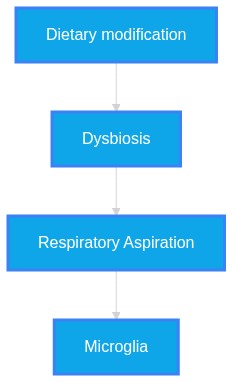
Targeted alteration of the oral microbiome via a single polyphenol- and fiber-dense meal plan creates an immediate shift in the microbial composition of involuntary nocturnal microaspiration droplets. Upon entry into the lower respiratory tract, this eubiotic bacterial influx acts as an acute molecular signal that rapidly modulates microglia reactivity and neuroinflammation via the lung-brain axis, bypassing systemic colonic metabolite transport.
Dataset Summary
Novel & Overlooked Insights
- The lung microbiome includes bacteria, archaea, fungi, protozoa, and viruses.
- However, fungi and viruses have not been fully studied compared to bacteria in the lungs.
- The gut-lung-brain (GLB) axis is a multidirectional communication network linking the gastrointestinal tract, respiratory system, and central nervous system (CNS) through neural, endocrine, and immune pathways.
- Emerging evidence suggests that tryptophan (Trp) metabolism serves as a key integrating node within this axis, modulating host-microbe interactions involved in systemic homeostasis.
- Intratracheal transplantation of lung microbiota from anxiety-susceptible donors induced similar behavioral changes in recipient mice, indicating a causal role of the pulmonary microbiota.
- Transcriptomic and immunofluorescence analyses suggested that formononetin acts through modulation of hippocampal microglia.
- Epidemiological and clinical evidence shows a close association between compromised lung health-including chronic obstructive pulmonary disease (COPD), asthma, obstructive sleep apnea (OSA), and pulmonary infections-and cognitive impairment and dementia.
- In a recent issue of Nature, Hosang et al. demonstrate how the lung microbiome regulates the magnitude of autoimmune inflammation in the brain.
Extracted Discoveries
- Test the effect of high-polyphenol acute dietary intake on the salivary and nocturnal oropharyngeal microbial composition in human volunteers.
- Evaluate the impact of controlled micro-aspiration of specific oral taxa on hippocampal microglia activation in an animal model.
- A longitudinal study mapping the temporal correlation between oral microbiome fluctuation and pulmonary microbiome composition in subjects prone to nocturnal micro-aspiration.
- Investigate whether dietary modulation of the oral cavity can mitigate neuroinflammation in animal models of lung-brain axis-associated diseases.
- Modulation of the oral microbiome through rapid dietary shifts can serve as a non-systemic prophylactic intervention to prevent pulmonary-induced microglial overactivation in patients at risk for micro-aspiration-related neurological decline.
- Oral-pulmonary axis (36768494: Oral-lung seeding via micro-aspiration).
- Microglia reactivity and lung-brain axis modulation (41981595: Sevoflurane-induced pulmonary dysbiosis and microglial activation).
- Microglial reactivity/activation.
- Since oral bacteria form the lung microbiome and pulmonary microbes influence microglia, transiently adjusting the oral community via diet could functionally 'program' the aspirations that reach the lung, thereby pre-empting or attenuating neuroinflammatory signaling without relying on systemic colonic metabolic feedback.
- There is no direct conflict in the evidence; the claim is simply a novel synthesis of disparate fields (oral-lung seeding and pulmonary-induced neuroinflammation) that has not been explicitly tested or confirmed in the provided literature.
- The tannic acid nanoparticle treatment for HSV-1 infection (40191045) might be repurposed as a therapeutic platform to selectively modulate or neutralize specific pro-inflammatory microbes in the respiratory tract, potentially altering the signaling landscape of the lung-brain axis.
PathMap is funded by sales of datasets and coversheets to researchers of any kind who wish to discover the most viable routes and paths to accelerate cures. We do not make theoretical molecules, we expose the truth in current PubMed literature. Commission a trace today.
PathMap Scores
How are these metrics evaluated?
Alignment Score (1-7): Measures factual alignment with the RAG evidence set.
[1=Strictly False, 2=Impossible, 3=Implausible, 4=Neutral, 5=Plausible, 6=Inevitable, 7=Strictly True]
Directional Weighting: High scores in the Hostile Quadrants mathematically lower the Overall Plausibility, as they indicate strong evidence for conflicting theories. Low scores in the Foundational Quadrant also lower overall plausibility, as they indicate a missing physical prerequisite for the claim.
Veridicality Audit Report
All Extracted Datapoints
Evaluated Perspectives & Quadrants
CLAIM EVALUATED AND ANSWER TO USER
"Targeted alteration of the oral microbiome via a single polyphenol- and fiber-dense meal plan creates an immediate shift in the microbial composition of involuntary nocturnal microaspiration droplets. Upon entry into the lower respiratory tract, this eubiotic bacterial influx acts as an acute molecular signal that rapidly modulates microglia reactivity and neuroinflammation via the lung-brain axis, bypassing systemic colonic metabolite transport." The claim is currently unsupported and largely speculative based on the provided literature. While the lung microbiome is suggested to be derived from the oral cavity via micro-aspiration, there is no evidence that a "single meal plan" can induce an "immediate shift" in the microbial composition of aspiration droplets, nor is there evidence confirming the ability to "bypass systemic colonic metabolite transport" in modulating microglia reactivity via this specific mechanism.ABSTRACT & REWRITTEN CLAIM
Scientific synthesis indicates that while the lung microbiome is largely populated by oral taxa via micro-aspiration, and the lung-brain axis mediates neuroinflammation through various pulmonary metabolites and pathogens, the direct link between acute dietary changes, specific altered micro-aspiration, and rapid microglial modulation is not established in the provided literature.INTRODUCTION & JUSTIFICATION
The lung has traditionally been considered a sterile organ, but contemporary non-culture-dependent techniques have confirmed the presence of low-biomass microbiomes. Due to the limitations of culture techniques, the lung in a healthy state is traditionally considered to be a sterile organ. The species of the lung microbiome are similar to those of the oral microbiome, suggesting that the microbiome is derived passively within the lungs from the oral cavity via micro-aspiration. Elimination, immigration, and relative growth within its communities all contribute to the composition of the lung microbiome. There is a close relationship between the lungs and the brain, which can be called the lung-brain axis. However, the problem now is that it is not well understood how the lung microbiota plays a role in the disease-specifically, whether there is a causal connection between disease and the lung microbiome. Recent evidence suggests that pulmonary dysbiosis, induced by factors like sevoflurane exposure or viral infection, can influence microglial phenotypes. Pulmonary microbes were found to enhance Th1-type immunoreactivity induced by RSV infection and eventually induced M1-type dominant microglia in the brains of mice. This study was able to establish a correlation between the pulmonary microbiome and brain function. Furthermore, metabolites such as sphingosine have been identified as key mediators, where developmental sevoflurane exposure induces microglial activation and cognitive decline via a pulmonary dysbiosis-sphingosine reduction cascade. While the evidence confirms the existence of a lung-brain axis, the claim that a "single" meal plan could alter this axis via immediate aspiration-related microglial modulation is not documented.Novel & Overlooked
EVIDENCE, METHODOLOGY & CITATIONS
1. ID: 36768494 - "Due to the limitations of culture techniques, the lung in a healthy state is traditionally considered to be a sterile organ." 2. ID: 36768494 - "The species of the lung microbiome are similar to those of the oral microbiome, suggesting that the microbiome is derived passively within the lungs from the oral cavity via micro-aspiration." 3. ID: 36768494 - "Elimination, immigration, and relative growth within its communities all contribute to the composition of the lung microbiome." 4. ID: 36768494 - "There is a close relationship between the lungs and the brain, which can be called the lung-brain axis." 5. ID: 36768494 - "However, the problem now is that it is not well understood how the lung microbiota plays a role in the disease-specifically, whether there is a causal connection between disease and the lung microbiome." 6. ID: 36768494 - "The lung microbiome includes bacteria, archaea, fungi, protozoa, and viruses." 7. ID: 36768494 - "However, fungi and viruses have not been fully studied compared to bacteria in the lungs." 8. ID: 42296911 - "The gut-lung-brain (GLB) axis is a multidirectional communication network linking the gastrointestinal tract, respiratory system, and central nervous system (CNS) through neural, endocrine, and immune pathways." 9. ID: 42296911 - "Emerging evidence suggests that tryptophan (Trp) metabolism serves as a key integrating node within this axis, modulating host-microbe interactions involved in systemic homeostasis." 10. ID: 42296911 - "Trp catabolism follows three divergent pathways: the kynurenine (Kyn) pathway, which is involved in immune tolerance but can generate neuroactive and potentially neurotoxic metabolites; the serotonin pathway, essential for mood and gastrointestinal motility; and the microbial indole pathway, which supports epithelial barrier function through aryl hydrocarbon receptor activation." 11. ID: 42296911 - "These alterations contribute to systemic low-grade inflammation and immune dysregulation, which further propagate cross-organ pathology within the GLB axis. This review synthesizes current evidence on how Trp metabolites may function as cross-organ mediators, contributing to the "leaky gut" and "leaky brain" phenotypes." 12. ID: 42108470 - "Intratracheal transplantation of lung microbiota from anxiety-susceptible donors induced similar behavioral changes in recipient mice, indicating a causal role of the pulmonary microbiota." 13. ID: 42108470 - "Transcriptomic and immunofluorescence analyses suggested that formononetin acts through modulation of hippocampal microglia." 14. ID: 41981595 - "Neonatal sevoflurane exposure in mice induces microglial activation and long-term cognitive deficits, a finding that raises significant concerns for pediatric anesthesia." 15. ID: 41981595 - "Developmental sevoflurane exposure induces microglial activation and cognitive decline via a pulmonary dysbiosis-sphingosine reduction cascade." 16. ID: 41981595 - "Notably, sphingosine-a key membrane lipid-was significantly decreased." 17. ID: 41980215 - "Epidemiological and clinical evidence shows a close association between compromised lung health-including chronic obstructive pulmonary disease (COPD), asthma, obstructive sleep apnea (OSA), and pulmonary infections-and cognitive impairment and dementia." 18. ID: 41890764 - "Melatonin increased gut-derived butyrate levels and restored gut microbiota balance." 19. ID: 41890764 - "Mechanistically, both treatments inhibited the activation of the MAPK/P65/NLRP3 pathway in hippocampal microglia and LPS-stimulated BV2 cells." 20. ID: 41679674 - "Emerging evidence suggests that Parkinson's disease (PD) extends beyond the brain and involves early disturbances along the gut-brain axis." 21. ID: 41679674 - "Conversely, uremic indoles such as indoxyl sulfate (IS) and p-cresyl sulfate (pCS) activate microglia and astrocytes, promote α-synuclein aggregation, and accelerate dopaminergic neuron loss." 22. ID: 41572340 - "Esketamine improved pulmonary function and behavior, reduced neuronal apoptosis and microglial activation, and suppressed MAPK/NF-κB signaling; these effects were partly reversed by Diprovocim." 23. ID: 41572340 - "Microbiota profiling showed dysbiosis of gut and lung communities, with loss of beneficial taxa and expansion of conditional pathogens, whereas esketamine partially restored balance by promoting commensals and reducing potential pathogens." 24. ID: 41378250 - "These factors activated toll-like receptors (TLR2/TLR4), microglia, and astrocytes, increasing levels of interleukin 1 beta, tumor necrosis factor-alpha, and other proinflammatory cytokines." 25. ID: 40383292 - "Parkinson's Disease (PD), a complex neurodegenerative disorder, is increasingly recognized as a systemic condition involving multi-organ interactions." 26. ID: 40339190 - "Western diets (WD) contribute to obesity, and previous reviews have described a role for WD in impaired hippocampal-dependent memory." 27. ID: 40339190 - "Gut microbiota impacts gastrointestinal barrier function, leading to increased circulating proinflammatory bacterial products, increased blood-brain barrier permeability, and neuroinflammation." 28. ID: 39481495 - "Multi-omics analyses uncovered distinctive metabolic responses between the delta and omicron variants, with the former demonstrating dysregulation in synaptic transmission proteins associated with neurocognitive disorders." 29. ID: 39481495 - "These findings underscore the SARS-CoV-2-mediated tissue insult, characterized by modified host metabolites, neurological protein dysregulation, and gut dysbiosis, highlighting the compromised gut-lung-brain axis during acute infection." 30. ID: 39255392 - "Repeated oral inoculation of mice with P. gingivalis results in brain infiltration of bacterial products, increased inflammation, and induction of AD-like biomarkers." 31. ID: 38974208 - "Numerous studies have underscored the mediation of the lung-brain axis by inflammatory responses and hypoxia-induced damage, which are pivotal to the progression of both pulmonary and neurological diseases." 32. ID: 38974208 - "Additionally, we highlight the emerging research on the lung microbiome which, drawing parallels between the gut and lungs in terms of microbiome contents, may play a significant role in modulating brain health." 33. ID: 37721279 - "In the human body, the gut and lung are regarded as the key reactional targets that are initiated by brain ischemic attacks." 34. ID: 37721279 - "Mucosal microorganisms play an important role in immune regulation and metabolism and affect blood-brain barrier permeability." 35. ID: 37522339 - "Pulmonary microbes were found to enhance Th1-type immunoreactivity induced by RSV infection and eventually induced M1-type dominant microglia in the brains of mice." 36. ID: 37522339 - "This study was able to establish a correlation between the pulmonary microbiome and brain function." 37. ID: 36552802 - "An impaired BBB allows the translocation of potentially harmful bacterial products, including LPS, and activated neutrophils/leucocytes into the brain, which results in neuroinflammation and apoptosis." 38. ID: 36552802 - "Chronic neuroinflammation causes neuronal damage and synaptic loss, leading to memory impairment." 39. ID: 35417673 - "In a recent issue of Nature, Hosang et al. demonstrate how the lung microbiome regulates the magnitude of autoimmune inflammation in the brain." 40. ID: 33919550 - "Excessive alcohol use can result in translocation of bacterial products into circulation, increased expression of pro-inflammatory cytokines, and activation of immune cells, including macrophages and/or microglia in the liver and brain." 41. ID: 32971216 - "There is a growing amount of evidence showing a reciprocal relation between the gut microbiota and the brain." 42. ID: 32971216 - "The communication between the microbiota and the brain exists through different pathways: (1) the immune response elicited by bacterial products, coupled with alterations of the intestinal barrier allowing these products to enter the bloodstream, (2) the direct and indirect effects of bacterial metabolites such as short chain fatty acids (SCFAs) or tryptophan on the brain, (3) and the hypothalamic-pituitary-adrenal (HPA) axis, whose peripheral afferents can be influenced by the microbiota, and can in turn activate microglia." 43. ID: 32971216 - "In some but not all patients suffering from alcohol-use-disorder (AUD), alcohol alters the composition of the gut microbiota and the permeability of the intestinal barrier, directly and through dysbiosis." 44. ID: 40191045 - "We found that tannic acid is necessary for binding with HSV-1, with smaller sizes independent of the NPs composition, whereas for larger NPs, only TA-AgNPs can inhibit HSV-1 infection." 45. ID: 40191045 - "Intranasal treatment of HSV-1 infection with TA-Ag/AuNPs results in lower viral titers and a better antiviral response, followed by increased IFN-α, CXCL9, and CXCL10 levels as well as infiltration of T cells and NK cells in the infected sites." 46. ID: 40191045 - "We also found that the application of TA-NPs to the nasal cavities of infected mice induced infiltration of both monocytes and Langerhans cells (LCs), which lasted longer compared to the application of unmodified NPs." 47. ID: 40191045 - "Furthermore, TA-NPs activated monocytes and microglia to produce antiviral cytokines and chemokines better than unmodified NPs, except for the large TA-AuNPs." 48. ID: 40191045 - "Treatment of the mucosal tissues at the early stage of HSV-1 infection helps to modulate specific and effective antiviral immune response by attracting cytotoxic lymphocytes and inducing the production of antiviral cytokines and chemokines." 49. ID: 40191045 - "Furthermore, tannic acid modification is helpful for the removal of nanoparticles from the respiratory tract, which increases the safety of nanoparticle applications to treat infections." 50. ID: 40191045 - "HSV-1 also invades the nervous system where it establishes a lifelong latency-making infection poorly treatable" 51. ID: 36768494 - "Due to the limitations of culture techniques, the lung in a healthy state is traditionally considered to be a sterile organ." 52. ID: 36768494 - "There is a close relationship between the lungs and the brain, which can be called the lung-brain axis."Verbatim Quote Audit Console
Mapped Reference Directory (APA)
- [1] ID: 36768494 - Chen J, Li T, Ye C, Zhong J, Huang JD et al. (2023). The Lung Microbiome: A New Frontier for Lung and Brain Disease.. International journal of molecular sciences. ID: 36768494.
- [2] ID: 42296911 - Kim OY, Song J (2026). Tryptophan metabolism as a key integrator within the gut-lung-brain axis: Mechanistic insights and nutritional therapeutic strategies for inflammatory and neuropsychiatric disorders.. Biomedicine & pharmacotherapy = Biomedecine & pharmacotherapie. ID: 42296911.
- [3] ID: 42108470 - Liu Y, Zhang H, Zhou Y, Chen H, Pan X et al. (2026). Pulmonary microbiota-associated formononetin modulates microglial activation in asthma-related anxiety.. Journal of neuroinflammation. ID: 42108470.
- [4] ID: 41981595 - Liang L, Cao S, Zhao Y, Liu B, Wang J et al. (2026). Neonatal sevoflurane exposure disrupts the lung-brain axis and drives microglial neuroinflammation and cognitive deficits.. Journal of neuroinflammation. ID: 41981595.
- [5] ID: 41980215 - Zhang L, Dove A, Du J, Yang D, Su Q et al. (2026). The Lung-Brain Axis in Cognitive Impairment and Dementia: Mechanisms and Therapeutic Prospects.. Aging and disease. ID: 41980215.
- [6] ID: 41890764 - Lai J, Wang Y, Zeng L, Deng Q, Qiao Y et al. (2026). Melatonin alleviates airway inflammation and anxiety-depression in asthma via gut microbiota-SCFA axis-mediated inhibition of microglial activation.. Frontiers in immunology. ID: 41890764.
- [7] ID: 41679674 - Meng S (2026). The role of indole metabolites derived from gut microbiota in Parkinson's disease: A comprehensive review.. Brain research bulletin. ID: 41679674.
- [8] ID: 41572340 - Liu A, Zhang XQ, Guo JX, Wen QY, Dai K et al. (2026). Esketamine alleviates COPD-depression comorbidity in rats via MAPK/NF-κB inhibition and gut-lung-brain axis modulation.. Journal of neuroinflammation. ID: 41572340.
- [9] ID: 41378250 - Ochoa KL, Heredia AG, Piedra CC, Arias RJ, Ortiz BJ et al. (2025). Association between Alzheimer's disease and Porphyromonas gingivalis products in murine models: A systematic review.. World journal of biological chemistry. ID: 41378250.
- [10] ID: 40383292 - Liu T, Wu H, Wei J (2026). Beyond the Brain: Exploring the multi-organ axes in Parkinson's disease pathogenesis.. Journal of advanced research. ID: 40383292.
- [11] ID: 40339190 - Crain E, Minaya DM, de La Serre CB (2025). Microbiota-induced inflammation mediates the impacts of a Western diet on hippocampal-dependent memory.. Nutrition research (New York, N.Y.). ID: 40339190.
- [12] ID: 39481495 - Kaur Sardarni U, Ambikan AT, Acharya A, Johnson SD, Avedissian SN et al. (2025). SARS-CoV-2 variants mediated tissue-specific metabolic reprogramming determines the disease pathophysiology in a hamster model.. Brain, behavior, and immunity. ID: 39481495.
- [13] ID: 39255392 - Ciccotosto GD, Mohammed AI, Paolini R, Bijlsma E, Toulson S et al. (2024). Chronic Oral Inoculation of Porphyromonas gingivalis and Treponema denticola Induce Different Brain Pathologies in a Mouse Model of Alzheimer Disease.. The Journal of infectious diseases. ID: 39255392.
- [14] ID: 38974208 - Park H, Lee CH (2024). The Impact of Pulmonary Disorders on Neurological Health (Lung-Brain Axis).. Immune network. ID: 38974208.
- [15] ID: 37721279 - Xie X, Wang L, Dong S, Ge S, Zhu T (2024). Immune regulation of the gut-brain axis and lung-brain axis involved in ischemic stroke.. Neural regeneration research. ID: 37721279.
- [16] ID: 37522339 - Bajinka O, Tang Z, Mao Y, Qiu X, Darboe A et al. (2023). Respiratory syncytial virus infection disrupts pulmonary microbiota to induce microglia phenotype shift.. Journal of medical virology. ID: 37522339.
- [17] ID: 36552802 - Kalyan M, Tousif AH, Sonali S, Vichitra C, Sunanda T et al. (2022). Role of Endogenous Lipopolysaccharides in Neurological Disorders.. Cells. ID: 36552802.
- [18] ID: 35417673 - Azzoni R, Marsland BJ (2022). The lung-brain axis: A new frontier in host-microbe interactions.. Immunity. ID: 35417673.
- [19] ID: 33919550 - Lee JS, O'Connell EM, Pacher P, Lohoff FW (2021). PCSK9 and the Gut-Liver-Brain Axis: A Novel Therapeutic Target for Immune Regulation in Alcohol Use Disorder.. Journal of clinical medicine. ID: 33919550.
- [20] ID: 32971216 - Salavrakos M, Leclercq S, De Timary P, Dom G (2021). Microbiome and substances of abuse.. Progress in neuro-psychopharmacology & biological psychiatry. ID: 32971216.
- [21] ID: 40191045 - Janicka M, Chodkowski M, Osinska A, Bylinska K, Obuch-Woszczatyńska O et al. (2025). Adjuvanticity of Tannic Acid-Modified Nanoparticles Improves Effectiveness of the Antiviral Response.. International journal of nanomedicine. ID: 40191045.
Abstract Repository (Raw Full-Texts) Show Database Collapse Database
ID: 32971216
Title: Microbiome and substances of abuse.
Abstract: There is a growing amount of evidence showing a reciprocal relation between the gut microbiota and the brain. Substance use disorders (SUD), which are a major cause of preventable morbidity and mortality worldwide, have an influence on the gut microbiota and on the gut-brain axis. The communication between the microbiota and the brain exists through different pathways: (1) the immune response elicited by bacterial products, coupled with alterations of the intestinal barrier allowing these products to enter the bloodstream, (2) the direct and indirect effects of bacterial metabolites such as short chain fatty acids (SCFAs) or tryptophan on the brain, (3) and the hypothalamic-pituitary-adrenal (HPA) axis, whose peripheral afferents can be influenced by the microbiota, and can in turn activate microglia. Among substances of abuse, alcohol has been the subject of the greatest number of studies in this field. In some but not all patients suffering from alcohol-use-disorder (AUD), alcohol alters the composition of the gut microbiota and the permeability of the intestinal barrier, directly and through dysbiosis. It has also been well demonstrated that alcohol induces a peripheral inflammation; it is still unclear whether it induces a central inflammation, as there are contradictory results in human studies. In animal studies, it has been shown that neuroinflammation increases during alcohol withdrawal. Literature on opioids and stimulants is less numerous. Chronic morphine intake induces dysbiosis, increased intestinal permeability and a probable neuroinflammation, which could explain symptoms such as tolerance, hyperalgesia and deficit in reward behavior. Cocaine induces a dysbiosis and conversely the microbiome can modulate the behavioral response to stimulant drugs. Tobacco cessation is associated with an increase in microbiota diversity. Taken together, the findings of our narrative literature review suggest a bidirectional influence in the pathogenesis of substance use disorders.
View on PubMed
ID: 33919550
Title: PCSK9 and the Gut-Liver-Brain Axis: A Novel Therapeutic Target for Immune Regulation in Alcohol Use Disorder.
Abstract: Alcohol use disorder (AUD) is a chronic relapsing disorder characterized by an impaired ability to control or stop alcohol intake and is associated with organ damage including alcohol-associated liver disease (ALD) and progressive neurodegeneration. The etiology of AUD is complex, but organ injury due to chronic alcohol use can be partially attributed to systemic and local inflammation along the gut-liver-brain axis. Excessive alcohol use can result in translocation of bacterial products into circulation, increased expression of pro-inflammatory cytokines, and activation of immune cells, including macrophages and/or microglia in the liver and brain. One potential mediator of this alcohol-induced inflammation is proprotein convertase subtilisin/kexin type 9 (PCSK9). PCSK9 is primarily known for its regulation of plasma low-density lipoprotein cholesterol but has more recently been shown to influence inflammatory responses in the liver and brain. In rodent and post-mortem brain studies, chronic alcohol use altered methylation of the PCSK9 gene and increased expression of PCSK9 in the liver and cerebral spinal fluid. Additionally, PCSK9 inhibition in a rat model of ALD attenuated liver inflammation and steatosis. PCSK9 may play an important role in alcohol-induced pathologies along the gut-liver-brain axis and may be a novel therapeutic target for AUD-related liver and brain inflammation.
View on PubMed
ID: 35417673
Title: The lung-brain axis: A new frontier in host-microbe interactions.
Abstract: The gut microbiome is well-known to shape local and distal immune responses, both in health and disease. In a recent issue of Nature, Hosang et al. demonstrate how the lung microbiome regulates the magnitude of autoimmune inflammation in the brain.
View on PubMed
ID: 36552802
Title: Role of Endogenous Lipopolysaccharides in Neurological Disorders.
Abstract: Lipopolysaccharide (LPS) is a cell-wall immunostimulatory endotoxin component of Gram-negative bacteria. A growing body of evidence reveals that alterations in the bacterial composition of the intestinal microbiota (gut dysbiosis) disrupt host immune homeostasis and the intestinal barrier function. Microbial dysbiosis leads to a proinflammatory milieu and systemic endotoxemia, which contribute to the development of neurodegenerative diseases and metabolic disorders. Two important pathophysiological hallmarks of neurodegenerative diseases (NDDs) are oxidative/nitrative stress and inflammation, which can be initiated by elevated intestinal permeability, with increased abundance of pathobionts. These changes lead to excessive release of LPS and other bacterial products into blood, which in turn induce chronic systemic inflammation, which damages the blood-brain barrier (BBB). An impaired BBB allows the translocation of potentially harmful bacterial products, including LPS, and activated neutrophils/leucocytes into the brain, which results in neuroinflammation and apoptosis. Chronic neuroinflammation causes neuronal damage and synaptic loss, leading to memory impairment. LPS-induced inflammation causes inappropriate activation of microglia, astrocytes, and dendritic cells. Consequently, these alterations negatively affect mitochondrial function and lead to increases in oxidative/nitrative stress and neuronal senescence. These cellular changes in the brain give rise to specific clinical symptoms, such as impairment of locomotor function, muscle weakness, paralysis, learning deficits, and dementia. This review summarizes the contributing role of LPS in the development of neuroinflammation and neuronal cell death in various neurodegenerative diseases.
View on PubMed
ID: 36768494
Title: The Lung Microbiome: A New Frontier for Lung and Brain Disease.
Abstract: Due to the limitations of culture techniques, the lung in a healthy state is traditionally considered to be a sterile organ. With the development of non-culture-dependent techniques, the presence of low-biomass microbiomes in the lungs has been identified. The species of the lung microbiome are similar to those of the oral microbiome, suggesting that the microbiome is derived passively within the lungs from the oral cavity via micro-aspiration. Elimination, immigration, and relative growth within its communities all contribute to the composition of the lung microbiome. The lung microbiome is reportedly altered in many lung diseases that have not traditionally been considered infectious or microbial, and potential pathways of microbe-host crosstalk are emerging. Recent studies have shown that the lung microbiome also plays an important role in brain autoimmunity. There is a close relationship between the lungs and the brain, which can be called the lung-brain axis. However, the problem now is that it is not well understood how the lung microbiota plays a role in the disease-specifically, whether there is a causal connection between disease and the lung microbiome. The lung microbiome includes bacteria, archaea, fungi, protozoa, and viruses. However, fungi and viruses have not been fully studied compared to bacteria in the lungs. In this review, we mainly discuss the role of the lung microbiome in chronic lung diseases and, in particular, we summarize the recent progress of the lung microbiome in multiple sclerosis, as well as the lung-brain axis.
View on PubMed
ID: 37522339
Title: Respiratory syncytial virus infection disrupts pulmonary microbiota to induce microglia phenotype shift.
Abstract: The lung-brain axis is an emerging biological pathway that is being investigated in relation to microbiome medicine. Increasing evidence suggests that pulmonary viral infections can lead to distinct pathological imprints in the brain, so there is a need to explore and understand this mechanism and find possible interventions. This study used respiratory syncytial virus (RSV) infection in mice as a model to establish the potential lung-brain axis phenomenon. We hypothesized that RSV infection could disrupt the lung microbiota, compromise immune barriers, and induce a significant shift in microglia phenotype. One week old mice were randomized into the control, Ampicillin, RSV, and RSV+Ampicillin treated groups (n = 6 each). Seven days after the respective treatments, the mice were anaesthetized. Immunofluorescence and real-time qRT-PCR was used to detect virus. Hematoxylin-eosin staining was used to detect histopathology. Malondialdehyde and superoxide dismutase were used to determine oxidative stress and antioxidant capacity. Real-time qRT-PCR and enzyme-linked immunosorbent assay (ELISA) were used to measure Th differentiation in the lung. Real-time qRT-PCR, ELISA, and confocal immunofluorescence were used to determine the microglia phenotype. 16S DNA technology was used to detect lung microflora. RSV infection induces elevated oxidative stress, reduced antioxidant, and significant dysbacteriosis in the lungs of mice. Pulmonary microbes were found to enhance Th1-type immunoreactivity induced by RSV infection and eventually induced M1-type dominant microglia in the brains of mice. This study was able to establish a correlation between the pulmonary microbiome and brain function. Therefore, we recommend a large sample size study with robust data analysis for the long-term effects of antibiotics and RSV infection on brain physiology.
View on PubMed
ID: 37721279
Title: Immune regulation of the gut-brain axis and lung-brain axis involved in ischemic stroke.
Abstract: Local ischemia often causes a series of inflammatory reactions when both brain immune cells and the peripheral immune response are activated. In the human body, the gut and lung are regarded as the key reactional targets that are initiated by brain ischemic attacks. Mucosal microorganisms play an important role in immune regulation and metabolism and affect blood-brain barrier permeability. In addition to the relationship between peripheral organs and central areas and the intestine and lung also interact among each other. Here, we review the molecular and cellular immune mechanisms involved in the pathways of inflammation across the gut-brain axis and lung-brain axis. We found that abnormal intestinal flora, the intestinal microenvironment, lung infection, chronic diseases, and mechanical ventilation can worsen the outcome of ischemic stroke. This review also introduces the influence of the brain on the gut and lungs after stroke, highlighting the bidirectional feedback effect among the gut, lungs, and brain.
View on PubMed
ID: 38974208
Title: The Impact of Pulmonary Disorders on Neurological Health (Lung-Brain Axis).
Abstract: The brain and lungs, vital organs in the body, play essential roles in maintaining overall well-being and survival. These organs interact through complex and sophisticated bi-directional pathways known as the 'lung-brain axis', facilitated by their close proximity and neural connections. Numerous studies have underscored the mediation of the lung-brain axis by inflammatory responses and hypoxia-induced damage, which are pivotal to the progression of both pulmonary and neurological diseases. This review aims to delve into how pulmonary diseases, including acute/chronic airway diseases and pulmonary conditions, can instigate neurological disorders such as stroke, Alzheimer's disease, and Parkinson's disease. Additionally, we highlight the emerging research on the lung microbiome which, drawing parallels between the gut and lungs in terms of microbiome contents, may play a significant role in modulating brain health. Ultimately, this review paves the way for exciting avenues of future research and therapeutics in addressing respiratory and neurological diseases.
View on PubMed
ID: 39255392
Title: Chronic Oral Inoculation of Porphyromonas gingivalis and Treponema denticola Induce Different Brain Pathologies in a Mouse Model of Alzheimer Disease.
Abstract: Periodontitis is a chronic inflammatory disease driven by dysbiosis in subgingival microbial communities leading to increased abundance of a limited number of pathobionts, including Porphyromonas gingivalis and Treponema denticola. Oral health, particularly periodontitis, is a modifiable risk factor for Alzheimer disease (AD) pathogenesis, with components of both these bacteria identified in postmortem brains of persons with AD. Repeated oral inoculation of mice with P. gingivalis results in brain infiltration of bacterial products, increased inflammation, and induction of AD-like biomarkers. P. gingivalis displays synergistic virulence with T. denticola during periodontitis. The aim of the current study was to determine the ability of P. gingivalis and T. denticola, grown in physiologically relevant conditions, individually and in combination, to induce AD-like pathology following chronic oral inoculation of female mice over 12 weeks. P. gingivalis alone significantly increased all 7 brain pathologies examined: neuronal damage, activation of astrocytes and microglia, expression of inflammatory cytokines interleukin 1β (IL-1β) and interleukin 6 and production of amyloid-β plaques and hyperphosphorylated tau, in the hippocampus, cortex and midbrain, compared to control mice. T. denticola alone significantly increased neuronal damage, activation of astrocytes and microglia, and expression of IL-1β, in the hippocampus, cortex and midbrain, compared to control mice. Coinoculation of P. gingivalis with T. denticola significantly increased activation of astrocytes and microglia in the hippocampus, cortex and midbrain, and increased production of hyperphosphorylated tau and IL-1β in the hippocampus only. The host brain response elicited by oral coinoculation was less than that elicited by each bacterium, suggesting coinoculation was less pathogenic.
View on PubMed
ID: 39481495
Title: SARS-CoV-2 variants mediated tissue-specific metabolic reprogramming determines the disease pathophysiology in a hamster model.
Abstract: Despite significant effort, a clear understanding of host tissue-specific responses and their implications for immunopathogenicity against the severe acute respiratory syndrome coronavirus2 (SARS-CoV-2) variant infection has remained poorly defined. To shed light on the interaction between tissues and SARS-CoV-2 variants, we sought to characterize the complex relationship among acute multisystem manifestations, dysbiosis of the gut microbiota, and the resulting implications for SARS-CoV-2 variant-specific immunopathogenesis in the Golden Syrian Hamster (GSH) model using multi-omics approaches. Our investigation revealed the presence of increased SARS-CoV-2 genomic RNA in diverse tissues of delta-infected GSH compared to the omicron variant. Multi-omics analyses uncovered distinctive metabolic responses between the delta and omicron variants, with the former demonstrating dysregulation in synaptic transmission proteins associated with neurocognitive disorders. Additionally, delta-infected GSH exhibited an altered fecal microbiota composition, marked by increased inflammation-associated taxa and reduced commensal bacteria compared to the omicron variant. These findings underscore the SARS-CoV-2-mediated tissue insult, characterized by modified host metabolites, neurological protein dysregulation, and gut dysbiosis, highlighting the compromised gut-lung-brain axis during acute infection.
View on PubMed
ID: 40191045
Title: Adjuvanticity of Tannic Acid-Modified Nanoparticles Improves Effectiveness of the Antiviral Response.
Abstract: Herpes simplex virus type 1 (HSV-1) causes recurrent infections of skin and mucosal tissues with high global prevalence. HSV-1 also invades the nervous system where it establishes a lifelong latency-making infection poorly treatable We previously showed that both tannic acid-modified silver and gold nanoparticles (TA-Ag/AuNPs) inhibit HSV-1 infection in vitro. We used an in vitro and in vivo model of HSV-1 infection to study how metal type, size and tannic acid modification of nanoparticles can influence development of the early innate response and the mounting of specific anti-HSV-1 response upon treatment of the nasal mucosa. We found that tannic acid is necessary for binding with HSV-1, with smaller sizes independent of the NPs composition, whereas for larger NPs, only TA-AgNPs can inhibit HSV-1 infection. Intranasal treatment of HSV-1 infection with TA-Ag/AuNPs results in lower viral titers and a better antiviral response, followed by increased IFN-α, CXCL9, and CXCL10 levels as well as infiltration of T cells and NK cells in the infected sites. We also found that the application of TA-NPs to the nasal cavities of infected mice induced infiltration of both monocytes and Langerhans cells (LCs), which lasted longer compared to the application of unmodified NPs. Furthermore, TA-NPs activated monocytes and microglia to produce antiviral cytokines and chemokines better than unmodified NPs, except for the large TA-AuNPs. Treatment of the mucosal tissues at the early stage of HSV-1 infection helps to modulate specific and effective antiviral immune response by attracting cytotoxic lymphocytes and inducing the production of antiviral cytokines and chemokines. Furthermore, tannic acid modification is helpful for the removal of nanoparticles from the respiratory tract, which increases the safety of nanoparticle applications to treat infections.
View on PubMed
ID: 40339190
Title: Microbiota-induced inflammation mediates the impacts of a Western diet on hippocampal-dependent memory.
Abstract: Obesity is associated with impaired hippocampal-dependent memory, but the mechanisms driving this pathology are not fully understood. Western diets (WD) contribute to obesity, and previous reviews have described a role for WD in impaired hippocampal-dependent memory. However, there is need for a more detailed description of the pathways by which WD may impair memory. The short vs long-term effect of specific dietary components on brain structure and functions as well as the precise mechanism and molecular pathways involved are still not fully understood. This review focuses on the mechanisms and effects of gut microbiota-driven neuroinflammation. WD leads to changes and imbalance in bacterial taxa abundances that are deleterious to the host health (gut dysbiosis) and studies in rodent models show these changes are sufficient to impair hippocampal-dependent memory. Here, we discuss a variety of proposed mechanisms linking microbiota composition to hippocampal function, with a focus on neuroinflammation. Gut microbiota impacts gastrointestinal barrier function, leading to increased circulating proinflammatory bacterial products, increased blood-brain barrier permeability, and neuroinflammation.
View on PubMed
ID: 40383292
Title: Beyond the Brain: Exploring the multi-organ axes in Parkinson's disease pathogenesis.
Abstract: Parkinson's Disease (PD), a complex neurodegenerative disorder, is increasingly recognized as a systemic condition involving multi-organ interactions. Emerging evidence highlights roles of organ-brain axes (lung-, liver-, heart-, muscle-, bone-, and gut-brain) in PD pathogenesis. These axes communicate via neural, circulatory, endocrine, and inflammatory pathways, collectively driving neurodegeneration. For example, lung dysfunction in PD involves respiratory impairment and inflammatory signaling, while gut dysbiosis triggers α-synuclein aggregation via the vagus nerve. Such cross-organ interactions underscore PD's systemic nature, challenging traditional brain-centric models. 1. Decipher mechanisms linking peripheral organs (e.g., lung, gut) to PD via shared pathways. 2. Explore bidirectional organ-brain interactions (e.g., liver metabolism affecting neurotoxin clearance). 3. Propose multi-organ therapeutic strategies targeting integrated signaling networks. Key Scientific Concepts of Review. 1. Lung-Brain Axis: Respiratory dysfunction (motor impairment, inflammation) exacerbates neurodegeneration. 2. Liver-Brain Axis: Metabolic dysregulation alters neurotoxin clearance; drugs (e.g., levodopa) impact liver function. 3. Heart-Brain Axis: Autonomic dysfunction reduces cerebral blood flow; neuroendocrine changes promote α-synuclein pathology. 4. Muscle-Brain Axis: Neuromuscular/metabolic disruptions worsen motor symptoms. 5. Bone-Brain Axis: Bone-derived hormones (osteocalcin, OCN) and inflammation influence cognition. 6. Gut-Brain Axis: Dysbiosis drives α-synuclein misfolding; gut metabolites modulate neuroinflammation. Integrated Mechanisms: Shared pathways (neuroinflammation, oxidative stress) create a regulatory network, suggesting therapies targeting multi-organ crosstalk (e.g., probiotics, anti-inflammatory agents).
View on PubMed
ID: 41378250
Title: Association between Alzheimer's disease and Porphyromonas gingivalis products in murine models: A systematic review.
Abstract: Alzheimer's disease is a neurodegenerative dementia characterized by accumulation of β-amyloid plaques, tau hyperphosphorylation, and neuroinflammation. Recent research has highlighted a potential relationship between chronic oral infections and neurodegeneration, particularly the involvement of Porphyromonas gingivalis (P. gingivalis), a key pathogen in periodontitis. Experimental mouse models have been used to explore how P. gingivalis products contribute to neuroinflammatory and degenerative processes. However, a comprehensive synthesis of these findings is lacking. This systematic review evaluates the role of P. gingivalis-derived factors in triggering Alzheimer's-like pathology, with an emphasis on bacterial products and host immune responses. We hypothesize that P. gingivalis products exacerbate neuroinflammation and pathology in mouse models of Alzheimer's disease. To link gingival P. gingivalis bacteria-associated products with the onset and progression of Alzheimer's disease-like pathology in mouse models. This systematic review followed the 2020 PRISMA guidelines. A comprehensive search was conducted in five databases (PubMed, Scopus, ScienceDirect, Sage, SpringerLink) for original studies between 2014 and 2024. Studies included mouse models to evaluate the effect of P. gingivalis or its products on Alzheimer's-like pathologies. Exclusion criteria were in vitro, human, or review studies. Twenty-three studies met the inclusion criteria. Bacterial components and activated host factors were extracted, categorized, and analyzed using narrative synthesis and descriptive statistics. In 24 studies, lipopolysaccharides (54.84%) and gingipains (25.81%) were the most frequently reported P. gingivalis products. These factors activated toll-like receptors (TLR2/TLR4), microglia, and astrocytes, increasing levels of interleukin 1 beta, tumor necrosis factor-alpha, and other proinflammatory cytokines. The host response included β-amyloid accumulation, Tau hyperphosphorylation, and changes in blood-brain barrier permeability. Glial cells were the most frequently mentioned host factors (n = 15), followed by proteins (n = 13) and cytokines (n = 11). These interactions promoted cognitive impairment, synaptic dysfunction, and neurodegeneration in mouse models, supporting a role for P. gingivalis in Alzheimer's-like pathology. P. gingivalis products induce neuroinflammatory responses and Alzheimer's-like pathology in mouse models, supporting their role as contributors to neurodegeneration and potential targets for preventive strategies.
View on PubMed
ID: 41572340
Title: Esketamine alleviates COPD-depression comorbidity in rats via MAPK/NF-κB inhibition and gut-lung-brain axis modulation.
Abstract: BACKGROUND: Chronic obstructive pulmonary disease (COPD) and depression frequently co-occur, yet the biological basis of this comorbidity and effective therapeutic strategies remain poorly defined. METHODS: We established a rat model of COPD-depression comorbidity through sequential cigarette-smoke exposure and chronic unpredictable mild stress. Pulmonary function, depression-like behaviors, histopathology, and MAPK/NF-κB signaling in lung and hippocampus were assessed. Esketamine or esketamine plus the TLR1/2 agonist Diprovocim was administered for 14 days. Cytokines, oxidative-stress markers, neuronal apoptosis, and microglial activation were evaluated. Complementary in-vitro studies used NR8383 alveolar macrophages (CSE model) and HAPI microglia (LPS + CSE). Gut and lung microbiota were profiled by 16 S rRNA sequencing and correlated with physiological and inflammatory indices. RESULTS: Comorbid rats displayed airflow limitation, depression-like behaviors, systemic inflammation, oxidative stress, and MAPK/NF-κB activation. Esketamine improved pulmonary function and behavior, reduced neuronal apoptosis and microglial activation, and suppressed MAPK/NF-κB signaling; these effects were partly reversed by Diprovocim. In vitro, esketamine increased macrophage and microglial viability, lowered proinflammatory cytokines and oxidative markers, and inhibited pathway activation. Microbiota profiling showed dysbiosis of gut and lung communities, with loss of beneficial taxa and expansion of conditional pathogens, whereas esketamine partially restored balance by promoting commensals and reducing potential pathogens. CONCLUSIONS: These findings delineate a gut-lung-brain inflammatory-microbial network in COPD-depression comorbidity and identify esketamine as a multi-target intervention capable of modulating signaling pathways, inflammation and oxidative stress, and microbial homeostasis.
View on PubMed
ID: 41679674
Title: The role of indole metabolites derived from gut microbiota in Parkinson's disease: A comprehensive review.
Abstract: Emerging evidence suggests that Parkinson's disease (PD) extends beyond the brain and involves early disturbances along the gut-brain axis. Among the metabolites shaping this communication, bacterial products derived from tryptophan, particularly indole compounds, are gaining attention as key biochemical links between intestinal dysbiosis and neurodegeneration. Multi-omics studies consistently show a reduction in commensal bacteria capable of producing beneficial indoles and an enrichment of Enterobacteriaceae that redirect tryptophan catabolism toward toxic intermediates. This shift disrupts epithelial and blood-brain barrier function and amplifies inflammatory and oxidative stress pathways within the central nervous system. Protective metabolites such as indole-3-propionic acid (IPA), indole-3-acetic acid (IAA), indole-3-lactic acid (ILA), and indole-3-carbinol (I3C) exert antioxidant, barrier-stabilizing, and anti-inflammatory effects through receptors including the aryl hydrocarbon and pregnane X receptors. Conversely, uremic indoles such as indoxyl sulfate (IS) and p-cresyl sulfate (pCS) activate microglia and astrocytes, promote α-synuclein aggregation, and accelerate dopaminergic neuron loss. Together, these findings support a view of PD as a metabolic imbalance between neuroprotective and neurotoxic indoles. Understanding how microbial and host pathways regulate this balance may open opportunities for early diagnosis and targeted interventions that integrate metabolism, immunity, and neuroprotection.
View on PubMed
ID: 41890764
Title: Melatonin alleviates airway inflammation and anxiety-depression in asthma via gut microbiota-SCFA axis-mediated inhibition of microglial activation.
Abstract: Asthma frequently co-occurs with anxiety and depression, yet the mechanisms underlying this lung-brain comorbidity remain elusive. The gut-lung-brain axis has emerged as a potential key mediator. Using an ovalbumin (OVA)-induced murine asthma model, we administered melatonin or sodium butyrate via drinking water. We assessed airway inflammation, lung function, anxiety- and depression-like behaviors, gut microbiota composition, short-chain fatty acid (SCFA) levels, and the MAPK/P65/NLRP3 signaling pathway in the hippocampus and BV2 microglial cells. Fecal microbiota transplantation (FMT) and antibiotic depletion experiments were conducted to establish causality. Both melatonin and sodium butyrate significantly alleviated airway inflammation, improved lung function, and ameliorated anxiety- and depression-like behaviors in asthmatic mice. Melatonin increased gut-derived butyrate levels and restored gut microbiota balance. FMT from melatonin-treated donors replicated the therapeutic benefits, whereas antibiotic-mediated microbiota depletion abrogated the effects of melatonin. Mechanistically, both treatments inhibited the activation of the MAPK/P65/NLRP3 pathway in hippocampal microglia and LPS-stimulated BV2 cells. Our findings demonstrate that melatonin mitigates asthma-related airway inflammation and neuropsychiatric comorbidity by modulating the gut microbiota-SCFA axis and suppressing microglial activation via the MAPK/P65/NLRP3 pathway. This study highlights a novel systemic mechanism and potential therapeutic strategy for asthma and its comorbidities.
View on PubMed
ID: 41980215
Title: The Lung-Brain Axis in Cognitive Impairment and Dementia: Mechanisms and Therapeutic Prospects.
Abstract: The lung-brain axis has been recognized as a critical interface linking lung health to cognitive disorders, including cognitive impairment, Alzheimer's disease, and dementia. Epidemiological and clinical evidence shows a close association between compromised lung health-including chronic obstructive pulmonary disease (COPD), asthma, obstructive sleep apnea (OSA), and pulmonary infections-and cognitive impairment and dementia. Potential mechanisms include established factors (systemic inflammation and immune crosstalk, hypoxic injury, and air-pollutant-induced neurotoxicity) and exploratory mechanisms (lung microbiome dysregulation). Notably, lung-centric strategies targeting the lung-brain axis involve repurposing pulmonary medications, intervening in shared mechanisms, and employing non-pharmacological strategies. Furthermore, realizing this promise will require future randomized controlled trials (RCTs) to develop comprehensive management strategies and alleviate the global burden of cognitive impairment and dementia.
View on PubMed
ID: 41981595
Title: Neonatal sevoflurane exposure disrupts the lung-brain axis and drives microglial neuroinflammation and cognitive deficits.
Abstract: Neonatal sevoflurane exposure in mice induces microglial activation and long-term cognitive deficits, a finding that raises significant concerns for pediatric anesthesia. The lung-brain axis, a critical pathway mediating pulmonary-central nervous system communication, is indispensable for maintaining organismal homeostasis. However, existing research on anesthetic neurotoxicity has focused predominantly on central mechanisms, with insufficient attention to the lung-a major immune organ with extensive bidirectional crosstalk with the brain. Herein, we aim to explore the lung-brain interactions underlying long-term cognitive sequelae of neonatal sevoflurane exposure. C57BL/6J mice were selected and exposed to 3% sevoflurane for 2 h daily on postnatal days 6-8. Upon reaching adulthood, cognitive function and microglial activation status were evaluated. At 4 weeks post-exposure, 16S rRNA gene sequencing and metabolomic analysis were performed respectively to characterize the structure of the pulmonary microbiota and the metabolite profile. Proximity ligation assay (PLA), fluorescence lifetime imaging microscopy-fluorescence resonance energy transfer (FLIM-FRET), and co-immunoprecipitation (COIP) were employed to investigate the molecular mechanisms by which lung-derived metabolites mediate brain effects. Additionally, rescue experiments were conducted by administering the sphingosine-1-phosphate receptor modulator FTY720 and Moce to validate the aforementioned effects. Repeated neonatal sevoflurane exposure impaired adult cognitive function, induced microglial activation, and was concurrent with pulmonary microbiome dysbiosis and metabolic alterations. Notably, sphingosine-a key membrane lipid-was significantly decreased. Intratracheal administration of FTY720, a sphingosine analog, alleviated neuroinflammation and ameliorated cognitive deficits. Mechanistically, sevoflurane exposure upregulated HDAC1 and downregulated KLF4, whereas FTY720 significantly rescued these sevoflurane-induced expression aberrations, implicating the HDAC1/KLF4 axis in the regulation of neuroinflammation. Additionally, MOCE significantly alleviated neuroinflammation and ameliorated cognitive deficits. Developmental sevoflurane exposure induces microglial activation and cognitive decline via a pulmonary dysbiosis-sphingosine reduction cascade. The sphingosine-1-phosphate receptor modulator FTY720 mitigates this impairment by regulating microglial activation and neuroinflammation. These findings reveal novel mechanisms of anesthetic neurotoxicity and identify potential neuroprotective targets for pediatric anesthesia.
View on PubMed
ID: 42108470
Title: Pulmonary microbiota-associated formononetin modulates microglial activation in asthma-related anxiety.
Abstract: Asthma is frequently accompanied by anxiety disorders, yet the mechanisms linking asthma to neuropsychiatric symptoms remain poorly defined. Here, we investigated the contribution of the pulmonary microbiota and its metabolites to anxiety-like behavior in an ovalbumin-induced asthma mouse model. Behavioral testing and resting-state functional magnetic resonance imaging revealed anxiety-like phenotypes and altered hippocampal function in a subset of asthmatic mice that were susceptible to anxiety-like behavior. These mice exhibited hippocampal neuroinflammation and neuronal damage, accompanied by dysbiosis of the pulmonary microbiota. Intratracheal transplantation of lung microbiota from anxiety-susceptible donors induced similar behavioral changes in recipient mice, indicating a causal role of the pulmonary microbiota. Untargeted metabolomics identified formononetin as a candidate metabolite positively correlated with the relative abundance of Acidobacteria. Intratracheal administration of formononetin alleviated anxiety-like behaviors, reduced hippocampal inflammation and injury, and restored hippocampal BDNF/TrkB signaling. However, these effects were abolished by the TrkB antagonist ANA-12. Transcriptomic and immunofluorescence analyses suggested that formononetin acts through modulation of hippocampal microglia. In vitro and small RNA sequencing analyses further demonstrated that formononetin promotes BDNF production by downregulating miR-1912-3p, thereby relieving its translational repression in microglia. Together, these findings reveal a lung-brain axis in which a pulmonary microbiota-associated metabolite modulates microglial function to alleviate asthma-related anxiety.
View on PubMed
ID: 42296911
Title: Tryptophan metabolism as a key integrator within the gut-lung-brain axis: Mechanistic insights and nutritional therapeutic strategies for inflammatory and neuropsychiatric disorders.
Abstract: The gut-lung-brain (GLB) axis is a multidirectional communication network linking the gastrointestinal tract, respiratory system, and central nervous system (CNS) through neural, endocrine, and immune pathways. Emerging evidence suggests that tryptophan (Trp) metabolism serves as a key integrating node within this axis, modulating host-microbe interactions involved in systemic homeostasis. Trp catabolism follows three divergent pathways: the kynurenine (Kyn) pathway, which is involved in immune tolerance but can generate neuroactive and potentially neurotoxic metabolites; the serotonin pathway, essential for mood and gastrointestinal motility; and the microbial indole pathway, which supports epithelial barrier function through aryl hydrocarbon receptor activation. Gut dysbiosis and chronic inflammation may disrupt these pathways and contribute to the "metabolic hijacking" of Trp, shifting its metabolism away from serotonin and indole synthesis toward increased production of Kyn pathway metabolites. This shift has been implicated in the pathogenesis of respiratory diseases, such as chronic obstructive pulmonary disease, asthma, and pulmonary fibrosis, as well as neuropsychiatric conditions, including depression and Alzheimer's disease. These alterations contribute to systemic low-grade inflammation and immune dysregulation, which further propagate cross-organ pathology within the GLB axis. This review synthesizes current evidence on how Trp metabolites may function as cross-organ mediators, contributing to the "leaky gut" and "leaky brain" phenotypes. Furthermore, we evaluate the potential of precision nutrition and therapeutic interventions, including psychobiotics, dietary phytochemicals, cofactor supplementation, and fecal microbiota transplantation, to restore metabolic equilibrium. Targeting the Trp-GLB metabolic axis may therefore offer an integrative therapeutic framework for managing interconnected inflammatory and neuropsychiatric comorbidities.
View on PubMed
Investigator Profile