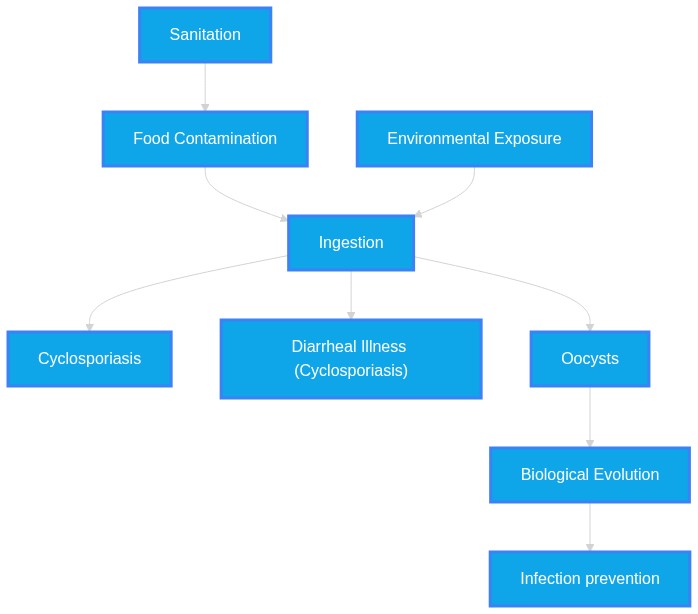
What is Cyclosporiasis and why do outbreaks occur? Is it preventable?
Plausibility Verdicts
Cyclosporiasis is a diarrheal illness caused by Cyclospora cayetanensis. Outbreaks result from contaminated produce/water, and prevention relies on improved sanitation and food handling.
Cyclosporiasis is a foodborne disease that is difficult to control due to environmental persistence and the lack of perfect field-deployable rapid tests.
Cyclosporiasis is a foodborne disease that requires environmental maturation of oocysts; it is primarily prevented by ensuring the safety of irrigation water and using effective filtration (e.g., ZVI-sand) and improved detection methods to mitigate supply chain contamination.
Dataset Summary
Novel & Overlooked Insights
- UV fluorescence microscopy offers a sensitive alternative for diagnostic laboratory settings.
- Cyclospora* DNA has been detected in diverse environmental samples, including irrigation water and sewage sludge.
- There is a persistent interpretability gap between molecular (qPCR) detection of parasite DNA and the presence of viable, infectious organisms.
- Surrogate organisms like *Eimeria* species are used in research to test disinfection interventions due to the difficulty of propagating *Cyclospora* in vitro.
- New molecular techniques, such as RPA-CRISPR/Cas12a, are being developed for rapid field-deployable testing.
- The global burden of diarrheal hazards, including *Cyclospora*, is disproportionately high in children in low-income regions.
- Advanced genotyping systems are now being employed to improve outbreak investigation and source tracking.
- Co-infections of *Cyclospora* and other parasites are frequently observed in immunocompromised individuals.
- Standardized methods for sampling large batches of produce are still lacking, hindering effective surveillance.
- Biogenic selenium nanoparticles have shown potential as a therapeutic intervention in experimental models.
- Genotypic markers suggest that cyclosporiasis cases in the U.S. likely stem from frequent, independent parasite introductions rather than persistent local reservoirs.
- The use of selenium nanoparticles (SeNPs) as an antioxidant nanotherapeutic is being explored as a potential, safer alternative to current antimicrobial regimens for cyclosporiasis.
- Broccoli florets may physically trap oocysts, rendering traditional washing procedures less effective compared to other produce types.
- A significant diagnostic gap exists in patients with Inflammatory Bowel Disease (IBD); multiplex PCR can detect *Cyclospora* in cases where conventional microscopic tests fail.
- Tibetan antelope and fur animals have been identified as potential hosts, indicating that the parasite's host range is broader than previously recognized.
- DNA aptamers have been disclosed as potential tools for magnetic separation and diagnostic assay development for *Cyclospora*.
- Cyclospora* can remain viable in unpreserved household water sediment for up to one year.
- Cyclospora cayetanensis* requires environmental triggers for oocyst sporulation before it can infect a human host.
- The clinical triad for pediatric cases includes high-volume watery diarrhea, abdominal pain, and an alkaline stool pH.
- Infection can lead to serious systemic consequences, including symptomatic hypocalcemia due to malabsorption.
- Broccoli florets appear to hinder the efficiency of conventional washing procedures, potentially shielding the parasite.
- Zero-valent iron (ZVI) added to sand filtration systems has demonstrated efficacy in removing >99% of oocysts from water.
- Outbreaks are often associated with fresh produce, such as cilantro, lettuce, and basil, particularly from international supply chains.
- Molecular genotyping is increasingly used to identify temporally linked case clusters, even when traditional product traceback fails.
- Patients with specific mental health disorders or immunocompromising conditions (e.g., HIV/AIDS, transplant recipients) may have a higher susceptibility to, or more severe manifestations of, cyclosporiasis.
- Current sanitizer protocols (e.g., chlorine and peracetic acid) often yield insignificant reductions in parasite infectivity at standard agricultural concentrations.
Extracted Discoveries
- Assess viability of oocysts recovered from fresh produce after various cold plasma or pulse electric field treatments.
- Perform controlled infection studies using standardized non-human primate surrogates to confirm zoonotic potential of specific strains.
- Evaluate the long-term persistence of sporulated oocysts in soil using metagenomic sequencing to map environmental survival kinetics.
- Test efficacy of cold plasma and pulse electric fields on oocyst viability in specific leafy vegetable matrices.
- Perform controlled field trials of tilling versus soil removal for contaminated plot remediation.
- Evaluate the stability of DNA aptamer-based separation techniques in complex agricultural wash-water matrices.
- Test the efficacy of non-thermal sterilization technologies (pulse electric fields, cold plasma) specifically on Cyclospora oocysts.
- Evaluate the long-term impact of ZVI-sand filtration on larger, industrial-scale irrigation systems.
- Compare the retention efficiency of diverse produce surfaces (e.g., rough vs. smooth) against optimized wash protocols.
- Large-scale longitudinal survey of irrigation water quality in high-risk produce-growing regions over multiple seasons.
- Meta-analysis of diagnostic accuracy for different molecular detection methods across various produce matrices.
- Comparative socio-economic study on the impact of improved household-level water filtration on the incidence of cyclosporiasis in endemic peri-urban settings.
- Comparative analysis of the efficacy of different commercial sanitizers against environmental oocysts.
- Large-scale longitudinal study on the impact of improved farm-level water management on produce contamination rates.
- Genome-wide association studies comparing environmental versus clinical isolates to determine transmission source.
- A systematic assessment of the prevalence of Cyclospora in non-cereal crop soil across different climate regions.
- Longitudinal epidemiological study on the link between socioeconomic infrastructure and the incidence of foodborne cyclosporiasis in endemic regions.
- Comparative performance evaluation of multiplex PCR panels versus metagenomic sequencing in identifying co-infections in cyclosporiasis outbreaks.
- Discovered Hypothesis (A to C): Selenium nanoparticles may alleviate the intestinal barrier disruption caused by Cyclospora-induced inflammation in immunocompromised hosts.
Literature A (Origin): Biogenic selenium nanoparticles are effective antioxidants and reduce oocyst burden in immunosuppressed murine models (ID: 40820021).
Literature C (Target): Cyclospora infection induces intestinal epithelial cell damage and alters growth-signaling biomarkers (ID: 42139304).
The Intersecting Bridge B: Reduced glutathione (GSH) and malondialdehyde (MDA) suppression (ID: 40820021; 42139304).
Biological Rationale: Selenium nanoparticles improve GSH levels and repress MDA, counteracting the oxidative stress and damage to epithelial function markers associated with enteric protozoan infections. - Selenium nanoparticles (SeNPs) may reduce the environmental persistence of Cyclospora oocysts in contaminated soil matrices.
- ID: 40820021 (SeNPs show high therapeutic efficacy/antioxidant properties in murine models).
- ID: 40430751 & 42059791 (Cyclospora oocysts exhibit high environmental persistence in soil and require better remediation).
- Oxidative stress management (SeNPs regulate MDA/GSH levels to disrupt oocyst viability).
- Since SeNPs are shown to deform oocysts and induce metabolic stress by modulating GSH/MDA levels in vivo, applying them to soil-produce interfaces could catalyze the degradation of otherwise recalcitrant environmental oocysts.
- Symptomatic hypocalcemia resulting from chronic Cyclospora-induced malabsorption may be mitigated by targeted mineral supplementation, reducing secondary EKG abnormalities.
- ID 39906571: A case report describing severe symptomatic hypocalcemia and prolonged QT interval in a patient with chronic Cyclospora infection.
- ID 40377863: Discussion on the frequent management changes in patients with inflammatory bowel disease flares upon detecting enteric pathogens via PCR.
- Malabsorption of nutrients in the context of chronic gastrointestinal inflammation and protozoal infection.
- Chronic infection with Cyclospora triggers intestinal malabsorption, which can lead to metabolic imbalances like hypocalcemia. By incorporating routine, sensitive PCR testing into the evaluation of any chronic diarrheal condition or unexplained metabolic deficit (like hypocalcemia), clinicians can identify the inciting pathogen and treat the underlying malabsorptive trigger.
- There is a notable discrepancy in environmental detection sensitivity between various qPCR methods (18S rRNA vs Mit1C) and confirmation sequencing. Several studies (38916361, 38815808) report that initial qPCR positives were actually cross-reactions with other coccidian organisms found in environmental matrices, suggesting that previous environmental prevalence data may be overestimated.
- There is a slight nuance in the utility of mRNA-based viability methods: one study (42059791) suggests mRNA detects metabolic activity (though results are lower at higher temperatures), while another (41852952) emphasizes that molecular (DNA) detection can distinguish environmental contamination without confirming active viability.
- There is a notable discrepancy in the efficacy of conventional washing/sanitization procedures; while mechanical washing is standard, specific studies highlight that it often fails to eliminate parasites from complex surfaces like broccoli florets or at low sanitizer concentrations.
- The repurposing of zero-valent iron (ZVI) sand filters (originally intended for water treatment) as an agricultural irrigation intervention (ID: 39597733) and the use of ozone exposure for water/produce disinfection (ID: 38460785) offer practical, non-chemical remediation strategies for controlling the environmental spread of Cyclospora.
- Use of SeNPs for agricultural disinfection (beyond therapeutics) and utilizing CRISPR/Cas12a-based LFS biosensors for field-deployable, on-site food supply chain surveillance.
- Zero-valent iron (ZVI) sand filtration, originally tested for removing Eimeria species, can be repurposed as a robust mechanism for decontaminating agricultural irrigation water to prevent Cyclospora transmission.
PathMap is funded by sales of datasets and coversheets to researchers of any kind who wish to discover the most viable routes and paths to accelerate cures. We do not make theoretical molecules, we expose the truth in current PubMed literature. Commission a trace today.
PathMap Scores
How are these metrics evaluated?
Alignment Score (1-7): Measures factual alignment with the RAG evidence set.
[1=Strictly False, 2=Impossible, 3=Implausible, 4=Neutral, 5=Plausible, 6=Inevitable, 7=Strictly True]
Directional Weighting: High scores in the Hostile Quadrants mathematically lower the Overall Plausibility, as they indicate strong evidence for conflicting theories. Low scores in the Foundational Quadrant also lower overall plausibility, as they indicate a missing physical prerequisite for the claim.
AI Overview (Non-Expert Explanation)
Veridicality Audit Report
All Extracted Datapoints
Evaluated Perspectives & Quadrants
CLAIM EVALUATED AND ANSWER TO USER
What is Cyclosporiasis and why do outbreaks occur? Is it preventable?ABSTRACT & REWRITTEN CLAIM
Cyclosporiasis is a foodborne and waterborne diarrheal illness caused by the protozoan parasite *Cyclospora cayetanensis*. Outbreaks are frequently associated with the consumption of contaminated fresh produce and water. Prevention is possible through improved hygiene, sanitation, and targeted food safety interventions.INTRODUCTION & JUSTIFICATION
Cyclosporiasis is a human-specific gastrointestinal illness. The illness is characterized by watery diarrhea and is transmitted via the consumption of sporulated oocysts. Unlike many other enteric pathogens, *Cyclospora* requires environmental triggers for oocyst sporulation before becoming infectious. Outbreaks frequently occur due to contaminated produce or water supplies, with seasonality being a noted characteristic. While current methods for controlling *Cyclospora* face challenges due to its resistance to conventional sanitizers, preventive measures—including improved irrigation water treatment and food safety protocols—are emerging as critical strategies.Novel & Overlooked
EVIDENCE, METHODOLOGY & CITATIONS
1. ID: 41997463 - Application: Definition of the pathogen. "Cyclospora cayetanensis is a human-specific protozoan parasite that induces the diarrheal illness cyclosporiasis." 2. ID: 41347294 - Application: Transmission pathway. "Cyclospora cayetanensis is a foodborne protozoan parasite that causes cyclosporiasis, a disease transmitted by the consumption of sporulated oocysts, often via contaminated produce." 3. ID: 42168821 - Application: Clinical presentation. "Pediatric Cyclospora infection presents with a distinct clinical triad: high-volume watery diarrhea, abdominal pain and alkaline stool Ph." 4. ID: 41316351 - Application: Epidemiological scope. "At least 19 countries in the world have recorded outbreaks of cyclosporiasis, mainly associated with the consumption of contaminated fresh agricultural products." 5. ID: 42067754 - Application: Environmental contamination. "Canal water (20.0%) was more frequently contaminated than tube-well water (5.0%; OR 4.75; 95% CI: 1.01-22.3)." 6. ID: 39597733 - Application: Resistance to treatment. "C. cayetanensis is resistant to commonly used irrigation water treatments, such as chemical sanitizers, making removal of oocysts by filtration the most suitable intervention." 7. ID: 38460785 - Application: Ozone efficacy. "Treating with ozonated water acidified with citric acid reduced sporulation ability in a dose-dependent manner" 8. ID: 40820021 - Application: Experimental therapy. "The anti-Cyclospora activity of seven-day oral treatment of 10 mg/kg of SeNPs was assessed through parasitological, ultrastructural, histopathological, and biochemical studies." 9. ID: 40669565 - Application: Extraction challenges. "Extraction methods for environmental samples must be efficient due to the often-limited amount of target nucleic acid and the potential for molecular inhibitors present in an environmental sample." 10. ID: 39561398 - Application: Surveillance needs. "These findings show the need for continued investment in Cyclospora research, including identifying populations that are underrepresented, or at higher risk for cyclosporiasis" 11. ID: 40207532 - Application: Zoonotic potential evidence. "Two of six (6%) Cyclospora spp. infections detected sequenced as Cyclospora cercopitheci (both in C. sabaeus)." 12. ID: 42125204 - Application: Diagnostic limitations. "However, microscopy limitations prevent the assessment of zoonotic transmission, underscoring the need for molecular studies to confirm potential cross-species links." 13. ID: 38815808 - Application: qPCR interpretation. "When evaluating C. cayetanensis qPCR environmental detection data, the impact of assay specificity and detection criteria should be considered." 14. ID: 42199673 - Application: Immunological association. "Intestinal protozoan parasites may contribute to CD through immune-mediated mechanisms, and the altered intestinal environment in CD may also increase susceptibility to colonization." 15. ID: 38916361 - Application: Cross-reactivity. "Sequences from these samples clustered around coccidia sequences found in bird, fish, reptile, and amphibian hosts." 16. ID: 40366167 - Application: Specimen storage. "We found that stool specimens stored in preservatives had a greater likelihood of sequencing success over time relative to specimens without preservatives" 17. ID: 40212461 - Application: Historical context. "Previous estimates of the burden exerted by different foodborne hazards were published about a decade ago (2015) and an update is planned." 18. ID: 42151914 - Application: Global prevalence. "The overall pooled prevalence of IPIs in children under five was 31.60% (95% CI: 26.04-37.44)." 19. ID: 39651868 - Application: UV diagnosis. "This study is the first to document evidence to support the increased sensitivity and utility of UV fluorescence to improve laboratory diagnosis of cyclosporiasis." 20. ID: 41879929 - Application: Risk factors. "Nail-biting (p = 0.0417) and consumption of raw vegetables (p = 0.0225) showed significant associations with IPIs in rural settings"CLAIM EVALUATED AND ANSWER TO USER
"What is Cyclosporiasis and why do outbreaks occur? Is it preventable?"ABSTRACT & REWRITTEN CLAIM
Cyclosporiasis is a diarrheal illness caused by the protozoan *Cyclospora cayetanensis*. Outbreaks occur due to environmental persistence of oocysts, potential contamination of irrigation water and fresh produce, and the difficulty of diagnostic detection. Prevention requires multi-faceted interventions in the food supply chain.INTRODUCTION & JUSTIFICATION
*Cyclospora cayetanensis* is a human-specific protozoan parasite that causes cyclosporiasis, a disease transmitted by the consumption of sporulated oocysts, often via contaminated produce. Outbreaks, particularly in the United States, have been linked to imported and domestic produce. The complexity of the transmission cycle is compounded by environmental survival; tilling contaminated crops into soil does not quickly eliminate pathogens, as some pathogens can survive for many months, meaning risks remain in fields for longer than expected. Furthermore, under wet watering conditions, independent of temperature, positive C. cayetanensis detection was observed at each sampling collection in both soil and herb leaves. Because the organism is persistent and difficult to detect, surveillance remains a challenge. The lack of a sensitive immediate test is one of the major obstacles to the rapid diagnosis of cyclosporiasis. However, advances in PCR technology, such as the Mit1C qPCR method, show high reproducibility and diagnostic sensitivity compared to conventional tests. Ultimately, prevention requires concerted efforts, including expanding global diarrhoeal disease prevention efforts beyond water, sanitation, and hygiene and vaccination to include improvements in the safety of the food supply.Novel & Overlooked
EVIDENCE, METHODOLOGY & CITATIONS
1. ID: 41347294 - Application: Defines the nature of the disease and its transmission. - "Cyclospora cayetanensis is a foodborne protozoan parasite that causes cyclosporiasis, a disease transmitted by the consumption of sporulated oocysts, often via contaminated produce." 2. ID: 42296981 - Application: Emphasizes the need for systemic improvement in food safety. - "Prevention requires concerted efforts, including expanding global diarrhoeal disease prevention efforts beyond water, sanitation, and hygiene and vaccination to include improvements in the safety of the food supply." 3. ID: 40377863 - Application: Highlights the superiority of PCR diagnostics over traditional microscopy. - "Stool PCR detected organisms in 36 (55.4%) patients as compared to six (9.2%) by conventional tests (p < 0.0001)." 4. ID: 41316351 - Application: Identifies the diagnostic challenges. - "The lack of a sensitive immediate test is one of the major obstacles to the rapid diagnosis of cyclosporiasis." 5. ID: 40244909 - Application: Cites the association with specific produce in outbreaks. - "Multivariable analysis of case-control study data revealed that illness was associated with consumption of cilantro (odds ratio = 40.9; 95% CI = 6.4-808.6)." 6. ID: 42059503 - Application: Notes the prevalence of co-infections. - "Modified Ziehl-Neelsen staining confirmed the presence of co-infection of Cryptosporidium and Cyclospora species in our series of 14/185 patients." 7. ID: 41997463 - Application: Discusses the physical challenge of sanitizing specific produce. - "We speculate that the florets of broccoli may trap oocysts and make washing less efficient." 8. ID: 40919305 - Application: Identifies high-risk clinical populations. - "Transplant recipients exhibited the highest pooled prevalence of C. cayetanensis at 5%, indicating the importance of targeted screening and preventive measures for this high-risk group." 9. ID: 40023562 - Application: Describes contamination pathways. - "Contamination can occur in various ways during food cultivation, harvesting, processing, and distribution." 10. ID: 39954393 - Application: Discusses the molecular evidence of zoonotic potential. - "A molecular phylogenetic analysis based on SSU rRNA sequences revealed that two isolates clustered with human-derived Cyclospora cayetanensis, while the remaining isolates grouped with previously reported cattle-derived Cyclospora spp." 11. ID: 40505508 - Application: Highlights environmental persistence. - "A significant discovery was the long-term viability of Acanthamoeba lenticulata in household water sediment, stored unpreserved for one year at room temperature." 12. ID: 40430751 - Application: Discusses persistence in soil/plants under various conditions. - "Under wet watering conditions, independent of temperature, positive C. cayetanensis detection was observed at each sampling collection in both soil and herb leaves." 13. ID: 42059791 - Application: Discusses tilling efficacy. - "Tilling contaminated crops into soil does not quickly eliminate pathogens. Some pathogens can survive for many months, meaning risks remain in fields for longer than expected." 14. ID: 41852952 - Application: Notes the importance of diagnostics in non-endemic settings. - "This case highlights the importance of molecular diagnostics and phylogenetic analysis in non-endemic settings to improve surveillance and source attribution of C. cayetanensis infection." 15. ID: 39983699 - Application: Discusses the epidemiological pattern of U.S. outbreaks. - "No CCG was uniquely associated with or consistently detected in a state during the study, suggesting that cyclosporiasis in the United States is likely caused by frequent parasite introductions." 16. ID: 40820021 - Application: Describes novel treatment research. - "The present work has shed the first light on biogenic SeNPs as a safe, promising, proficient antioxidant nanotherapeutic for the treatment of experimental cyclosporiasis." 17. ID: 40611757 - Application: Notes findings in new hosts. - "This study provides the first evidence of Cyclospora spp. infection in Tibetan antelope, expanding its known host range and geographic distribution." 18. ID: 40366167 - Application: Discusses sequencing requirements. - "We found that stool specimens stored in preservatives had a greater likelihood of sequencing success over time relative to specimens without preservatives or those stored in non-nutritive transport media." 19. ID: 41034009 - Application: Notes seasonal patterns. - "Children aged >5-12years were the most susceptible group (17.8%,OR=47.45,P<0.0001)." 20. ID: 40928925 - Application: Notes the epidemiological trend of rising detection. - "Advancements in molecular diagnostics since 2015 have likely contributed to the observed rise in case detection."CLAIM EVALUATED AND ANSWER TO USER
What is Cyclosporiasis and why do outbreaks occur? Is it preventable?ABSTRACT & REWRITTEN CLAIM
Cyclosporiasis is a diarrheal illness caused by the protozoan parasite *Cyclospora cayetanensis*. Outbreaks are typically linked to contaminated produce and water sources, often involving international distribution chains and travel. Prevention remains a significant challenge due to the environmental resistance of the oocysts, limitations in standard decontamination procedures, and the parasite's unique lifecycle which requires environmental maturation.INTRODUCTION & JUSTIFICATION
Cyclosporiasis is a gastrointestinal disease triggered by the ingestion of sporulated *Cyclospora cayetanensis* oocysts. Unlike many other enteric pathogens, the organism requires an environmental maturation process before it becomes infectious to humans. This requirement for maturation means that direct person-to-person transmission is not the primary pathway for infection. The propensity for outbreaks is fundamentally linked to the globalization of the food supply and international travel. The detection of this pathogen is technically demanding, which hampers surveillance and rapid outbreak investigation. Evidence suggests that even standard produce washing procedures may be insufficient, as certain commodities like broccoli have florets that can trap oocysts. Furthermore, conventional chemical sanitizers often fail to provide adequate log reductions in infectivity at lower concentrations. Mitigation strategies currently focus on improved molecular detection, environmental surveillance, and the potential use of advanced water filtration technologies such as zero-valent iron (ZVI) sand filters to intercept contamination before it reaches produce supplies.Novel & Overlooked
EVIDENCE, METHODOLOGY & CITATIONS
1. ID: 41997463 - "Cyclospora cayetanensis is a human-specific protozoan parasite that induces the diarrheal illness cyclosporiasis." 2. ID: 41347294 - "Cyclospora cayetanensis is a foodborne protozoan parasite that causes cyclosporiasis, a disease transmitted by the consumption of sporulated oocysts, often via contaminated produce." 3. ID: 38701974 - "Unlike most enteric pathogens, C. cayetanensis does not infect via direct fecal-oral transmission between humans because shed oocysts must be exposed to environmental triggers prior to becoming infectious." 4. ID: 40209889 - "To assess and mitigate foodborne risk, regulatory agencies and produce growers require the means not merely to detect but moreover determine the viability of foodborne eukaryotic pathogens such as Cyclospora cayetanensis." 5. ID: 41997463 - "We speculate that the florets of broccoli may trap oocysts and make washing less efficient." 6. ID: 41947941 - "Cyclosporiasis mainly affected tourists visiting all-inclusive resorts and business travelers, most frequently in Mexico." 7. ID: 42168821 - "Pediatric Cyclospora infection presents with a distinct clinical triad: high-volume watery diarrhea, abdominal pain and alkaline stool Ph." 8. ID: 41316351 - "The detection limit of the established RECCT-Cay was 7 copies/μL. Under simulated clinical conditions, the detection limit was 30 oocysts per gram of stool." 9. ID: 39301535 - "ZVI is highly effective in removing oocysts from water and Eimeria is a useful surrogate for C. cayetanensis to assess filtration." 10. ID: 39641604 - "Concentrations of sanitizer 50 ppm and lower resulted in insignificant (P > 0.05) reductions in parasite infectivity of less than 1 log for both organisms." 11. ID: 40377863 - "In an IBD flare, stool PCR or Biofire® FilmArray® GI Panel detected more organisms and led to more frequent management change as compared to conventional tests." 12. ID: 39061576 - "The presence of C. cayetanensis in cattle has been confirmed." 13. ID: 39954393 - "This study is the first to report Cyclospora spp. infections in fur animals worldwide, underscoring the potential for zoonotic transmission." 14. ID: 39906571 - "This case demonstrates a unique presentation of a healthy young female with symptomatic hypocalcemia resulting from malabsorption due to Cycolospora cayetanensis." 15. ID: 35746750 - "The results show that PLWHA are more vulnerable to C. cayetanensis infection and emphasizes the need to implement the screening and prophylaxis tailored to the local context." 16. ID: 35894776 - "There was an explicit association of Cyclospora infection with extreme poverty and soil transmission reflecting the household socio-economic correlate of cyclosporiasis in this community." 17. ID: 40643259 - "No cases of Entamoeba histolytica were encountered during the clinical study." 18. ID: 38245913 - "Over 14% of travellers with cryptosporidiosis were hospitalized." 19. ID: 40137443 - "The prevalence and absolute incidence of EP showed a decreasing trend during the pandemic for the NRCITD and non-NRCITD patients (p < 0.05)." 20. ID: 40244909 - "Multivariable analysis of case-control study data revealed that illness was associated with consumption of cilantro (odds ratio = 40.9; 95% CI = 6.4-808.6)."Verbatim Quote Audit Console
Mapped Reference Directory (APA)
- [1] ID: 41997463 - Rogers E, Almeria S (2026). Validating the Updated BAM Chapter 19b Method for the Detection of Cyclospora cayetanensis in Outbreak-Linked Fresh Produce.. Journal of food protection. ID: 41997463.
- [2] ID: 41347294 - McCaughan KJ, Kniel KE (2026). Current Knowledge and Future Directions for Cyclospora cayetanensis Research and Its Surrogates.. Comprehensive reviews in food science and food safety. ID: 41347294.
- [3] ID: 42168821 - Agudelo-Torres D, Triviño-Valencia J, Cabeza NY, Lora-Suarez F, Gómez-Marín JE (2026). Clinical and Epidemiologic Characteristics With Molecular Confirmation of Cyclosporiasis in Pediatric Patients Presenting to the Emergency Department With Acute Diarrheal Disease in Quindio, Colombia.. The Pediatric infectious disease journal. ID: 42168821.
- [4] ID: 41316351 - Qin Z, Wang Y, Sun M, Wang Q, Duan J et al. (2025). Development of a field-deployable RPA-CRISPR/Cas12a assay for the detection of Cyclospora cayetanensis in human feces.. Parasites & vectors. ID: 41316351.
- [5] ID: 42067754 - Naz I, Almayouf MA, Rehman A, Majid A, Basit A et al. (2026). Molecular detection of Cyclospora cayetanensis in fresh produce and irrigation water in peri-urban settings: a cross-sectional study of the environmental-agricultural interface.. BMC microbiology. ID: 42067754.
- [6] ID: 39597733 - Gutierrez A, Tucker MS, Yeager C, Fournet V, Jenkins MC et al. (2024). Zero-Valent Iron and Sand Filtration Reduces Levels of Cyclospora cayetanensis Surrogates, Eimeria tenella and Eimeria acervulina, in Water.. Microorganisms. ID: 39597733.
- [7] ID: 38460785 - Baumann AA, Myers AK, Khajeh-Kazerooni N, Rosenthal B, Jenkins M et al. (2024). Aqueous Ozone Exposure Inhibits Sporulation in the Cyclospora cayetanensis Surrogate Eimeria acervulina.. Journal of food protection. ID: 38460785.
- [8] ID: 40820021 - Hezema NN, Eltarahony MM, Afifi H, Abdel Salam SA (2025). Therapeutic potential of greenly synthesized selenium nanoparticles against experimental cyclosporiasis.. Scientific reports. ID: 40820021.
- [9] ID: 40669565 - Kahler A, Hofstetter J, Rodrigues C, Mattioli M (2025). Evaluation of nucleic acid extraction methods for recovery of Cyclospora cayetanensis, Salmonella enterica, and murine norovirus from water and sludge.. Journal of microbiological methods. ID: 40669565.
- [10] ID: 39561398 - Markon AO, Karasick A, Punzalan C, da Silva AJ, Wolpert B (2025). Evaluating Foodborne Cyclosporiasis Using Foodborne Diseases Active Surveillance Network and Foodborne Disease Outbreak Surveillance System Data, 2015-2019.. The American journal of tropical medicine and hygiene. ID: 39561398.
- [11] ID: 40207532 - Bradbury RS, Olson AR, Sapp S, Panicker IS, Foster-Nyarko E et al. (2025). Intestinal parasite infection in non-human primates from The Gambia, West Africa, and their relationship to human activity.. Parasitology. ID: 40207532.
- [12] ID: 42125204 - Pandey K, Bharati N, Chhetri Y, Bhusal R, Nepal M et al. (2026). Intestinal Parasites in a Rural Highland Tourist Community of Nepal: Diversity, Prevalence, and Associated Factors in Humans and Livestock.. Public health challenges. ID: 42125204.
- [13] ID: 38815808 - Kahler AM, Hofstetter J, Arrowood M, Peterson A, Jacobson D et al. (2024). Sources and Prevalence of Cyclospora cayetanensis in Southeastern U.S. Growing Environments.. Journal of food protection. ID: 38815808.
- [14] ID: 42199673 - Yürük M, Erdoğan E, Sivcan E (2026). Intestinal protozoa in celiac disease: Detection and phylogenetic characterization.. Tropical parasitology. ID: 42199673.
- [15] ID: 38916361 - Hofstetter J, Arfken A, Kahler A, Qvarnstrom Y, Rodrigues C et al. (2024). Evaluation of coccidia DNA in irrigation pond water and wastewater sludge associated with Cyclospora cayetanensis 18S rRNA gene qPCR detections.. Microbiology spectrum. ID: 38916361.
- [16] ID: 40366167 - Peterson AC, Jacobson D, Richins T, Barratt J, Qvarnstrom Y (2025). Assessing the sequencing success and analytical specificity of a targeted amplicon deep sequencing workflow for genotyping the foodborne parasite Cyclospora.. Journal of clinical microbiology. ID: 40366167.
- [17] ID: 40212461 - Robertson LJ (2025). Transmission of parasites to people via food: how can we determine their impact and why do we need to know?. Food and waterborne parasitology. ID: 40212461.
- [18] ID: 42151914 - Taherahmadi H, Olfatifar M, Mosawi SH, Habibi M, Babaei A et al. (2026). Global prevalence and public health impact of intestinal parasitic infections in children under five: a systematic review and meta-analysis.. BMC public health. ID: 42151914.
- [19] ID: 39651868 - Ma A, Mathison BA, Couturier MR (2025). Shedding new light on Cyclospora: how the use of ultraviolet fluorescence microscopy can improve diagnosis of cyclosporiasis.. Journal of clinical microbiology. ID: 39651868.
- [20] ID: 41879929 - Chaudhary P, Syangtan G, Lama B, Magar DT, Rai SK et al. (2026). Intestinal Parasites in School Children in Rural and Urban Areas in Kavrepalanchok, Nepal.. EcoHealth. ID: 41879929.
- [21] ID: 42296981 - Majowicz SE, Colston JM, Kirk MD, Pires SM, Minato Y et al. (2026). WHO estimates of the global, regional, and national burden of 14 foodborne diarrhoeal enteric hazards, 2000-21: an updated data synthesis.. The Lancet. Global health. ID: 42296981.
- [22] ID: 40377863 - Kutar M, Desai D, Abraham P, Gupta T, Dhoble P (2026). Stool multiplex PCR assay versus conventional stool tests for detecting gastrointestinal infection as a cause for flare of inflammatory bowel disease.. Indian journal of gastroenterology : official journal of the Indian Society of Gastroenterology. ID: 40377863.
- [23] ID: 40244909 - Goetzman J, Carter A, Oliveira A, Ingram LA (2025). Outbreak of Cyclosporiasis Among Patrons of a Mexican-Style Restaurant - Limestone County, Alabama, May-June 2023.. MMWR. Morbidity and mortality weekly report. ID: 40244909.
- [24] ID: 42059503 - Kataria S, Singla A, Mamoria VP, Priyadarshini R (2026). Coccidian co-infections in immuno-compromised patients: Prevalence, clinical impact, and insights from a tertiary care centre.. Tropical doctor. ID: 42059503.
- [25] ID: 40919305 - Ghorbani A, Menati R, Kakian F, Pouryousef A, Mousivand A et al. (2025). Prevalence and Associated Risk Factors of Cyclospora cayetanensis in Immunocompromised Patients: A Systematic Review and Meta-Analysis.. The Canadian journal of infectious diseases & medical microbiology = Journal canadien des maladies infectieuses et de la microbiologie medicale. ID: 40919305.
- [26] ID: 40023562 - Kwon H, Lim DJ, Choi C (2025). Prevention of foodborne viruses and pathogens in fresh produce and root vegetables.. Advances in food and nutrition research. ID: 40023562.
- [27] ID: 39954393 - Xue NY, Wang HT, Hou QY, Qin Y, Li XM et al. (2025). Investigation of Cyclospora spp. in farmed fur animals based on PCR-RFLP.. Veterinary parasitology. ID: 39954393.
- [28] ID: 40505508 - Masangkay FR, Almeda RMN, Abustan ALM, Almendrala SVF, Bathan JCB et al. (2025). First report of biological contaminants in household water in the Philippines and long-term viability of Acanthamoeba species in one-year-old household water sediment.. The Science of the total environment. ID: 40505508.
- [29] ID: 40430751 - Rogers EL, Arida J, Grocholl J, Njoroge J, Almeria S (2025). Detectability and Persistence of Cyclospora cayetanensis Oocysts in Artificially Contaminated Soil and Fresh Herbs Grown Under Controlled Climatic Conditions.. Pathogens (Basel, Switzerland). ID: 40430751.
- [30] ID: 42059791 - McCaughan KJ, Danyluk MD, Kniel KE (2026). Persistence of protozoan parasites and Escherichia coli on plant tissue in soil.. Applied and environmental microbiology. ID: 42059791.
- [31] ID: 41852952 - Marangi M, Lepore G, Valzano F, Altamura S, Pisanelli D et al. (2026). First molecular detection and characterization of Cyclospora cayetanensis in an Italian clinical case.. IDCases. ID: 41852952.
- [32] ID: 39983699 - Shen J, Cama VA, Jacobson D, Barratt J, Straily A (2025). Cyclospora Genotypic Variations and Associated Epidemiologic Characteristics, United States, 2018-2021.. Emerging infectious diseases. ID: 39983699.
- [33] ID: 40611757 - Xue NY, Qin SY, Li JH, Wang ZJ, Ma T et al. (2025). Molecular Prevalence of Cyclospora spp. in Tibetan Antelope (Pantholops hodgsonii) in China.. Foodborne pathogens and disease. ID: 40611757.
- [34] ID: 41034009 - Ghosal A, Sardar SK, Das K, Haldar T, Prasad A et al. (2025). Prevalence of Cyclospora cayetanensis in diarrheal patients in eastern region of India.. Japanese journal of infectious diseases. ID: 41034009.
- [35] ID: 40928925 - Morton V, Janicki R, Dumoulin D, Dixon B, Guy R (2025). Epidemiology of Cyclospora cayetanensis Infections in Canada: 2000-2022.. Foodborne pathogens and disease. ID: 40928925.
- [36] ID: 38701974 - Durigan M, Ewing-Peeples L, Almeria S, Balan KV, Grocholl J et al. (2024). Detection of Cyclospora cayetanensis in Food and Water Samples: Optimized Protocols for Specific and Sensitive Molecular Methods from a Regulatory Agency Perspective.. Journal of food protection. ID: 38701974.
- [37] ID: 40209889 - Valente MJ, Streett H, Turner R, O'Brien C, Fournet V et al. (2025). Morphological and autofluorescence assessment of oocysts differentiate live from dead coccidian parasites.. International journal for parasitology. ID: 40209889.
- [38] ID: 41947941 - Quiñones C, Porte L, Vollrath V, Weitzel T (2026). Clinical and epidemiological characteristics of travel-associated cyclosporiasis in Santiago, Chile: Descriptive analysis over 5 years.. New microbes and new infections. ID: 41947941.
- [39] ID: 39301535 - Yeager C, Tucker M, Gutierrez A, O'Brien C, Sharma M et al. (2024). Filters comprised of sand and Zero Valent Iron hold promise as tools to mitigate risk posed by Cyclospora cayetanensis oocysts.. Food and waterborne parasitology. ID: 39301535.
- [40] ID: 39641604 - McCaughan KJ, Scott Z, Rock C, Kniel KE (2025). Evaluation of aqueous chlorine and peracetic acid sanitizers to inactivate protozoa and bacteria of concern in agricultural water.. Applied and environmental microbiology. ID: 39641604.
- [41] ID: 39061576 - Wu ZX, Kang Y, Huang SB, Liu YY, Mei JJ et al. (2024). Molecular Identification and Survey of Cyclospora spp. in Cattle in Shanxi Province, North China.. Animals : an open access journal from MDPI. ID: 39061576.
- [42] ID: 39906571 - Ajmal A, Chirculescu C, Alyamani T, Hiett GJ, Shrestha DB (2025). Severe symptomatic hypocalcemia due to Cyclospora cayetanensis infestation: A rare case.. IDCases. ID: 39906571.
- [43] ID: 35746750 - Ramezanzadeh S, Beloukas A, Pagheh AS, Rahimi MT, Hosseini SA et al. (2022). Global Burden of Cyclospora cayetanensis Infection and Associated Risk Factors in People Living with HIV and/or AIDS.. Viruses. ID: 35746750.
- [44] ID: 35894776 - Chacin-Bonilla L, Sanchez Y, Cardenas R (2023). Factors associated with Cyclospora infection in a Venezuelan community: extreme poverty and soil transmission relate to cyclosporiasis.. Transactions of the Royal Society of Tropical Medicine and Hygiene. ID: 35894776.
- [45] ID: 40643259 - Szymczak WA, Engsbro AL, Lisby JG, González-López JJ, Granato P et al. (2025). Multicenter evaluation of the QIAstat-Dx Gastrointestinal Panel 2, a multiplex PCR platform for the diagnosis of acute gastroenteritis.. Journal of clinical microbiology. ID: 40643259.
- [46] ID: 38245913 - Weitzel T, Brown A, Libman M, Perret C, Huits R et al. (2024). Intestinal protozoa in returning travellers: a GeoSentinel analysis from 2007 to 2019.. Journal of travel medicine. ID: 38245913.
- [47] ID: 40137443 - Maldonado-Barrueco A, de la Calle-Prieto F, Díaz-Menéndez M, Arsuaga M, García-Rodríguez J et al. (2025). Impact of the SARS-CoV-2 Pandemic on the Prevalence and Incidence of Enteric Protozoa in a Spanish Tertiary-Care Hospital and a Referral Center for Tropical Diseases, 2019-2023.. Medical sciences (Basel, Switzerland). ID: 40137443.
Abstract Repository (Raw Full-Texts) Show Database Collapse Database
ID: 35746750
Title: Global Burden of Cyclospora cayetanensis Infection and Associated Risk Factors in People Living with HIV and/or AIDS.
Abstract: Cyclospora cayetanensis infections remain one of the most common protozoan opportunistic causes of gastrointestinal diseases and diarrhea among people living with HIV and/or AIDS (PLWHA). This study was conducted to provide a summary of the evidence on the global burden of C. cayetanensis infection and associated risk factors among PLWHA. Scopus, PubMed, Science Direct, and EMBASE were searched up to February 2022. All original peer-reviewed original research articles were considered, including descriptive and cross-sectional studies describing C. cayetanensis in PLWHA. Incoherence and heterogeneity between studies were quantified by I index and Cochran's Q test. Publication and population bias were assessed with funnel plots and Egger's asymmetry regression test. All statistical analyses were performed using StatsDirect. The pooled prevalence of C. cayetanensis infection among PLWHA was 3.89% (95% CI, 2.62-5.40). The highest prevalence found in South America was 7.87% and the lowest in Asia 2.77%. In addition, the prevalence of C. cayetanensis was higher in PLWHA compared to healthy individuals. There was a relationship between a higher C. cayetanensis prevalence in PLWHA with a CD4 cell count below 200 cells/mL and people with diarrhea. The results show that PLWHA are more vulnerable to C. cayetanensis infection and emphasizes the need to implement the screening and prophylaxis tailored to the local context. Owing to the serious and significant clinical manifestations of the parasite, an early identification of seropositivity is recommended to initiate prophylaxis between PLWHA with a CD4 count ≤200 cells/mL and PLWHA who do not receive antiviral therapy.
View on PubMed
ID: 35894776
Title: Factors associated with Cyclospora infection in a Venezuelan community: extreme poverty and soil transmission relate to cyclosporiasis.
Abstract: Transmission dynamics of Cyclospora cayetanensis in endemic areas and the factors associated with soil contamination remain unclear. The effects of environmental factors on Cyclospora have been insufficiently studied, particularly in South America, thus a Venezuelan community was studied to profile risk factors for infection. A cross-sectional stool survey of 732 individuals was conducted. For Cyclospora screening, an acid-fast-stained smear of formalin-ethyl acetate concentrate and ultraviolet (UV) epifluorescence examination of a wet mount were used. Water (n=14), soil (n=50) and produce (n=77) samples were collected, processed and examined by UV epifluorescence. Data were analysed using multivariate logistic regression. Cyclospora infections were identified in 73 (9.9%) subjects. Variables associated with the infection were age ≤10 y (odds ratio [OR] 14), hut living (OR 5), well water use (OR 18.5), drinking untreated water (OR 7.6), toilet absence (OR 8), having contact with faeces-contaminated soil (OR 4) and poultry exposure (OR 3). Infections (63%) were clustered in 25 huts. Oocysts were identified in 28.6%, 18% and 3.9% of the water, soil and produce samples, respectively. There was an explicit association of Cyclospora infection with extreme poverty and soil transmission reflecting the household socio-economic correlate of cyclosporiasis in this community.
View on PubMed
ID: 38245913
Title: Intestinal protozoa in returning travellers: a GeoSentinel analysis from 2007 to 2019.
Abstract: Prolonged diarrhoea is common amongst returning travellers and is often caused by intestinal protozoa. However, the epidemiology of travel-associated illness caused by protozoal pathogens is not well described. We analysed records of returning international travellers with illness caused by Giardia duodenalis, Cryptosporidium spp., Cyclospora cayetanensis or Cystoisospora belli, reported to the GeoSentinel Network during January 2007-December 2019. We excluded records of travellers migrating, with an unascertainable exposure country, or from GeoSentinel sites that were not located in high-income countries. There were 2517 cases, 82.3% giardiasis (n = 2072), 11.4% cryptosporidiosis (n = 287), 6.0% cyclosporiasis (n = 150) and 0.3% cystoisosporiasis (n = 8). Overall, most travellers were tourists (64.4%) on long trips (median durations: 18-30 days). Cryptosporidiosis more frequently affected people < 18 years (13.9%) and cyclosporiasis affected people ≥ 40 years (59.4%). Giardiasis was most frequently acquired in South Central Asia (45.8%) and sub-Saharan Africa (22.6%), cryptosporidiosis in sub-Saharan Africa (24.7%) and South-Central Asia (19.5%), cyclosporiasis in South East Asia (31.3%) and Central America (27.3%), and cystoisosporiasis in sub-Saharan Africa (62.5%). Cyclosporiasis cases were reported from countries of uncertain endemicity (e.g. Cambodia) or in countries with no previous evidence of this parasite (e.g. French Guiana). The time from symptom onset to presentation at a GeoSentinel site was the longest amongst travellers with giardiasis (median: 30 days). Over 14% of travellers with cryptosporidiosis were hospitalized. This analysis provides new insights into the epidemiology and clinical significance of four intestinal protozoa that can cause morbidity in international travellers. These data might help optimize pretravel advice and post-travel management of patients with travel-associated prolonged gastrointestinal illnesses. This analysis reinforces the importance of international travel-related surveillance to identify sentinel cases and areas where protozoal infections might be undetected or underreported.
View on PubMed
ID: 38460785
Title: Aqueous Ozone Exposure Inhibits Sporulation in the Cyclospora cayetanensis Surrogate Eimeria acervulina.
Abstract: Ozone is a potent disinfecting agent used to treat potable water and wastewater, effectively clearing protozoa such as Giardia and Cryptosporidium spp. It is unclear whether ozone treatment of water or fresh produce can reduce the spread of the emerging parasite Cyclospora cayetanensis, which causes cyclosporiasis in humans. Obtaining viable C. cayetanensis oocysts to evaluate inactivation methods is challenging because we lack the means to propagate them in vitro, because of delays in case reporting, and because health departments typically add inactivating fixatives to clinical specimens. Research in various surrogate organisms has sought to bolster understanding of the biology of C. cayetanensis. Among these surrogates is the poultry parasite Eimeria acervulina, a closely related and easily cultured parasite of economic significance. We used this surrogate to evaluate the consequences of ozone treatment, using the sporulation state as an indicator of infectious potential. Treating with ozonated water acidified with citric acid reduced sporulation ability in a dose-dependent manner; treatment with up to 4.93 mg/L initial concentration of ozone resulted in a 93% inactivation of sporulation by 7 days posttreatment. This developmental arrest was accompanied by transcriptional changes in genes involved in regulating the response to reactive oxygen species (ROS) in a time course that is consistent with the production of oxygen free radicals. This study shows that ozone is highly effective in preventing sporulation of E. acervulina, a model coccidian used as a surrogate for Cyclospora. Furthermore, ozone exposure induced molecular responses to general oxidative stress, documented with several well-characterized antioxidant enzymes.
View on PubMed
ID: 38701974
Title: Detection of Cyclospora cayetanensis in Food and Water Samples: Optimized Protocols for Specific and Sensitive Molecular Methods from a Regulatory Agency Perspective.
Abstract: Cyclospora cayetanensis is a coccidian parasite of the phylum Apicomplexa that causes cyclosporiasis, a human-specific gastrointestinal disease. Unlike most enteric pathogens, C. cayetanensis does not infect via direct fecal-oral transmission between humans because shed oocysts must be exposed to environmental triggers prior to becoming infectious. The development of specific and sensitive detection methods for C. cayetanensis is crucial to effectively address data gaps and provide regulatory support during outbreak investigations. In this study, new more specific molecular markers for the detection of C. cayetanensis were developed based on updated genomic databases of Apicomplexa mitochondrial sequences. Novel alternative reagents and supplies, as well as optimization protocols, were tested in spiked produce and agricultural water samples. The selected Mit1C primers and probe combined showed at least 13 mismatches to other related species. The new optimized qualitative real-time PCR assay with modifications to sample processing and replacement of discontinued items produced results comparable to the previously validated methods. In conclusion, the new optimized qualitative Mit1C real-time PCR assay demonstrated an increase in its specificity in comparison to other detection methods previously published, while it showed to be robust and as sensitive as the previously validated method at the FDA. This study has also expanded the array of PCR reagents that can be used to detect C. cayetanensis in produce and agricultural water samples and provided several improvements to the method for detection in agricultural water including replacements for discontinued items and a new dialysis filter for water filtration.
View on PubMed
ID: 38815808
Title: Sources and Prevalence of Cyclospora cayetanensis in Southeastern U.S. Growing Environments.
Abstract: Recent cyclosporiasis outbreaks associated with fresh produce grown in the United States highlight the need to better understand Cyclospora cayetanensis prevalence in U.S. agricultural environments. In this study, C. cayetanensis occurrence was assessed in municipal wastewater sludge, on-farm portable toilets, irrigation pond water, and spent packing house dump tank water in a Southeastern Georgia growing region over two years. Detection of the C. cayetanensis 18S rRNA qPCR gene target in pond samples was 0%, 28%, and 42% (N = 217) depending on the detection definition used, and ≤1% in dump tank samples (N = 46). However, no qPCR detections were confirmed by sequencing, suggesting false detection occurred due to cross-reactions. C. cayetanensis qPCR detections were confirmed in 9% of wastewater sludge samples (N = 76). The human-specific fecal markers HF183 and crAssphage were detected in 33% and 6% of pond samples, respectively, and 4% and 0% of dump tank samples, respectively. Despite community Cyclospora shedding and evidence of human fecal contamination in irrigation water, there was no correlation between C. cayetanensis and HF183 qPCR detections, further supporting that 18S gene target qPCR amplifications were due to cross-reactions. When evaluating C. cayetanensis qPCR environmental detection data, the impact of assay specificity and detection criteria should be considered. Moreover, additional sequence-based testing may be needed to appropriately interpret Cyclospora qPCR environmental data.
View on PubMed
ID: 38916361
Title: Evaluation of coccidia DNA in irrigation pond water and wastewater sludge associated with Cyclospora cayetanensis 18S rRNA gene qPCR detections.
Abstract: The coccidian parasite Cyclospora cayetanensis is the causative agent for foodborne outbreaks of cyclosporiasis disease and multiple annual fresh produce recalls. The aim of this study was to identify potential cross-reacting species for the C. cayetanensis 18S rRNA and MIT1C gene target real-time quantitative polymerase chain reaction (qPCR) assays. The environmental samples evaluated were irrigation pond water, produce wash water, and wastewater treatment sludge from a previous study with qPCR detections of C. cayetanensis by the 18S rRNA gene target qPCR. From these samples, longer regions of the 18S rRNA gene and the mitochondrial cytochrome c oxidase subunit III gene (cox3) were sequenced. Of 65 irrigation pond water samples with positive test results using the C. cayetanensis 18S rRNA gene qPCR assay, none had MIT1C qPCR assay detections or sequences that clustered with C. cayetanensis based on sequencing of the cox3 and 18S rRNA gene. Sequences from these samples clustered around coccidia sequences found in bird, fish, reptile, and amphibian hosts. Of 26 sludge samples showing detections by either qPCR assay, 14 (54%) could be confirmed as containing C. cayetanensis by sequencing of cox3 and 18S rRNA gene regions. In three of the remaining sludge samples, sequenced reads clustered with coccidia from rodents. This study demonstrated that caution should be taken when interpreting qPCR C. cayetanensis detection data in environmental samples and sequencing steps will likely be needed for confirmation. Fresh produce is a leading transmission source in cyclosporiasis outbreaks. It is therefore essential to understand the role that produce-growing environments play in the spread of this disease. To accomplish this, sensitive and specific tests for environmental and irrigation waters must be developed. Potential cross-reactions of Cyclospora cayetanensis real-time quantitative polymerase chain reaction (qPCR) assays have been identified, hindering the ability to accurately identify this parasite in the environment. Amplicon sequencing of the cox3 and 18S rRNA genes revealed that all irrigation pond water and two sludge samples that initially detected C. cayetanensis by qPCR were most likely cross-reactions with related coccidian organisms shed from birds, fish, reptiles, amphibians, and rodents. These results support that a single testing method for environmental samples is likely not adequate for sensitive and specific detection of C. cayetanensis.
View on PubMed
ID: 39061576
Title: Molecular Identification and Survey of Cyclospora spp. in Cattle in Shanxi Province, North China.
Abstract: To date, more than 20 species in the genus Cyclospora have been reported. Among them, Cyclospora cayetanensis has been recognized as the causative agent of human cyclosporiasis, which is characterized by severe intestinal injury and prolonged diarrhea in patients with immune dysfunction. The presence of C. cayetanensis in cattle has been confirmed. To date, however, no surveillance data are available on the occurrence and prevalence of Cyclospora spp. in cattle in Shanxi Province, North China. In the present study, a total of 761 fecal samples collected from cattle in three representative counties (Qi, Jishan, and Shanyin) in this Province were examined for Cyclospora spp. by using a polymerase-chain-reaction-restriction-fragment-length polymorphism (PCR-RFLP) test based on the nuclear small subunit ribosomal RNA (SSU rRNA) gene. The prevalence of Cyclospora spp. in cattle was 2.1%, and region, age, sex, and breed were not identified to be risk factors. Molecular evolutionary analysis based on the SSU rRNA sequences revealed that all 12 of the isolates were relatively distant from the human pathogen C. cayetanensis; seven isolates were grouped with Cyclospora colobi, whereas the others were grouped with cattle Cyclospora spp. reported previously. Though C. cayetanensis was not detected in cattle in the present study, more investigations should be performed in human populations, other animal species, or cattle from other regions of Shanxi Province and other environmental sources from the One Health perspective.
View on PubMed
ID: 39301535
Title: Filters comprised of sand and Zero Valent Iron hold promise as tools to mitigate risk posed by Cyclospora cayetanensis oocysts.
Abstract: Irrigation water contaminated by human fecal material may elevate the risk of produce contamination with the enteric parasite Cyclospora cayetanensis. Oocysts of C. cayetanensis are resistant to commonly used disinfectants and a method of removing C. cayetanensis from irrigation water would mitigate this risk. We evaluated zero valent iron (ZVI) sand filtration as one such method. We sought to determine if sand filters containing ZVI outperformed those without ZVI. We first evaluated the abundant poultry parasites Eimeria maxima, E. tenella and E. acervulina as surrogates for C. cayetanensis. We determined if a miniaturized gravity fed ZVI-sand filter, scaled to evaluate scarce supplies of C. cayetanensis oocysts, provided useful information about the performance of larger filtration systems. Filters were inoculated with oocysts, rinsed, and the resulting filtrate examined microscopically for oocysts. We performed experiments to measure the effect of varying ZVI concentrations, repeated filter use, simulated agricultural water, and oocyst size and condition. We then compared the performance of mini filters to that of larger, gravity-fed pool filters and found that ZVI-sand filtration was far more effective at removing Eimeria spp. from water when compared to sand filtration, at both scales. Sand mini filters retained 13-54 % of E. acervulina oocysts, and pool filters retained 82 %, but when combined with 50 % (mini filter) or 35 % (pool filter) v/v ZVI, mini filters retained 89-99 % of oocysts and pool filters retained >99 %. The effectiveness of the mini filters increased with increasing ZVI concentration, and the addition of ZVI far outweighed the influence of any other measured variable. We then performed experiments including C. cayetanensis, which provided similar results to those utilizing Eimeria; 59 % of inoculated C. cayetanensis oocysts were retained in sand mini filters, and 97 % in mini filters composed of 35 % v/v ZVI. In sum, ZVI is highly effective in removing oocysts from water and Eimeria is a useful surrogate for C. cayetanensis to assess filtration. ZVI-sand filtration shows promise as a tool to mitigate the risk of C. cayetanensis contamination of irrigation water. Further studies should evaluate the performance of ZVI-sand in pressurized fast filtration systems under a range of field conditions.
View on PubMed
ID: 39561398
Title: Evaluating Foodborne Cyclosporiasis Using Foodborne Diseases Active Surveillance Network and Foodborne Disease Outbreak Surveillance System Data, 2015-2019.
Abstract: Cyclosporiasis has been a nationally notifiable disease in the United States since 1999, and cases have increased in recent years. We evaluated characteristics of U.S. cases and outbreaks to identify gaps and potential prevention measures for mitigating cyclosporiasis. We assessed Cyclospora data from the Foodborne Diseases Active Surveillance Network (FoodNet) and from the Foodborne Disease Outbreak Surveillance System (FDOSS) collected between 2015 and 2019. There were 1,376 cyclosporiasis cases in FoodNet between 2015 and 2019. Approximately one-fifth (n = 290, 21.1%) reported recent international travel. Most cases occurred in 2018 (n = 334, 24.3%) and 2019 (n = 758, 55.1%). There was strong seasonality, with 1,160 (90.9%) cases in the summer months. Most travelers reported visiting Mexico (n = 182, 62.8%) and Guatemala (n = 25, 8.6%). Approximately two-thirds of FoodNet cases were outbreak associated (n = 987, 71.7%). Of the 79 outbreaks reported to FDOSS, 31 (39.2%) occurred in 2018 and 40 (50.6%) occurred in 2019. Outbreaks tended to occur in spring and summer months (n = 78, 98.7%), The most common age groups among the 2,335 cases with data available included 20-49 years (n = 1,168, 50.0%), 50-74 years (n = 985, 42.2%), and ≥75 years (n = 120, 5.1%). Although direct comparisons between FoodNet and FDOSS are not possible, both datasets indicate that the majority of Cyclospora transmission is domestic and not travel associated, as previously thought. These findings show the need for continued investment in Cyclospora research, including identifying populations that are underrepresented, or at higher risk for cyclosporiasis, and improved understanding of national sources and pathways of infection.
View on PubMed
ID: 39597733
Title: Zero-Valent Iron and Sand Filtration Reduces Levels of Cyclospora cayetanensis Surrogates, Eimeria tenella and Eimeria acervulina, in Water.
Abstract: Recurring outbreaks of cyclosporiasis linked to fresh produce demonstrate the need to develop interventions to reduce C. cayetanensis in irrigation water. C. cayetanensis is resistant to commonly used irrigation water treatments, such as chemical sanitizers, making removal of oocysts by filtration the most suitable intervention. This study evaluated the reduction of Eimeria tenella and E. acervulina, as surrogates for C. cayetanensis, in water using filters packed with sand alone or mixtures of sand and zero-valent iron (ZVI). Water inoculated with Eimeria spp. oocysts was filtered through laboratory-scale (PVC column) and field-scale (swimming pool filter) filters packed with either 100% sand or 50% ZVI/50% sand (v/v). Filtered and backflush water was examined microscopically for oocysts. Laboratory-scale filters with 50% ZVI significantly (p < 0.05) reduced 99.9% of E. tenella oocysts compared to 55.3% with filters containing 100% sand. At the field-scale level, 50% ZVI filters significantly (p < 0.05) reduced 70.5% of E. acervulina oocysts compared to 54.5% by 100% sand filters. Filters were backflushed to examine the recovery of these parasites during routine filter-media cleaning procedures. Backflush recovery of oocysts ranged from 4.42-16.7%. The addition of ZVI significantly improved the reduction of Eimeria spp. oocysts at both filter scales. and should be further investigated as a potential irrigation water intervention to reduce C. cayetanensis.
View on PubMed
ID: 39641604
Title: Evaluation of aqueous chlorine and peracetic acid sanitizers to inactivate protozoa and bacteria of concern in agricultural water.
Abstract: Agricultural water is a potential source of microbial contamination whereby Escherichia coli, Salmonella, Cryptosporidium, and Cyclospora cayetenensis can enter the food supply. To reduce this risk, effective sanitization of agricultural water may be critical to food safety. As such, it is important to investigate the effects of aqueous peracetic acid (PAA) and chlorine (Cl) on bacteria and protozoa at different treatment times and temperatures in agricultural water with respect to key water characteristics. Multiple concentrations of each sanitizer, ranging from 3 to 200 ppm, were prepared in recently collected agricultural water, the solution was brought to the desired temperature, and the target organisms were added and left for the desired contact time (5 or 10 minutes) when sodium metabisulfite was added to neutralize the sanitizers. Bacterial samples were enumerated on MacConkey or XLT4 agar. Samples with protozoa were added to mammalian cell culture (HCT-8 cells for Cryptosporidium parvum and MDBK cells for Eimeria tenella). After 48 hours, the infected cells were collected, DNA extracted and infectivity assessed by quantitative PCR (qPCR). Low and high concentrations of sanitizer were effective at eliminating bacteria with Cl being significantly (P < 0.05) more effective. The greatest reductions in E. coli and Salmonella (3.48 log and 2.5 log cfu/mL, respectively) were observed after 10 minutes of exposure to 10 ppm Cl. Concentrations of sanitizer 50 ppm and lower resulted in insignificant (P > 0.05) reductions in parasite infectivity of less than 1 log for both organisms. A 200 ppm PAA treatment reduced infectious oocyst populations by 3.8 log for C. parvum and 2.6 log for E. tenella, with Cl being significantly (P < 0.05) less effective against these organisms. This research is critical to inform decisions regarding the application and use of sanitizers in pre-harvest agricultural water settings to enhance food safety. Understanding the effectiveness of chlorine (Cl) and peracetic acid (PAA) on bacteria and protozoa will allow for the more efficient and practical use of these sanitizers, thus improving agricultural practices in ways that are beneficial to both growers and consumers.
View on PubMed
ID: 39651868
Title: Shedding new light on Cyclospora: how the use of ultraviolet fluorescence microscopy can improve diagnosis of cyclosporiasis.
Abstract: Cyclosporiasis has historically been underdiagnosed due to a lack of clinical recognition and challenges in laboratory detection. Microscopic detection of Cyclospora requires either the modified Kinyoun's acid-fast or safranin stains, which are not part of the standard ova-and-parasite examination. Alternatively, the use of fluorescence microscopy for the detection of Cyclospora due to the organism's autofluorescent properties has been an available tool in the field of clinical parasitology. However, it is unknown how ultraviolet (UV) fluorescence performs compared to permanent stains in routine diagnostic laboratory settings. In this study, we present a direct head-to-head comparison of UV fluorescence against modified acid-fast (MAF) stains using 50 (35 Cyclospora positive, 5 Cystoisospora positive, and 10 Cystoisospora negative) blinded, concentrated stool specimens. Five technically competent medical laboratory technologists of varying years of experience in clinical parasitology at a large reference laboratory independently read each of the MAF slides and UV wet mounts. Overall, the performance of UV fluorescence was similar to MAF slides with a higher agreement of 88.8% (95% CI 86.3%-91.3%) compared to 85.2% (95% CI 84.2%-86.2%), respectively. A higher false-negative rate was associated with MAF slides (MAF: 11.6%, UV: 6.8%). However, UV fluorescence was found to have a higher proportion of false positives (UF: 3.2%, MAF: 2%) and misidentified coccidia. Discrepant results regardless of methods were more frequently observed with technologists who have less experience in parasite morphology. This study is the first to document evidence to support the increased sensitivity and utility of UV fluorescence to improve laboratory diagnosis of cyclosporiasis. This study is important as there is a dearth of studies in our field of clinical parasitology that investigate and establish performance characteristics of classic and newer, non-molecular methods. While these studies may not seem as heavy hitting as some new technologies described in our related disciplines, for our field, such studies are long overdue and critically lacking.
View on PubMed
ID: 39906571
Title: Severe symptomatic hypocalcemia due to Cyclospora cayetanensis infestation: A rare case.
Abstract: Severe hypocalcemia can affect multiple systems, causing a wide variety of symptoms ranging from muscle weakness to twitching. In severe cases, it can lead to heart rhythm disturbances and seizures. A rare cause of hypocalcemia is due to malabsorption associated with prolonged gastroenteritis. We present a 35-year-old female with persistent watery diarrhea of eight weeks presented with neuromuscular symptoms. Trousseau sign and Chvostek sign were positive bilaterally. Laboratory test results revealed severe hypokalemia, hypocalcemia, and anemia, with prolonged QT interval in electrocardiogram (EKG). Her stool polymerase chain reaction (PCR) revealed Cyclospora cayetanensis. Her electrolytes were appropriately replaced during her hospital stay. The patient was successfully treated with trimethoprim-sulfamethoxazole, calcium, and oral iron supplementation. This case demonstrates a unique presentation of a healthy young female with symptomatic hypocalcemia resulting from malabsorption due to Cycolospora cayetanensis. This case emphasizes the importance of early diagnosis using newer techniques, such as polymerase chain reaction (PCR) for parasite DNA, which can result in appropriate diagnosis and timely treatment.
View on PubMed
ID: 39954393
Title: Investigation of Cyclospora spp. in farmed fur animals based on PCR-RFLP.
Abstract: Cyclospora spp., foodborne intestinal protozoa with potential zoonotic risk, are distributed across the globe. However, their presence in animals bred for fur has not been extensively studied, raising concerns about zoonotic transmission. To assess the prevalence of Cyclospora spp. in fur animals in China, we collected fresh fecal samples from 862 animals, including 352 blue foxes, 275 minks, and 235 raccoon dogs, across multiple provinces. The small subunit (SSU) rRNA gene of Cyclospora spp. was amplified using nested PCR, followed by restriction fragment length polymorphism (RFLP) analysis with the Kpn2I enzyme. We also analyzed geographic location and clinical symptoms, such as diarrhea, as potential risk factors. Our findings showed an overall infection rate of 1.3 % for Cyclospora spp. in fur animals, with 2.3 % in blue foxes, 0.4 % in minks, and 0.9 % in raccoon dogs. Geographic location was a significant infection risk factor in blue foxes (P < 0.001), while diarrhea was a risk factor in all fur animals (P < 0.05). A molecular phylogenetic analysis based on SSU rRNA sequences revealed that two isolates clustered with human-derived Cyclospora cayetanensis, while the remaining isolates grouped with previously reported cattle-derived Cyclospora spp. This study is the first to report Cyclospora spp. infections in fur animals worldwide, underscoring the potential for zoonotic transmission. These findings offer crucial insights for controlling infections in fur animals, other animals, and humans.
View on PubMed
ID: 39983699
Title: Cyclospora Genotypic Variations and Associated Epidemiologic Characteristics, United States, 2018-2021.
Abstract: Seasonal cyclosporiasis outbreaks occur in the United States every year. To better understand the disease, the Centers for Disease Control and Prevention developed a novel genotyping system that successfully clusters nonclonal eukaryotes. We examined temporal-geographic distributions of Cyclospora cluster consensus genotypes (CCGs) and applied regression analyses to identify correlations between Cyclospora spp. parasites and clinical manifestations or epidemiologic risk factors, using data collected during 2018-2021. No CCG was uniquely associated with or consistently detected in a state during the study, suggesting that cyclosporiasis in the United States is likely caused by frequent parasite introductions. We identified positive associations between infection with C. ashfordi and C. cayetanensis and consumption of specific produce items: cilantro, mango, and onion for C. ashfordi and iceberg lettuce, carrot, and cauliflower for C. cayetanensis. Our findings can guide future research into public health interventions aimed at reducing the burden of cyclosporiasis in the United States.
View on PubMed
ID: 40023562
Title: Prevention of foodborne viruses and pathogens in fresh produce and root vegetables.
Abstract: Every year, 1 in 10 people suffers from food poisoning, and in recent years, the highest number of foodborne outbreaks has been attributed to roots/underground vegetables and fresh produce. Major pathogens include as Escherichia coli, Salmonella enterica, Listeria monocytogenes, Human Norovirus, Hepatitis A virus and Cyclospora. The primary sources of contamination for agriculture products stem from uncontrolled exposure to soil, water, and animal waste. Contamination can occur in various ways during food cultivation, harvesting, processing, and distribution. Mechanical washing and disinfection are primarily employed as practices to control biological contaminants such as bacteria, viruses, and parasites. Current practices may encounter challenges such as microbial resistance to disinfectants or antibiotics, and the cleaning effectiveness could be compromised due to the internalization of bacteria and viruses into some plants. High-pressure processing, pulse electric fields, and cold plasma are environmentally friendly technologies, albeit with associated costs. Low-temperature sterilization technologies capable of controlling biological contaminants, such as bacteria and viruses, play a crucial role in preventing food safety issues. Compared to conventional cleaning methods, these technologies are effective in controlling microorganisms that are strongly attached to the food surface or internalized due to damage. Periodic surveillance is essential to ensure the overall microbiological safety of fresh produce and root vegetables.
View on PubMed
ID: 40137443
Title: Impact of the SARS-CoV-2 Pandemic on the Prevalence and Incidence of Enteric Protozoa in a Spanish Tertiary-Care Hospital and a Referral Center for Tropical Diseases, 2019-2023.
Abstract: The aim of this study was to describe the impact of non-pharmaceutical interventions (NPIs) against SARS-CoV-2 in patients with symptoms of enteric protozoa (EP), including Blastocystis spp., Dientamoeba fragilis, Giardia lamblia, Cryptosporidium spp., Entamoeba histolytica, and Cyclospora cayetanensis, in the overall population and in patients who were consulted at a National Referral Center for Imported Tropical Diseases (NRCITD patients) from a healthcare area in Madrid (Spain). Data on patients with positive RT-PCR results for EP were collected. The periods analyzed were prepandemic (P0, 1 April 2019-31 March 2020), and the first (P1, 1 April 2020-31 March 2021), second (P2, 1 April 2021-31 March 2022), and third (P3, 1 April 2022-31 March 2023) pandemic years. We compared the prevalence, median age, absolute incidence (EP per 100,000 population of each period), and patient profile (NRCITD vs. non-NRCITD) during the study periods using Fisher's test (p < 0.05) and the T-test (p < 0.001). During P0, 24.8%, [95% CI: 23.9-25.6] of patients tested for EP RT-PCR were positive, 22.6% [95% CI: 21.5-23.7] were positive in P1, 20.4%, [95% CI: 19.5-21.3] were positive during P2, and 20% [95% CI: 19.2-20.9] of patients tested during P3 were positive. During the study, there was no difference in the median ages. The prevalence and absolute incidence of EP showed a decreasing trend during the pandemic for the NRCITD and non-NRCITD patients (p < 0.05). Blastocystis spp. and D. fragilis showed a lower decrease in prevalence during P1 (p > 0.05) due to the higher detection of colonized patients during the SARS-CoV-2 pandemic. However, G. lamblia and Cryptosporidium spp. showed the highest decrease in prevalence and absolute incidence during P2 (p < 0.05) because of the NPIs implemented during the SARS-CoV-2 pandemic. The NTRCID patients showed a higher prevalence of Blastocystis spp. than the non-NTRCID patients during every period studied (p < 0.001). E. histolytica and C. cayetanensis showed a homogeneous trend.
View on PubMed
ID: 40207532
Title: Intestinal parasite infection in non-human primates from The Gambia, West Africa, and their relationship to human activity.
Abstract: In many areas of The Gambia, West Africa, population crowding in a degraded environment has forced close interactions of diurnal primate species with humans. We assessed intestinal parasitic infection prevalence and diversity in 4 diurnal non-human primate (NHP) species, Chlorocebus sabaeus, Erythrocebus patas, Papio papio and Piliocolobus badius across 13 sampling sites. The effect of human activity, determined by the human activity index, and NHP group size on parasite richness was assessed using a generalized linear mixed model (GLMM). The most common protozoa identified were Entamoeba coli (30%) and Iodamoeba buetschlii (25%). The most common helminths were Strongyloides fuelleborni (11%), Oesophagostomum spp. (9%) and Trichuris trichiura (9%). Two of six (6%) Cyclospora spp. infections detected sequenced as Cyclospora cercopitheci (both in C. sabaeus). The more arboreal P. badius trended towards a lower prevalence of intestinal parasites, although this was not statistically significant (χ2P = 0.105). Human activity or group size did not have any significant effect on parasite richness for P. badius (P = 0.161 and P = 0.603) or P. papio (P = 0.817 and P = 0.607, respectively). There were insufficient observations to fit a GLMM to E. patas or C. sabaeus. Our reports present the richness and diversity of intestinal parasites in 4 diurnal NHPs in The Gambia, West Africa. Despite desertification and habitat loss, our results indicate that the prevalence and diversity of intestinal parasites in Gambian NHPs are seemingly unaffected by human activity. Further investigation with a larger dataset is required to better elucidate these findings.
View on PubMed
ID: 40209889
Title: Morphological and autofluorescence assessment of oocysts differentiate live from dead coccidian parasites.
Abstract: To assess and mitigate foodborne risk, regulatory agencies and produce growers require the means not merely to detect but moreover determine the viability of foodborne eukaryotic pathogens such as Cyclospora cayetanensis. Viability assessment would also aid those employing live attenuated vaccines against coccidiosis, a major problem in poultry production. Therefore, we sought to identify morphological changes differentiating viable from non-viable coccidian oocysts, employing Eimeria acervulina as a tractable model, enabling empirical validation by means of in vivo challenge infections in the natural chicken host. High resolution microscopic examinations identified granular structures that autofluoresce under UV exposure in dead oocysts, greatly intensifying overall autofluorescence in dead oocysts. We harnessed this intensification as a basis to sort live from dead oocysts using a Fluorescence-Activated Cell Sorting (FACS) cell sorter, validating their distinction by documenting infectivity in chickens using the former, and minimal shedding with the latter. Our rapid, sensitive, and robust assay holds promise for application to other species of coccidia, including those important to livestock and public health.
View on PubMed
ID: 40212461
Title: Transmission of parasites to people via food: how can we determine their impact and why do we need to know?
Abstract: Foodborne parasites exert a considerable burden on human health, and this can be estimated using the disability-adjusted life year metric, enabling comparisons across regions, age groups, and among parasites and other foodborne hazards. Previous estimates of the burden exerted by different foodborne hazards were published about a decade ago (2015) and an update is planned. These estimates are important, not only for comparative purposes, but also to provide an evidence-based framework for resource allocation for different interventions, including prioritisation of risk management efforts, determining where food safety policy infrastructure should be focused, financing research and innovation, and for targeting supplier and consumer education. Here the potential for improving the previous estimates is discussed, not only by using more recent data, but also by inclusion of foodborne parasitic diseases and disease states that were omitted in the previous estimates. In particular, for example, the inclusion of foodborne infection with Cyclospora cayetensis and with Trypanosoma cruzi are suggested, along with consideration of disease states such as amoebic liver abscess in foodborne amoebiasis. In addition, knowledge gaps, potential interventions, and how intervention effects can be assessed are discussed, using specific examples.
View on PubMed
ID: 40244909
Title: Outbreak of Cyclosporiasis Among Patrons of a Mexican-Style Restaurant - Limestone County, Alabama, May-June 2023.
Abstract: In early June 2023, the Alabama Department of Public Health identified five laboratory-confirmed cyclosporiasis case reports with a common patient exposure of eating at one Mexican-style restaurant. Common signs of cyclosporiasis include diarrhea, abdominal cramps, nausea, and loss of appetite. Although most illnesses are self-limited, antibiotic treatment can prevent relapsing illness. Onset of illness for the initial five patients occurred during May 26-30. An outbreak investigation was initiated on June 7. Routine case investigations and case finding through the restaurant's food delivery service contact list identified 42 additional cases. Multivariable analysis of case-control study data revealed that illness was associated with consumption of cilantro (odds ratio = 40.9; 95% CI = 6.4-808.6). The cilantro was traced back to a Texas firm with no identified food manufacturing license that sourced the product from Mexico. The outbreak and its investigation demonstrate the ongoing need for regulatory controls of produce suppliers, documentation and review of business licenses, and increasing public awareness of food safety and outbreaks. Distribution of potentially contaminated products via improper supply chain channels remains a public health challenge. Avoiding infection in the United States involves preventing contaminated produce from reaching local retailers and consumers.
View on PubMed
ID: 40366167
Title: Assessing the sequencing success and analytical specificity of a targeted amplicon deep sequencing workflow for genotyping the foodborne parasite Cyclospora.
Abstract: Epidemiological investigations of the foodborne parasitic illness cyclosporiasis can be aided by molecular techniques that enable the identification of genetically related clusters of Cyclospora isolates. At the Centers for Disease Control and Prevention (CDC), routine Cyclospora genotyping for the purpose of informing epidemiological outbreak investigations has occurred since 2018 using clinical stool specimens from case patients diagnosed with cyclosporiasis. This approach involves targeted amplicon deep sequencing of eight genotyping markers, followed by bioinformatic processing through a custom clustering algorithm. However, not all stool specimens submitted to the CDC for genotyping successfully amplify for at least five of the eight genotyping markers, the minimum required to be bioinformatically processed through the clustering algorithm. In this study, we utilized information from clinical stool specimens sent to the CDC from the years 2019 to 2023 to assess if the type of preservative, the age of the specimen, or the method used to diagnose the patient influenced the probability of successfully genotyping parasites from a fecal specimen. Additionally, we assessed the analytical specificity of the Cyclospora genotyping workflow by analyzing samples positive for other intestinal parasites, including closely related non-human infecting Cyclospora species and other coccidia. We found that stool specimens stored in preservatives had a greater likelihood of sequencing success over time relative to specimens without preservatives or those stored in non-nutritive transport media. Additionally, stool specimens from case patients diagnosed via microscopy-based methods were more likely to yield DNA of sufficient quality and quantity for genotyping compared to PCR or multiplex panels. Lastly, we determined that the genotyping workflow has an analytical specificity of 100%, as no non-human-infecting Cyclospora or other parasites yielded sequence data at >1 of the genotyping markers. This knowledge will help strengthen the quality of Cyclospora genotyping data produced in the future, improving the utility of this data for supporting epidemiological investigations.IMPORTANCEDetermining the genetic relatedness among parasites causing foodborne illness, such as Cyclospora, is a valuable tool to complement outbreak investigations. However, this molecular genotyping approach is limited by the quality and quantity of genetic data obtained from the samples being investigated. In this study, we demonstrate that the storage conditions of clinical stool specimens are correlated to the quality of sequence data produced for Cyclospora genotyping. Our insights can be used to guide storage recommendations for stool specimens, which can improve the quality of foodborne illness outbreak investigations conducted in the future. Additionally, we showed that the current Cyclospora genotyping tool used by the Centers for Disease Control (CDC) is highly specific to human-infecting Cyclospora parasites; this valuable information indicates that the CDC's Cyclospora investigations are not negatively impacted by false-positive detections.
View on PubMed
ID: 40377863
Title: Stool multiplex PCR assay versus conventional stool tests for detecting gastrointestinal infection as a cause for flare of inflammatory bowel disease.
Abstract: In inflammatory bowel disease (IBD), a flare can be due to natural history of disease or due to gastrointestinal infection. Infection is conventionally diagnosed by stool microscopy and culture. Stool multiplex polymerase chain reaction (PCR) assay or Biofire® FilmArray® GI Panel is a sensitive and rapid test for detecting infection, but is expensive; its impact on management and cost-effectiveness has not been studied in IBD. To compare stool PCR assay and conventional tests during IBD flare for detection of infection, impact of detection on treatment and cost-effectiveness of the tests. Sixty-five patients with IBD flare underwent conventional stool tests (microscopy, culture and Clostridioides difficile toxin assay) and stool PCR assay simultaneously. We prospectively enrolled 65 consecutive patients presenting with disease flare: ulcerative colitis (58 patients, 28 women, mean age 41.1 years) and Crohn's disease (seven patients; three women; mean age 36.1). Stool PCR detected organisms in 36 (55.4%) patients as compared to six (9.2%) by conventional tests (p < 0.0001). The organisms detected by the PCR assay were enteroaggregative (EAEC) (22 patients), enteropathogenic (EPEC) (12), enterotoxigenic Escherichia coli (ETEC) (5), Plesiomonas shigelloides (4), C. difficile (3), norovirus (3), enteroinvasive E. coli (2), rotavirus (2) and G. lamblia, cryptosporidia, cyclospora, Sapovirus, adenovirus and Entamoeba histolytica (one each). PCR organism detection resulted in management change in 13 (20%) patients as compared to five (7.6%) by conventional tests (p < 0.02). Cost to achieve one positive result on stool PCR that led to management change was INR 60,000 (USD 690, EUR 638) as compared to Indian Rupees (INR) 54,600 (United States Dollar [USD] 627, EUR 580) for conventional tests. The incremental cost-effective ratio (ICER) was INR 63,375 (USD 728, EUR 674). In an IBD flare, stool PCR or Biofire® FilmArray® GI Panel detected more organisms and led to more frequent management change as compared to conventional tests. The ICER was INR 63,375 (USD 728, EUR 674). This test should be considered first-line investigation in an IBD flare.
View on PubMed
ID: 40430751
Title: Detectability and Persistence of Cyclospora cayetanensis Oocysts in Artificially Contaminated Soil and Fresh Herbs Grown Under Controlled Climatic Conditions.
Abstract: Cyclospora oocysts are thought to be highly resistant in the environment but the climatic factors which determine the presence/persistence of Cyclospora oocysts are currently unknown. The main objective of this study was to determine the effects of temperature, water content, and soil texture on C. cayetanensis detection/persistence in artificially contaminated soil and herbs grown under controlled environmental conditions. Soil and leaves of three potted herbs (cilantro, parsley, and basil) grown in growth chambers and inoculated with C. cayetanensis oocysts were collected at 7, 14, 21, 28-31, 35-38, 42-45, 49-52, and 56 days post inoculation (dpi). Under wet watering conditions, independent of temperature, positive C. cayetanensis detection was observed at each sampling collection in both soil and herb leaves. Additionally, all three herbs were found to be positive for the parasite throughout the study duration in arid watering conditions. Conversely, short-lived persistence in soil was observed under arid conditions independent of temperature in Sandy Clay Loam soil (up to 14 dpi) and in Silt Loam soil (up to 21 dpi). Our results on the effect of desiccation on the presence and persistence of oocysts may provide useful insights for the proper cleaning and sanitizing of utensils or food contact surfaces to help control the persistence of the parasite.
View on PubMed
ID: 40505508
Title: First report of biological contaminants in household water in the Philippines and long-term viability of Acanthamoeba species in one-year-old household water sediment.
Abstract: This study aimed to detect biological contaminants, specifically Cryptosporidium, Cyclospora, Giardia, and FLAs, in Metro Manila, Philippines' household water samples. Eighty household water samples comprising 40 unfiltered water/water filter scrapings (F0) and 40 filtered water samples (F1) were filtered through a 1.2 μm-pore glass microfiber filter. F0 samples demonstrated Cryptosporidium, Cyclospora, and Giardia spp. (oo)cysts through Modified Kinyoun's staining. Non-nutrient agar culture and DNA sequencing identified Acanthamoeba genotype T4, Acanthamoeba polyphaga, and Vermamoeba vermiformis. Incidental findings of suspected Trichostrongylus species larvae and fungi (Cubamyces flavidus and Candida parapsilosis) were also identified. A significant discovery was the long-term viability of Acanthamoeba lenticulata in household water sediment, stored unpreserved for one year at room temperature. All F1 samples were negative for the target biological contaminants. These biological contaminants are a risk to human health and can cause gastrointestinal and extra-intestinal infections with morbid to mortal outcomes. The age of filters ranged from 0.5 to 48 months, demonstrating prolonged use beyond a water filter's life span. The reported biological contaminants are evidence of the poor state of water quality in the main metropolis of the Philippines and highlight the urgent need for immediate action from all government and private sector stakeholders.
View on PubMed
ID: 40611757
Title: Molecular Prevalence of Cyclospora spp. in Tibetan Antelope (Pantholops hodgsonii) in China.
Abstract: Cyclospora spp. is a globally distributed foodborne intestinal parasite with potential zoonotic risk. The Tibetan antelope (Pantholops hodgsonii), an iconic wildlife species in China, is classified as a national first-class protected animal. However, data on Cyclospora spp. infections in Tibetan antelope remain limited. This study employed polymerase chain reaction-restriction fragment length polymorphism analysis targeting the small subunit ribosomal RNA gene of Cyclospora spp. on 503 fecal samples collected from Tibetan antelope in the Tibet Autonomous Region, Xinjiang Uygur Autonomous Region, and Qinghai Province. The overall infection rate was 1.2%, with the highest rates observed in Qumarlêb County (4.4%), followed by Qiemo County (3.3%) and Shuanghu County (0.5%). No infections were detected in Shenza, Nima, and Ruoqiang counties. Infection rates were highest in summer (3.3%), followed by autumn (1.2%), with no infections detected in spring. Across sampling years, the highest infection rate was recorded in 2024 (3.3%), followed by 2020 (0.3%), with no infections detected in 2023. Statistical analysis identified sampling region and year as significant factors influencing infection rates. Additionally, six isolates were identified as Cyclospora spp. This study provides the first evidence of Cyclospora spp. infection in Tibetan antelope, expanding its known host range and geographic distribution.
View on PubMed
ID: 40643259
Title: Multicenter evaluation of the QIAstat-Dx Gastrointestinal Panel 2, a multiplex PCR platform for the diagnosis of acute gastroenteritis.
Abstract: The QIAstat-Dx Gastrointestinal Panel 2 (GI2 Panel) is a sample-to-answer multiplex PCR instrument that can detect 17 targets in a run time of about 80 minutes. The performance of the QIAstat-Dx GI2 Panel was evaluated by testing 1,939 prospective, 119 prospectively collected and then archived positive clinical samples and 750 retrospective clinical specimens across 13 sites in Europe and the United States. Specimens tested included bulk stool samples preserved in modified Cary-Blair transport medium. For most targets, results were compared to those of the FilmArray GI panel (13/17), and discordant results were adjudicated with a third assay. For the remaining targets (4/17), a composite comparator method was used, which included three comparator assays for each target. Before discordant resolution, the QIAstat-Dx GI2 Panel positive percent agreement (PPA) was 95% or greater for 5/17 targets (Campylobacter, E. coli O157, Cryptosporidium, Cyclospora cayetanensis, and Giardia lamblia) and 90% or greater for 11/17 targets: adenovirus F40/F41, astrovirus, norovirus GI/GII, rotavirus A, Plesiomonas shigelloides, enteropathogenic Escherichia coli, enterotoxigenic E. coli, Salmonella, Yersinia enterocolitica, Shiga-like toxin E. coli (STEC) stx1/stx2, and Shigella/enteroinvasive E. coli. No cases of Entamoeba histolytica were encountered during the clinical study. The negative percent agreement (NPA) was >98.9% for all QIAstat-Dx GI2 Panel targets. The three most common pathogens identified in single and co-infections were enteropathogenic E. coli (9.9%), Campylobacter (5.2%), and norovirus GI/GII (3.1%). In summary, this clinical study examined more than 2,800 samples from Europe and the U.S. using the QIAstat-Dx GI2 Panel and identified 90%-100% PPA and 99% NPA for its 17 targets.IMPORTANCEThe manuscript highlights the significance and impact of the QIAstat-Dx GI2 Panel, a sample-to-answer multiplex PCR instrument capable of detecting 17 targets in approximately 80 minutes. This comprehensive clinical study, conducted across 13 sites in Europe and the United States, evaluated the performance of the panel using over 2,800 clinical samples. The results demonstrate a high accuracy of the QIAstat-Dx GI2 panel, with a PPA equal to or higher than 90% for all targets and an NPA greater than 98.9% for all targets. These findings underscore the reliability and effectiveness of the GI2 panel in the rapid and precise detection of gastrointestinal pathogens, which is crucial for timely diagnosis and treatment of infections.
View on PubMed
ID: 40669565
Title: Evaluation of nucleic acid extraction methods for recovery of Cyclospora cayetanensis, Salmonella enterica, and murine norovirus from water and sludge.
Abstract: The coccidian parasite Cyclospora cayetanensis is the causative agent for foodborne outbreaks of cyclosporiasis and multiple fresh produce recalls annually. In recent years, this organism has been reported in the water near produce growing operations during outbreak investigations, prompting a call for more research on its environmental prevalence in the United States. Currently, there is a lack of performance data available on methods for conducting this research, including the performance of DNA extraction methods for molecular testing. Extraction methods for environmental samples must be efficient due to the often-limited amount of target nucleic acid and the potential for molecular inhibitors present in an environmental sample. This study assessed the performance of C. cayetanensis nucleic acid extraction seeded into surface water, produce wash water, and tap water by two methods designed for use with environmental samples: the PowerViral and UNEX methods. The PowerSoil extraction method (2 g) was assessed for C. cayetanensis extraction from seeded sewage sludge - an environmental sample type used to evaluate parasite carriage within communities. Extraction performance of the PowerViral and UNEX methods were also assessed for the detection of the foodborne bacterial pathogen Salmonella and a surrogate for foodborne viruses, murine norovirus (MNV) seeded into surface water, produce wash water, and tap water. The PowerViral method resulted in consistent detection (83-100 %) of C. cayetanensis, S. enterica, and MNV across all water types. Detection rates for the UNEX method ranged from 56 to 100 % prevalence for tap water and wash water, but there were no detections for any microbe from surface water. The PowerSoil method resulted in poor recovery of C. cayetanensis from sludge (≤1 % recovery), while both the PowerViral and UNEX methods effectively recovered C. cayetanensis from sludge (4-36 % recovery).
View on PubMed
ID: 40820021
Title: Therapeutic potential of greenly synthesized selenium nanoparticles against experimental cyclosporiasis.
Abstract: Cyclospora cayetanensis (C. cayetanensis), an opportunistic intracellular coccidian, is responsible for chronic debilitating diarrheal outbreaks possessing life-threatening penalties, especially in immunocompromised patients. The solemn therapeutic agents against cyclosporiasis are limited by their grave effects and high recurrence rate. The current study aimed to utilize greenly synthesized selenium nanoparticles (SeNPs) and evaluate their therapeutic efficacy on cyclosporiasis in immunosuppressed murine models. They were biosynthesized proficiently using Alcaligenes faecalis and characterized by assorted analytical techniques. After molecular confirmation of the parasite strain, immunosuppressed mice were infected with 10,000 C. cayetanensis sporulated oocysts. The anti-Cyclospora activity of seven-day oral treatment of 10 mg/kg of SeNPs was assessed through parasitological, ultrastructural, histopathological, and biochemical studies. The in vivo safety of SeNPs was assessed clinically, biochemically, and histopathologically. Parasitologically, SeNPs recorded the highest statistically significant decrease in the fecal oocyst burden (97.96%R) on the 30th day post-infection (PI). Scanning electron microscopic examination revealed remarkably deformed SeNPs-treated oocysts. SeNPs-treated mice exhibited impressive amelioration in intestinal architecture and inflammation, protracted to the 30th day PI. Colorimetric analysis revealed that SeNPs have recorded the highest serum reduced glutathione (GSH) level (300% increase) that swiftly repressed malondialdehyde (MDA) by 63.46%R. The present work has shed the first light on biogenic SeNPs as a safe, promising, proficient antioxidant nanotherapeutic for the treatment of experimental cyclosporiasis.
View on PubMed
ID: 40919305
Title: Prevalence and Associated Risk Factors of Cyclospora cayetanensis in Immunocompromised Patients: A Systematic Review and Meta-Analysis.
Abstract: Background: Cyclospora cayetanensis, an opportunistic protozoan parasite, poses significant risks to immunocompromised patients, including those with cancer, transplants, or on hemodialysis. The aim of this study was to determine the pooled prevalence of C. cayetanensis in immunocompromised individuals (cancer, transplant, and hemodialysis) and assess the associated risk factors compared to nonimmunocompromised controls. Methods: A comprehensive search of international databases was conducted for studies published up to October 18, 2024, focusing on cross-sectional and case-control studies that reported Cyclospora cayetanensis prevalence in immunocompromised patients. Comprehensive meta-analysis (CMA) software was used to calculate pooled prevalence and odds ratios (ORs), with random-effects models applied to account for heterogeneity based on statistical thresholds. Sensitivity analysis was performed to assess the robustness of pooled prevalence and weighted ORs. Meta-regression analysis was used to evaluate associations between prevalence and variables such as publication year, sample size, and the Human Development Index (HDI). Subgroup analyses were conducted based on geographical regions, publication years, sample sizes, HDI values, income levels, and patient types. This systematic review included 19 studies/22 datasets, comprising 2084 immunocompromised patients and 954 controls across eight countries. Results: The pooled prevalence of C. cayetanensis in immunocompromised patients was 4% (95% CI: 2.1%-7.2%), significantly higher than the 1.2% (95% CI: 0.4%-3.4%) in controls, resulting in an OR of 5.4 (95% CI: 2.6-10.8, p < 0.001). Transplant recipients exhibited the highest pooled prevalence of C. cayetanensis at 5%, indicating the importance of targeted screening and preventive measures for this high-risk group. Conclusions: Despite the relatively low pooled prevalence of C. cayetanensis infection in immunocompromised patients, its notable occurrence compared to controls and its opportunistic nature underscore the need for enhanced surveillance and targeted prevention strategies, especially in high-risk populations and regions with higher exposure.
View on PubMed
ID: 40928925
Title: Epidemiology of Cyclospora cayetanensis Infections in Canada: 2000-2022.
Abstract: Cyclospora cayetanensis is a human-specific protozoan parasite that causes gastrointestinal illness, primarily through the ingestion of contaminated water or fresh produce. This study provides an epidemiological overview of cyclosporiasis in Canada from 2000 to 2022 using data from the Canadian Notifiable Disease Surveillance System, FoodNet Canada, and outbreak investigations. A total of 5337 cases were reported during this period, with the incidence increasing from 0.12 to 1.70 per 100,000 population. Seasonal peaks occurred between May and August of each year, and adults aged 30-59 years were disproportionately affected. Enhanced surveillance data identified international travel, particularly to resorts in Mexico, as a common exposure. National-level investigations occurred annually from 2013 to 2022, and various fresh produce items were identified as items of interest, but few investigations led to the identification of a source of illness. Advancements in molecular diagnostics since 2015 have likely contributed to the observed rise in case detection. This report underscores the burden of cyclosporiasis in Canada and highlights the need for continued surveillance, public health interventions targeting contaminated produce, and travel health messaging to mitigate outbreaks and reduce transmission. It also underscores the importance of real-time genetic typing to identify and differentiate clusters of closely related isolates that are more likely to share a common source.
View on PubMed
ID: 41034009
Title: Prevalence of Cyclospora cayetanensis in diarrheal patients in eastern region of India.
Abstract: Cyclospora cayetanensis, a food and waterborne pathogen, is responsible for prolonged diarrheal illness. This study aimed to investigate the prevalence, risk factors and seasonal patterns of C. cayetanensis infection among diarrheic patients in eastern India. A hospital-based cross-sectional study was conducted. The overall prevalence of C. cayetanensis in the study region was determined to be 2.11%. The highest incidence (7%) was observed during the monsoon months, particularly in July and August. Children aged >5-12years were the most susceptible group (17.8%,OR=47.45,P<0.0001). Individuals from households lacking proper sanitation or from rural areas showed higher burden of infection. Statistically significant association between infection and contact with animals was also found (3.45%; OR=2.81; P<0.0001). Symptomatic individuals predominantly experienced profuse diarrhea with abdominal cramps. Coinfections with Soil Transmitted Helminths (STHs) was found to be most common in Cyclospora positive cases. Limited genetic diversity of Cyclospora was found within the population, with 6 haplotypes circulating in the region. Overall, this study highlights the public health risk posed by C. cayetanensis in eastern India. We recommend including Cyclospora detection in routine laboratory diagnoses to prevent its spread. Raising awareness regarding hygiene and implementing rigorous control measures will prove effective in eradication of Cyclospora from this endemic country.
View on PubMed
ID: 41316351
Title: Development of a field-deployable RPA-CRISPR/Cas12a assay for the detection of Cyclospora cayetanensis in human feces.
Abstract: Cyclospora is an emerging intestinal pathogenic protozoan transmitted through foodborne and waterborne routes. At least 19 countries in the world have recorded outbreaks of cyclosporiasis, mainly associated with the consumption of contaminated fresh agricultural products. The lack of a sensitive immediate test is one of the major obstacles to the rapid diagnosis of cyclosporiasis. The target interference mechanisms of clustered regularly interspaced short palindromic repeats (CRISPR) and CRISPR-associated (Cas) protein systems have been adapted into versatile and efficient genome manipulation and disease-curing technologies, while also being promising for point-of-care testing (POCT) applications. It can serve as an excellent rapid and specific detection tool. The recombinase polymerase amplification (RPA) and the CRISPR/Cas12a system were combined to develop a detection method for C. cayetanensis (termed RECCT-Cay) via visual observation of fluorescent readings under blue light and field diagnosis using lateral flow strip (LFS) biosensors. The detection limit of the established RECCT-Cay was 7 copies/μL. Under simulated clinical conditions, the detection limit was 30 oocysts per gram of stool. At the same time, the established detection platform can distinguish C. cayetanensis from the closely related Eimeria spp. The results of our constructed assay were compared with nested PCR, and the detection results of 30 clinical stool samples were consistent, with three samples positive for C. cayetanensis. Based on the RECCT-Cay detection principle, a portable suitcase-sized device has been designed, which can conduct rapid on-site detection of clinical samples. The RECCT-Cay platform features rapid speed, high sensitivity, and the capability for field detection, making it a promising tool for use in remote areas.
View on PubMed
ID: 41347294
Title: Current Knowledge and Future Directions for Cyclospora cayetanensis Research and Its Surrogates.
Abstract: Cyclospora cayetanensis is a foodborne protozoan parasite that causes cyclosporiasis, a disease transmitted by the consumption of sporulated oocysts, often via contaminated produce. Since 2018, outbreaks traced back to domestically grown produce in the United States have raised growing concern. Despite its public health significance, research is hindered by methodological challenges, including inability to culture in vitro/in vivo and limited genomic characterization. This review examines current knowledge on its occurrence and transmission, detection methods, host-parasite interactions, genetics, and remediation strategies, while also evaluating use of surrogate organisms (Eimeria spp. and Cryptosporidium parvum) to address research gaps. Detection remains challenging due to low oocyst concentrations in environmental and food matrices, requiring highly sensitive molecular assays. Additionally, the lack of standardized sampling methods that are representative of an entire batch of produces further complicates reliable detection and surveillance efforts. The recently implemented Food and Drug Administration (FDA) Bacteriological Analytical Manual (BAM) Chapter 19c method has improved sensitivity but still requires refinement. Although Eimeria spp. offer insight into sporulation and environmental behaviors and C. parvum has supported methodological development, neither fully replicates C. cayetanensis biology; limiting the translatability of surrogate-based research. Remediation strategies are underexplored, though research on related coccidia suggests significant resistances to conventional sanitizers. Genomic advancements, including the identification of distinct C. cayetanensis lineages, provide useful insights, though gaps in genome assemblies limit phylogenetic and functional analyses. Emerging tools, such as metagenomics, single-cell sequencing, and AI-driven bioinformatics, may overcome persistent barriers. Addressing these challenges is essential for improving detection, risk assessment, and guiding policy, all of which will mitigate the public health burden of cyclosporiasis.
View on PubMed
ID: 41852952
Title: First molecular detection and characterization of Cyclospora cayetanensis in an Italian clinical case.
Abstract: We report the first molecularly confirmed, genetically sequenced, and phylogenetically traced case of locally acquired Cyclospora cayetanensis infection in Italy. Earlier Italian reports described clinical cases of cyclosporiasis. However, sequence-based molecular confirmation and phylogenetic traceability were not available. An 86-year-old Italian woman with no recent travel history developed diarrhea during hospitalization. Routine microbiological investigations were negative, whereas multiplex real-time PCR detected C. cayetanensis. The diagnosis was confirmed by amplification and Sanger sequencing of the 18S rRNA gene. Phylogenetic analysis demonstrated that the Italian isolate clustered with strains associated with outbreaks linked to tropical and subtropical regions, suggesting a probable imported foodborne origin. Although cyclosporiasis is generally self-limiting, infection in frail elderly patients with multiple comorbidities may contribute to clinical deterioration. Diarrheal symptoms resolved after antimicrobial therapy, but the patient subsequently died due to pulmonary edema. While a direct causal relationship cannot be established, extra-intestinal involvement has been reported. This case highlights the importance of molecular diagnostics and phylogenetic analysis in non-endemic settings to improve surveillance and source attribution of C. cayetanensis infection.
View on PubMed
ID: 41879929
Title: Intestinal Parasites in School Children in Rural and Urban Areas in Kavrepalanchok, Nepal.
Abstract: Intestinal parasitic infections (IPIs) are a major health concern in low- and middle-income countries like Nepal. This cross-sectional study, conducted from January to June 2021 in Kavrepalanchok District, Nepal, evaluated IPI prevalence and risk factors among school-going children. Fecal samples from 195 children and 41 environmental samples (soil, vegetables, water) were analyzed using direct wet mount, formal-ethyl acetate sedimentation, flotation, and modified acid-fast staining techniques, with sociodemographic and risk factor data collected via questionnaires. The overall IPI prevalence was 13.85%, slightly higher in urban (14.40%) than rural (12.86%) areas (p = 0.765). Protozoa, particularly Entamoeba spp. (62.86%; 66.67% rural, 60.87% urban), predominated, with its presence in environmental samples (water, soil, vegetables) indicating transmission through contaminated sources. Helminths (e.g., Ascaris spp.) were also detected. Nail-biting (p = 0.0417) and consumption of raw vegetables (p = 0.0225) showed significant associations with IPIs in rural settings, while abdominal pain symptoms (p = 0.0058) were significantly linked to IPIs across all participants. Logistic regression identified abdominal pain (AOR = 6.658, 95% CI 1.405-31.562, p = 0.017) as the only significant predictors of IPI, with all other assessed behavioral and environmental factors showing no statistically significant associations. Enhanced water sanitation, and hygiene education are essential to disrupt environmental transmission cycle of Entamoeba spp. and reduce IPI burden in Nepal.
View on PubMed
ID: 41947941
Title: Clinical and epidemiological characteristics of travel-associated cyclosporiasis in Santiago, Chile: Descriptive analysis over 5 years.
Abstract: Cyclospora cayetanensis is a neglected intestinal parasite and emerging cause of gastrointestinal illness in travelers. The global distribution, life cycle, and clinical features of cyclosporiasis remain poorly understood. The present study analyzes the clinico-epidemiological characteristics of cyclosporiasis diagnosed in Santiago, Chile. We included cyclosporiasis cases diagnosed by molecular methods at Clínica Alemana, Santiago, Chile, from December 2015 to August 2024. Demographic, travel-related, and clinical data were collected from electronic patient records, complemented by a standardized telephone survey. Among 25,061 samples, 61 were positive from C. cayetanensis. The median age of patients was 41 years (range 15-81 years); 59 % were male; all were associated with recent international travel. Medium travel duration was 10 days (4-20); travel reasons were tourism (80.4 %) and business (19.6 %); 92.3 % stayed at all-inclusive resorts or hotels. Infections were predominantly (80.0 %) acquired in Mexico, mostly on the Caribbean coast. Patients presented with diarrhea (100 %), abdominal pain (60.3 %), nausea (37.9 %), weight loss (34.5 %), and vomiting (19.0 %); 35.7 % of patients reported systemic manifestations such as fatigue, myalgia, and fever; 6.1 % of cases were hospitalized. Median time delays from symptom onset to consultation, diagnosis, and treatment were 7 (0-33), 15 (2-36), and 17 (3-42) days, respectively. All patients recovered rapidly after treatment with trimethoprim-sulfamethoxazole. Cyclosporiasis mainly affected tourists visiting all-inclusive resorts and business travelers, most frequently in Mexico. Diagnosis and treatment were often delayed. The presented data may help to raise awareness and optimize pre-travel advice and post-travel management of travelers with prolonged diarrhea.
View on PubMed
ID: 41997463
Title: Validating the Updated BAM Chapter 19b Method for the Detection of Cyclospora cayetanensis in Outbreak-Linked Fresh Produce.
Abstract: Cyclospora cayetanensis is a human-specific protozoan parasite that induces the diarrheal illness cyclosporiasis. This study evaluated the ability to detect C. cayetanensis in artificially contaminated fresh produce commodities previously linked to C. cayetanensis outbreaks. Parsley, basil, and broccoli were evaluated using the updated, highly specific Bacteriological Analytical Manual (BAM) Chapter 19b method. To our knowledge, this is the first performance evaluation of any method for C. cayetanensis detection in broccoli. Individual samples (25 g) of each commodity were seeded with 5 and 200 C. cayetanensis oocysts. Unseeded produce samples of each commodity were used as negative controls. The method included a produce washing procedure, followed by C. cayetanensis DNA concentration and extraction, and molecular detection of the C. cayetanensis mitochondrial Cox3 gene (Mit1C qPCR). The method was slightly modified for broccoli at the washing step. As few as five oocysts were detected in each of the analyzed produce. No statistically significant differences were observed in any detection parameters between parsley and basil. However, average Mit1C C. cayetanensis CT values were significantly higher in broccoli compared to both parsley and basil in high-level (200 oocysts) seeded samples (p < 0.05). In addition, lower percentages of positive rates were observed in broccoli compared to the two herbs in samples seeded with five oocysts (83.3%, 75.0%, and 41.7% for basil, parsley, and broccoli, respectively). The average Mit1C C. cayetanensis CT values were also significantly higher in broccoli compared to parsley and basil in samples seeded with five oocysts (p < 0.05). We speculate that the florets of broccoli may trap oocysts and make washing less efficient. The differences observed in fresh produce detection confirm previous studies showing the importance of evaluating the performance of the validated C. cayetanensis detection method in different food matrices and conditions. These studies will ensure effective detection of C. cayetanensis in basil, parsley, and broccoli in future surveillance and outbreak investigations.
View on PubMed
ID: 42059503
Title: Coccidian co-infections in immuno-compromised patients: Prevalence, clinical impact, and insights from a tertiary care centre.
Abstract: Coccidian parasites are significant emerging contributors to the changing aetiological landscape of diarrhoeal diseases, primarily affecting individuals from lower socio-economic backgrounds. They pose a great threat to the immuno-compromised in whom co-infections may lead to considerable morbidity and mortality. Timely detection is essential for improving clinical outcomes; however, comprehensive data on associated risk factors, transmission routes, and socio-demographic patterns remain limited. Modified Ziehl-Neelsen staining confirmed the presence of co-infection of Cryptosporidium and Cyclospora species in our series of 14/185 patients.
View on PubMed
ID: 42059791
Title: Persistence of protozoan parasites and Escherichia coli on plant tissue in soil.
Abstract: Tilling under is a method growers employ in an effort to remediate instances of widespread contamination in fields of crops, but its effectiveness with respect to specific pathogens remains poorly understood. This study had two overarching goals: first, to assess the survival dynamics of Cryptosporidium parvum and Eimeria tenella (used as a surrogate for Cyclospora cayetanensis) oocysts, and Escherichia coli TVS355 in soil following inoculation onto plant tissue and a simulated "tilling under" process; and second, to evaluate the potential of monitoring mRNA levels over time as oocysts die off as an alternative to traditional infectivity-based methods to determine oocyst viability. Basil, cilantro, and soil without plant tissue were inoculated with C. parvum (106 oocysts), E. tenella (106 oocysts), and E. coli TVS355 (108 CFU) and then incorporated into 120 g of soil; samples were then incubated at 12°C or 32°C for up to 12 months. Monthly, samples were removed and assessed for organism survival, E. coli TVS355 through traditional dilution and plating, and oocyst decay through two methods: cell culture followed by qPCR, and mRNA extraction followed by RT-qPCR to measure gene expression. E. coli remained detectable in samples for 10 months, and, through infectivity methods, C. parvum and E. tenella remained infectious for 9 months. However, results from mRNA methods indicated that oocysts remained detectable for at least 12 months, with approximately 1.22 log oocysts/sample detected at that point for both C. parvum and E. tenella. Temperature impacted E. coli TVS355 and E. tenella recovery (as determined by infectivity methods) only after 7 months, when slightly more of each organism was recovered from samples incubated at 12°C. Meanwhile, mRNA methods detected significantly (P < 0.05) fewer oocysts of both C. parvum and E. tenella in samples incubated at 32°C as compared to those incubated at 12°C throughout the experiment.IMPORTANCEContaminated crops may be tilled under and buried in the soil, which may lead to the decay of contaminating microbes. This study looked at three microbes that can contaminate produce: Escherichia coli (a bacterium), Cryptosporidium parvum (a zoonotic protozoan pathogenic parasite), and Eimeria tenella (an avian protozoan parasite used as a stand-in for the human parasite Cyclospora cayetanensis). Inoculated basil and cilantro were mixed in soil and stored at 12°C and 32°C for 1 year. Both protozoan parasites remained infectious for 9 months, and E. coli remained viable for 10 months. Protozoa genetic material and mRNA, as a sign of metabolic activity, were also assessed over time. The type of plant tilled under did not make a meaningful difference. Tilling contaminated crops into soil does not quickly eliminate pathogens. Some pathogens can survive for many months, meaning risks remain in fields for longer than expected.
View on PubMed
ID: 42067754
Title: Molecular detection of Cyclospora cayetanensis in fresh produce and irrigation water in peri-urban settings: a cross-sectional study of the environmental-agricultural interface.
Abstract: Cyclospora cayetanensis is an important foodborne parasite worldwide, with fresh produce and contaminated irrigation water as major transmission vehicles. In South Asia, environmental surveillance data remain limited. We investigated the occurrence of C. cayetanensis DNA in fresh produce and irrigation water across peri-urban areas of Khyber Pakhtunkhwa, Pakistan, and assessed environmental and farm-level factors associated with contamination. A cross-sectional study was conducted in Peshawar and Kohat districts from April to September 2025. A total of 420 samples were collected, including 300 fresh produce samples (six commonly consumed vegetables and herbs) and 120 irrigation water samples from canal, tube-well, and mixed sources. Samples were processed using concentration techniques, and detection was performed by nested PCR targeting the 18 S rRNA gene. Structured field questionnaires were used to capture farm-level practices, and logistic regression was applied to identify risk factors. We detected C. cayetanensis DNA in 6.0% of produce (18/300) and 12.5% of irrigation water (15/120; p = 0.028). Canal water (20.0%) was more frequently contaminated than tube-well water (5.0%; OR 4.75; 95% CI: 1.01-22.3). Leafy vegetables and herbs had higher contamination than smooth-surfaced produce (8.0% vs. 2.0%; p = 0.009). In multivariable analysis, canal irrigation (aOR 3.41), proximity to drainage channels ≤ 50 m (aOR 3.98), and use of untreated rinsing water (aOR 2.91) remained independently associated with contamination (all p < 0.05). This study provides among the first molecular evidence of C. cayetanensis contamination at the produce-water interface in peri-urban Khyber Pakhtunkhwa, Pakistan, identifying surface irrigation and poor water management as key risk factors. However, because PCR detects DNA rather than viable organisms, these findings indicate environmental contamination and potential exposure pathways rather than direct infection risk. Sequencing confirmation is needed to exclude cross-amplification of related coccidia.
View on PubMed
ID: 42125204
Title: Intestinal Parasites in a Rural Highland Tourist Community of Nepal: Diversity, Prevalence, and Associated Factors in Humans and Livestock.
Abstract: In Nepal, the close and longstanding human-livestock relationship, vital for subsistence and livelihoods, also creates opportunities for potential zoonotic exposure to intestinal parasites, which remain a persistent and under-recognized public health challenge. This study investigated the prevalence, associated factors, and potential zoonotic implications of intestinal parasitic infections (IPIs) in Sermathang, located in Nepal's Sindhupalchok District. Fecal samples were collected from 122 humans and 37 livestock and analyzed using direct smear methods along with sedimentation and flotation concentration techniques. Among human participants, 27 (22.1%) tested positive for intestinal parasites, with Ascaris lumbricoides being the most frequently detected (9.8%), followed by Entamoeba histolytica (4.9%) and hookworms (1.6%). In livestock, 27 samples (72.97%) were found to be infected, with common parasites including Toxocara species, Strongyloides species, and Ascaris species. Although individuals involved in farming, those living in non-concrete houses, and those who consumed raw or undercooked meat had adjusted odds ratios (aORs) of 1.03 (95% CI: 0.40-2.63), 1.15 (0.42-3.15), and 1.20 (0.28-5.20), respectively, none of these associations reached statistical significance. Although host-specific species were observed, parasites belonging to the same genera (Toxocara, Strongyloides, and Ascaris) were detected separately in human and livestock samples from the same households. However, microscopy limitations prevent the assessment of zoonotic transmission, underscoring the need for molecular studies to confirm potential cross-species links.
View on PubMed
ID: 42151914
Title: Global prevalence and public health impact of intestinal parasitic infections in children under five: a systematic review and meta-analysis.
Abstract: Intestinal parasitic infections (IPIs) remain a significant public health concern worldwide, particularly affecting children under five years old. These infections contribute to malnutrition, impaired growth, diarrhea, and increased morbidity and mortality, disproportionately impacting low- and middle-income countries. This systematic review and meta-analysis aims to estimate the global prevalence of IPIs in children under five and examine the influence of socioeconomic, environmental, and diagnostic factors. A systematic literature search was conducted based on Preferred Reporting Items for Systematic Reviews and Meta-Analyses (PRISMA) guidelines across multiple databases (PubMed, Web of Science, Scopus, ScienceDirect, and Google Scholar) for cross-sectional studies reporting the prevalence of IPIs in children under five years old, up to November 2025. The pooled prevalence was estimated using a random-effects meta-analysis, and subgroup analyses were performed by region, human development index (HDI), income level, climate, diagnostic method, and parasite species. Methodological quality was assessed using an adapted Newcastle-Ottawa Scale. Forty-one studies, involving a total of 15,109 children under five, met the inclusion criteria. The study population was drawn from multiple regions worldwide. The overall pooled prevalence of IPIs in children under five was 31.60% (95% CI: 26.04-37.44). Prevalence was highest in lower-middle-income countries (37.45%) and low-HDI regions (35.17%), and lowest in high-income countries (6.25%) and very high-HDI regions (19.41%). South Asia (35.47%) and Eastern sub-Saharan Africa (35.24%) were identified as major hotspots. Helminth infections were most commonly caused by Ascaris lumbricoides (11.93%), while Giardia lamblia (10.37%) was the predominant protozoan. Studies using more sensitive diagnostic methods reported substantially higher prevalence. Environmental factors such as tropical savanna climates, moderate rainfall, and high humidity were associated with increased infection rates. Gender differences in prevalence were negligible. IPIs continue to pose a substantial global health burden on children under five, with socioeconomic and environmental disparities strongly influencing prevalence. The findings highlight the need for targeted public health interventions, including deworming programs, improved sanitation, and clinical surveillance, particularly in high-burden regions. Enhanced diagnostic strategies are essential to accurately capture infection rates and guide effective prevention and treatment efforts.
View on PubMed
ID: 42168821
Title: Clinical and Epidemiologic Characteristics With Molecular Confirmation of Cyclosporiasis in Pediatric Patients Presenting to the Emergency Department With Acute Diarrheal Disease in Quindio, Colombia.
Abstract: No analyses have explored the differential clinical characteristics of cyclosporiasis compared with other diarrheal etiologies. We conducted a prospective study of 118 children with diarrheal illnesses. Stool samples were analyzed using Ziehl-Neelsen (ZN) staining and polymerase chain reaction (PCR) targeting the ssu rRNA gene. Positive PCR samples were sequenced to identify phylogroups (A, B and C). Quantitative variables were compared using the Mann-Whitney U test. Qualitative associations were analyzed using odds ratios (ORs) and Fisher exact or χ2 tests. A parsimonious multivariate logistic regression identified independent predictors while controlling for sample size effects. Cyclosporiasis was identified in 18.6% (n = 22) by ZN and 19.5% (n = 23) by PCR. Diagnostic agreement was substantial (kappa = 0.81). Stool pH was significantly more alkaline in the ZN-positive group (median: 7.5, range: 4.0-9.0) than in the negative group (median: 6.0, range: 4.0-9.0; P = 0.0206). High-output diarrhea (OR = 3.58; 95% confidence interval: 1.29-9.94; P = 0.011) and abdominal pain (OR = 3.05; 95% confidence interval: 1.16-7.99; P = 0.020) were the primary clinical hallmarks of cyclosporiasis. Lineage B was the endemic strain, causing most acute, high-output secretory diarrhea cases. The parasite was found in domestic water and food (coriander) with 100% identity with lineage B. Pediatric Cyclospora infection presents with a distinct clinical triad: high-volume watery diarrhea, abdominal pain and alkaline stool Ph. Lineage B is the drive core of cases with waterborne transmission as a primary pathway.
View on PubMed
ID: 42199673
Title: Intestinal protozoa in celiac disease: Detection and phylogenetic characterization.
Abstract: Celiac disease (CD) is a chronic, immune-mediated enteropathy of the small intestine and may be associated with parasitic infections. This study investigated the prevalence of intestinal protozoan parasites in patients with CD and evaluated genetic variation using phylogenetic analysis. We screened stool samples from patients with CD for Entamoeba histolytica, Entamoeba moshkovskii, Dientamoeba fragilis, Blastocystis hominis, Giardia intestinalis, Cryptosporidium parvum, Cystoisospora belli, and Cyclospora cayetanensis using microscopy, serology, quantitative polymerase chain reaction, and DNA sequencing. We performed phylogenetic analyses in Geneious (v9.1.3) and conducted statistical analyses in IBM SPSS Statistics (v20). Among 74 patients, positivity for D. fragilis and B. hominis was significantly associated with CD (P = 0.005). Positivity rates for these parasites differed by sex and were higher in female patients. Sequence analysis identified three subtypes. Our isolates showed high similarity to previously reported isolates (mean pairwise identity ≈ 99%) but also contained nucleotide-level variation. Intestinal protozoan parasites may contribute to CD through immune-mediated mechanisms, and the altered intestinal environment in CD may also increase susceptibility to colonization. These findings support a possible association between CD and selected intestinal protozoan parasites.
View on PubMed
ID: 42296981
Title: WHO estimates of the global, regional, and national burden of 14 foodborne diarrhoeal enteric hazards, 2000-21: an updated data synthesis.
Abstract: Foodborne diseases cause significant illness and death globally. We updated WHO estimates of the burden caused by diarrhoeal hazards commonly transmitted by food: Campylobacter jejuni, Campylobacter coli, and other thermotolerant Campylobacter species; Cryptosporidium spp; Cyclospora cayetanensis; Entamoeba histolytica; enteroaggregative Escherichia coli; enteropathogenic E coli; enterotoxigenic E coli; Giardia duodenalis; norovirus; rotavirus; non-typhoidal Salmonella enterica; Shiga toxin-producing E coli; Shigella spp; and Vibrio cholerae. We estimated illnesses, deaths, and disability-adjusted life-years (DALYs) for 194 countries for the period 2000-21 using data from systematic reviews; the Global Burden of Diseases, Injuries, and Risk Factors Study 2021; a structured expert judgement study; and country consultations. We used disease-specific computational models, and a hierarchical meta-regression model with geographical clustering, a global linear time trend, and uncertainty propagation. In 2021, the 14 diarrhoeal hazards caused 666 million (95% UI 483-884) illnesses, 265 000 deaths (196 000-351 000), and 15·2 million (11·6-19·1) DALYs from foodborne transmission. Shigella spp, Campylobacter, and rotavirus caused the most DALYs from foodborne transmission. The greatest burden was in the African region (773·5 DALYs [95% UI 559·7-1033·3] per 100 000 population due to foodborne transmission). Mortality rates were 7·1 times higher and DALY rates 18·9 times higher in children younger than 5 years than in people aged 5 years or older. While the overall foodborne burden decreased between 2000 (692·3 DALYs [517·9-938·1] per 100 000 population) and 2021 (193·6 [147·2-243·0] per 100 000), this trend was not consistent for all hazards. Diarrhoeal hazards continue to cause a substantial foodborne disease burden, despite decreases over time. Children in low-income countries bear the greatest burden. Prevention requires concerted efforts, including expanding global diarrhoeal disease prevention efforts beyond water, sanitation, and hygiene and vaccination to include improvements in the safety of the food supply. WHO.
View on PubMed
Investigator Profile