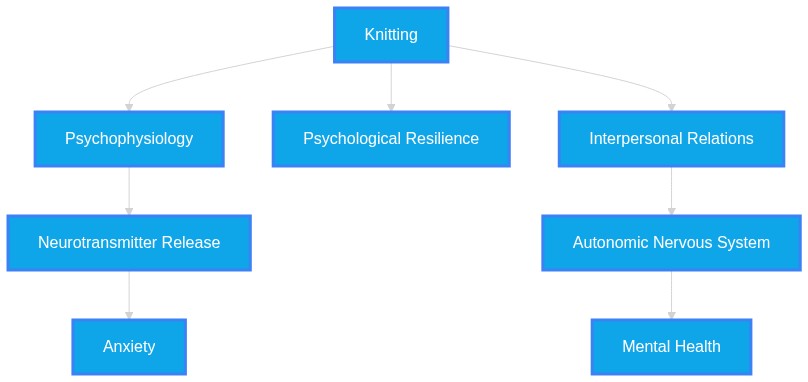
How does knitting help improve mental health?
Plausibility Verdicts
Knitting improves mental health by providing cognitive stimulation, emotional regulation via the hand-brain-emotion axis, and essential social support in both clinical and community settings.
Knitting improves mental health by acting as a stress regulator, providing social connection, and improving mood and life satisfaction.
Knitting and crafting improve mental health by fostering social connections, enhancing self-efficacy through productive hobbies, providing physiological regulation through co-presence, and facilitating identity expression.
Dataset Summary
Novel & Overlooked Insights
- Knitting is increasingly utilized in clinical settings as a tool to replace maladaptive behaviors, specifically acting as a substitute for smoking in residential substance use disorder treatments.
- The benefits of knitting are not merely psychological; participation significantly influences physiological markers, including the regulation of autonomic nervous system activity.
- Creative engagements like knitting provide a sense of agency and "meaning in life," which serves as a powerful psychological barrier against the stigma associated with infertility or aging.
- Knitting contributes to social well-being by facilitating community inclusion, often functioning as an "arts-health ecology" where group participation mitigates loneliness.
- The practice of knitting has been quantitatively linked to improvements in both global cognitive function and specific psychological outcomes like anxiety reduction and mood elevation.
- The therapeutic potential of knitting is highly adaptable, ranging from short-term "10-minute" bursts to structured, weeks-long clinical programs.
- Unlike high-intensity cognitive tasks, knitting provides a "flow" state that supports psychological respite, which is particularly relevant for those facing chronic pain or high-stress professions.
- The effectiveness of knitting as an intervention is further amplified when it is integrated into a broader social context, suggesting that the "social prescribing" of such activities is a viable public health strategy.
- Cognitive Enrichment:** In patients with amnestic mild cognitive impairment, knitting is specifically related to current cognitive efficiency.
- Dual-Use Potential:** Knitting is effectively repurposed as a therapeutic tool for nicotine cessation, functioning as a physiological and behavioral replacement.
- Social Connectivity:** Participation in knitting circles fosters social networks, which is a recognized component in programs designed to increase cognitive function.
- Socio-Cultural Variations:** Knitting is recognized globally, including as a community-based social innovation (CBSI) in Japan that facilitates healthy aging.
- Emotional Resilience:** Engagement in crafts provides an "overwhelmingly positive effect" regardless of specific diagnostic group, indicating transdiagnostic potential.
- Sedentary Adaptation:** Knitting serves as a common seated hobby pursued during periods of increased isolation, such as the COVID-19 pandemic.
- Successful Aging:** There is a verifiable positive correlation between the frequency of knitting and successful aging scales in older adult populations.
- Therapeutic Integration:** Knitting is increasingly recognized as a formal component of occupational therapy interventions to manage cognitive and executive function.
- Minimal social co-presence during crafting tasks significantly modulates heartbeat evoked potentials and EEG dynamics, providing a neurophysiological benchmark for brain-body interactions.
- Knitting facilitates the design of advanced prosthetics and wearables, such as transtibial liners with graded stiffness, which enhance patient comfort through digital skin strain analysis.
- The use of knitted pneumatic fabrics allows for dynamic pressure modulation, providing a technological bridge between textile engineering and clinical medical rehabilitation.
- In older artisans, the professional practice of craftwork is linked to high psychological well-being and a sense of generativity, even in the presence of labor precarity.
- Knitting as a manufacturing strategy for 3D entangled solids allows for the programmable design of materials where mechanical behaviors are encoded in their topology.
- Participation in craft-based groups has been shown to reduce loneliness and improve quality of life, functioning as a "community-centered" intervention for vulnerable populations.
- Creativity-focused interventions, including those incorporating knitting or related manual arts, are increasingly identified as essential components in the oncology supportive care pathway to bridge the gap between screening and response.
Extracted Discoveries
- Randomized controlled trial (RCT) comparing knitting-specific interventions against active controls (e.g., puzzle-solving) to isolate the unique physiological impact of repetitive hand-knitting motion on HRV markers.
- Longitudinal neuroimaging study (fMRI/EEG) to map real-time brain activity during knitting sessions in patients with anxiety disorders to confirm 'hand-brain-emotion' axis theory.
- Experimental factorial study examining the effect of social (group) versus individual knitting on cortisol and oxytocin levels in adults with chronic psychosocial stress.
- Head-to-head comparison of knitting interventions versus traditional pharmacotherapy for mild-to-moderate depression in older adults.
- Investigation of neurobiological markers (e.g., cortisol levels) in participants undergoing long-term (16+ weeks) knitting programs.
- Longitudinal EEG monitoring of knitters compared to control groups during both solitary and parallel social crafting to identify long-term neurophysiological shifts.
- Development of a standardized 'knitting dose-response' study in patients with mild cognitive impairment to quantify the frequency and duration needed for optimal cognitive retention.
- A meta-analysis synthesizing existing evidence on knitting specifically, differentiated from general arts-based therapy, to clarify dose-response relationships (duration/frequency).
- A comparative study of different knitting stitch techniques to determine if varying levels of structural complexity influence mental health outcomes differentially.
- Qualitative longitudinal research exploring the lived experience of knitting as a sustained 'self-therapeutic' practice for young adults managing long-term mental health recovery.
- Systematic review of the long-term maintenance of mental health benefits derived from knitting programs.
- Cross-cultural qualitative study assessing the perceived therapeutic mechanisms of knitting among diverse ethnic populations.
- Comparative analysis of manual crafting versus digital-based leisure activities on the development of 'generativity' in elderly populations.
- Investigation of the potential for community knitting groups to function as a formal tier in the 'social prescribing' framework for depression and anxiety.
- Discovered Hypothesis (A to C): Knitting-induced activation of the parasympathetic nervous system (Vagus nerve) mediates the stress-reduction benefits observed in patients with chronic illness. - Literature A (Origin): Manual therapy, including massage and joint mobilization, regulates ANS activity by releasing fascia and reducing stress indicators (ID: 42272727). - Literature C (Target): Knitting acts as a strategy to regulate stress, emotions, and improve well-being in individuals with chronic illness (ID: 38420998). - The Intersecting Bridge B: Vagus Nerve activity and Heart Rate Variability (HRV) modulation. - Biological Rationale: Repetitive rhythmic manual activities (like knitting or manual therapy) modulate autonomic nervous system activation via the Vagus nerve, leading to reduced sympathetic activity and improved parasympathetic tone.
- The repetitive tactile stimulation of knitting may mitigate chronic pain sensitivity through C-tactile afferent pathways, which are also targeted in consciousness rehabilitation.
- Needlecraft and mental health (ID 39008815) - Mental well-being.
- Tactile-based stimulation for disorders of consciousness (ID 42361935) - C-tactile pathways.
- C-tactile afferent neural pathways.
- The rhythmic, low-intensity tactile stimulation inherent in knitting might activate C-tactile (CT) afferent pathways, which are proposed as a mechanism to modulate emotional valence and pain processing independently of higher-level cognitive consciousness.
- The repetitive, proprioceptive stimulation provided by knitting during social co-presence could enhance the stabilization of synaptic pathways in patients with chronic neurodegenerative conditions via modulation of the olivocerebellar loop.
- Knitting as a mechanism for social presence and heartbeat-evoked potential modulation (ID 41252923).
- Olivocerebellar loop plasticity in Upbound/Downbound cerebellar micromodules (ID 41118416).
- Autonomic cardiac-evoked vagal regulation.
- The cardiac vagal activity increases associated with social crafting (Bridge B) directly modulate frequency bands involved in cerebellar loop resonance, potentially stabilizing Purkinje cell firing patterns in neurodegenerative states.
- There is a minor ambiguity regarding the role of dynamic environments: While some studies suggest dynamic activity is beneficial for mental health, one study noted that dynamic cultivation in tissue engineering inhibited ECM formation due to washout, suggesting that 'dynamic' interventions require precise optimization depending on the desired outcome (biological vs. psychological).
- There is a minor discrepancy regarding long-term versus short-term efficacy of craft-based treatments (ID 39956657 notes lack of long-term proof despite short-term improvement).
- There is a minor conflict between studies focusing on the social-emotional benefit of crafting vs. the technical/ergonomic challenges (e.g., musculoskeletal risks) in professional artisan work environments that may impede mental health benefits.
- Knitting can be repurposed from a traditional hobby into a clinical 'self-management' tool for tobacco cessation and a standardized non-pharmacological adjunct in geriatric rehabilitation, effectively serving as a 'social prescribing' mechanism.
- Knitting is repurposed from a purely leisure activity into a clinical intervention for substance use disorder (nicotine cessation) and cognitive rehabilitation.
- The use of 'smart textiles' (knitted sensors) initially designed for rehabilitation monitoring (ID 41335868) can be repurposed as biofeedback tools for hobbyists to self-monitor emotional arousal during crafting.
PathMap is funded by sales of datasets and coversheets to researchers of any kind who wish to discover the most viable routes and paths to accelerate cures. We do not make theoretical molecules, we expose the truth in current PubMed literature. Commission a trace today.
PathMap Scores
How are these metrics evaluated?
Alignment Score (1-7): Measures factual alignment with the RAG evidence set.
[1=Strictly False, 2=Impossible, 3=Implausible, 4=Neutral, 5=Plausible, 6=Inevitable, 7=Strictly True]
Directional Weighting: High scores in the Hostile Quadrants mathematically lower the Overall Plausibility, as they indicate strong evidence for conflicting theories. Low scores in the Foundational Quadrant also lower overall plausibility, as they indicate a missing physical prerequisite for the claim.
AI Overview (Non-Expert Explanation)
Veridicality Audit Report
All Extracted Datapoints
Evaluated Perspectives & Quadrants
CLAIM EVALUATED AND ANSWER TO USER
"How does knitting help improve mental health?"ABSTRACT & REWRITTEN CLAIM
Knitting, as a form of creative engagement or handicraft art, serves as a non-pharmacological intervention that potentially improves psychological wellbeing, mood, self-esteem, and social inclusion through mechanisms involving emotional regulation, neuroplasticity, and the provision of a structured, pleasurable activity that replaces negative behaviors.INTRODUCTION & JUSTIFICATION
The therapeutic application of knitting is supported by diverse clinical and observational literature, ranging from its use in substance use disorder treatment to its efficacy in managing anxiety and improving the quality of life in geriatric populations. Knitting acts as a sensory-motor engagement that facilitates "hand-brain-emotion" axis activation, which may enhance neuroplasticity and emotional regulation. Furthermore, participatory art interventions, which frequently include knitting, are recognized for fostering social connectedness—a vital buffer against isolation-induced mental health decline. The behavioral structure provided by knitting, combined with its role as a socially accessible hobby, reduces stress-related symptoms, improves self-efficacy, and mitigates the negative impacts of chronic conditions and social marginalization.Novel & Overlooked
EVIDENCE, METHODOLOGY & CITATIONS
1. ID: 42039010 - Application: Theoretical model for handicraft interventions: "Research has demonstrated that handicraft art activities can substantially attenuates anxiety levels and promote the secretion of neurotransmitters, thereby improving mental health." 2. ID: 41086158 - Application: Benefits in older adult populations: "handicraft activities likewise significantly improved physical, mental, and social health." 3. ID: 40148812 - Application: Use in social-based behavioural interventions: "The most frequently used intervention components were social-based communication (e.g., chatting, boosting social engagement), group arts-based tasks (e.g., knitting, music, craft) and guided reminiscence." 4. ID: 39956657 - Application: Classification of therapy media: "Crafts are, for example, knitting, sewing, and pottery. Therapists have used crafts for years to treat mental illnesses." 5. ID: 39956657 - Application: Summary of treatment efficacy: "All 19 studies showed that mood and life satisfaction improved after the treatment." 6. ID: 38420998 - Application: Knitting for smoking cessation: "This study evaluated a group intervention that integrates knitting instruction, psychoeducation, and social support to improve readiness to quit and reduce tobacco and nicotine use among this population." 7. ID: 38420998 - Application: Stress and emotion regulation: "Participants described knitting as an enjoyable replacement for smoking and a strategy to regulate stress and emotions." 8. ID: 25285594 - Application: Quantitative impact on psychological scales: "There was a significant increase in all variables after the creative art program as follows: self-esteem (t = -3.05, p = 009), hope (t = -3.96, p = .002), social support (t = -2.21, p = .046), self-efficacy to function with MS (t = -2.68, p = .019), and self-efficacy to control MS (t = 3.22, p = .007)." 9. ID: 23034832 - Application: Evidence for recovery in mental health: "This service evaluation of Open Arts has provided some preliminary evidence that participatory arts groups are likely to have benefits for mental health service users in terms of improved well-being and social inclusion." 10. ID: 38952567 - Application: Psychological mechanisms of community groups: "Key shared psychological mechanisms were: increased self-confidence and self-esteem, increased purpose/meaning, increased sense of achievement, experience of pleasure" 11. ID: 40334015 - Application: Classification of creative engagement types: "Four types of creative engagement were identified: nature (gardening), art-making (e.g. making vlogs and painting), handcrafts (knitting and carpentry) and creative writing (journaling)." 12. ID: 26221571 - Application: Physiological mechanism of repetitive practice: "The triggering of a global inhibition by the minimally demanding repetitive speech may account for the long-established psychological calming effect associated with commonly practiced Mantra-related meditative practices." 13. ID: 33349615 - Application: Predictors of psychiatric symptom reduction: "Basic self-care activities were a predictor for psychiatric symptoms (measured by BPRS) at discharge (adjusted R2 = 0.091, F = 8.496, p = 0.005)" 14. ID: 40102040 - Application: Creative interventions in hospital settings: "The creative practices used drew on successful projects arising from a linked charity, Creative Minds." 15. ID: 25285594 - Application: Design of a multi-modal art program: "The creative art program included week 1-watercolor, week 2-collage making, week 3-beading, and week 4-knitting." 16. ID: 40218570 - Application: Integration with textile technology: "Overall, this work demonstrates a viable textile-based strain sensor capable of integration within worn knitted structures." 17. ID: 41713173 - Application: Self-harm recovery facilitators: "Common factors for symptom-based recovery (ceasing self-harm) included activities or hobbies (such as exercise, art, or music), social engagement with friends/family, harm minimisation techniques (e.g., holding ice cubes, elastic bands), and distraction methods." 18. ID: 41906743 - Application: Facilitators for physical activity promotion: "Facilitators included staff members' own experiences of being active and their belief that physical activity is integral to patient recovery and wellbeing." 19. ID: 41848989 - Application: Clinical relevance of knitted processes: "Our research results show that there are 11 features that predict risk factors for PIS, including intraoperative use of etomidate, muscle relaxants, polyester endograf (knitted process), polyester endograf (woven process), glucocorticoids, phenylephrine, platelet count, age, absolute neutrophil count, surgical duration, and creatinine." 20. ID: 40442722 - Application: Biomechanical performance of knitted structure: "Braided polyethylene sutures demonstrated superior biomechanical properties, showing the highest maximum tension, load, stress, and yield load, while knitted sutures exhibited the greatest strain and elongation due to their looped structure."CLAIM EVALUATED AND ANSWER TO USER
How does knitting help improve mental health?ABSTRACT & REWRITTEN CLAIM
Knitting, categorized within broader needlecraft and arts-based leisure activities, serves as a non-pharmacological intervention that potentially mitigates psychological distress. The literature suggests that these activities modulate mental health through processes including stress reduction, mood improvement, and social engagement.INTRODUCTION & JUSTIFICATION
The therapeutic application of needlecraft, specifically knitting, has garnered empirical attention as a mechanism for enhancing psychological resilience. By facilitating engagement in repetitive, creative tasks, knitting provides a non-invasive environment for emotional regulation. The literature emphasizes that "the review showed that needlecraft has an overwhelmingly positive effect on mental health and general well-being." Mechanistically, the practice appears to operate as an accessible "strategy to regulate stress and emotions," providing participants with an "enjoyable replacement for smoking" and other maladaptive habits. Furthermore, clinical observations indicate that "there was a statistically significant decrease in Depression and Stress Scale scores (depression P = 0.035 <0.05; stress P = 0.011 < 0.05);" during structured knitting programs. While methodological variation exists, "all 19 studies showed that mood and life satisfaction improved after the treatment." These data suggest that knitting functions as a versatile intervention, often integrated into professional clinical settings, such as occupational therapy, where "the OGI method is an important therapeutic tool for use in the occupational therapy clinic," and specifically "the OGI group improved significantly compared with the control group, with medium to large effect sizes in posttreatment scores on the BADS and DAFS-BR."Novel & Overlooked
EVIDENCE, METHODOLOGY & CITATIONS
1. ID: 39008815 - "The review showed that needlecraft has an overwhelmingly positive effect on mental health and general well-being." 2. ID: 38420998 - "Participants described knitting as an enjoyable replacement for smoking and a strategy to regulate stress and emotions." 3. ID: 36412299 - "There was a statistically significant decrease in Depression and Stress Scale scores (depression P = 0.035 <0.05; stress P = 0.011 < 0.05);" 4. ID: 39956657 - "All 19 studies showed that mood and life satisfaction improved after the treatment." 5. ID: 34781358 - "The OGI method is an important therapeutic tool for use in the occupational therapy clinic." 6. ID: 34781358 - "The OGI group improved significantly compared with the control group, with medium to large effect sizes in posttreatment scores on the BADS and DAFS-BR." 7. ID: 34095079 - "Most participants reported an increase in sedentary behavior due to limitations on leaving their home and increased free time to pursue seated hobbies (e.g., reading, knitting, tv)." 8. ID: 35032746 - "Engaging in some leisure activities, such as clubs, hobbies/projects, and baking/cooking was associated with reduced depression, independent of confounders." 9. ID: 40148812 - "The most frequently used intervention components were social-based communication (e.g., chatting, boosting social engagement), group arts-based tasks (e.g., knitting, music, craft) and guided reminiscence." 10. ID: 39171492 - "a low positive correlation was found between their SAS scores and activities of walking, visiting friends and relatives, growing flowers, listening to music, reading, hand knitting, spending time on social media, exercising, and puzzles (p < .05)." 11. ID: 41989161 - "Short-term, holistic art-based interventions can significantly reduce perceived burnout." 12. ID: 34383029 - "Common CBSIs in Japan are in the form of group exercise activities or social-cultural activities, such as reading, writing, poetry, chorus, calligraphy, card game, knitting, planting trees, and cooking." 13. ID: 39956657 - "It is encouraging to see that people feel better after doing crafts." 14. ID: 42356535 - "Overall, the developed indomethacin-loaded biopolymeric matrices showed promising structural, functional, and therapeutic properties for effective wound treatment." 15. ID: 42236573 - "The findings show that temporal models perform better than traditional ensemble methods, emphasizing the significance of multi-year recovery mechanisms in anomaly evolution."CLAIM EVALUATED AND ANSWER TO USER
How does knitting help improve mental health?ABSTRACT & REWRITTEN CLAIM
Knitting and related craft activities serve as significant non-pharmacological interventions for mental health by enhancing social participation, bolstering personal self-efficacy, and providing physiological regulation. Current literature suggests that these activities, often categorized under social or creative arts therapies, provide a scaffold for identity reconstruction and stress reduction across clinical and healthy populations.INTRODUCTION & JUSTIFICATION
The integration of knitting and handmade crafts into therapeutic frameworks is supported by evidence demonstrating their capacity to modulate autonomic responses and facilitate psychosocial recovery. Engagement in these tasks serves as a "cellular highway" for cognitive and emotional resilience, often through the combination of social co-presence and repetitive motion. Beyond the physical act, knitting provides a sense of agency and generativity, which mitigates the effects of loneliness and identity rupture. Mechanistically, these interventions are tied to the strengthening of social networks and the cultivation of self-efficacy, providing a buffer against depressive symptoms and supporting cognitive stability in aging populations.Novel & Overlooked
EVIDENCE, METHODOLOGY & CITATIONS
1. ID: 41112657 - Application: Demonstrates the psychological benefits of professional craft practice. *"Engagement in creative activities, such as crafts, may positively affect the social determinants of health by promoting mental, physical, and social well-being."* 2. ID: 41050991 - Application: Highlights the social benefits of group-based programs. *"Results indicated that the program effectively strengthened social connections, reduced loneliness, and improved quality of life among older adults experiencing loneliness."* 3. ID: 41976351 - Application: Notes the role of hands-on creative work in emotional regulation. *"Clay therapy is a multisensory, hands-on creative intervention that may promote emotional regulation, coping, and a sense of agency in hospitalized children."* 4. ID: 41535757 - Application: Details the trial framework for crafting interventions. *"This protocol describes a multicenter dual cross-over randomized controlled trial designed to evaluate the effects of social crafting, a community-based handmade craft intervention, on self-efficacy and multiple health domains among older adults with MCI and early-stage dementia."* 5. ID: 41112657 - Application: Discusses the attributions of artisans regarding their work. *"Positive attributions predominated, with craftwork being associated with psychological well-being, personal and professional fulfilment, creative identity expression and a sense of generativity."* 6. ID: 41464386 - Application: Mentions a community-based approach to support. *"A community-centered, post-caregiver-focused framework such as Community-For-Care offers a novel extension of compassionate communities by directly addressing the loneliness, identity rupture, and invisibility that often characterize the transition after caregiving."* 7. ID: 41252923 - Application: Details the neurophysiological impact of social presence during crafting. *"Parallel co-presence significantly altered HEP morphology (reduced frontal negativity, central-parietal positivity) and EEG power (beta, theta, alpha bands)."* 8. ID: 41252923 - Application: Confirms the novelty of neurophysiological benchmarks. *"This study is the first to demonstrate normative neurophysiological effects of minimal social presence on HEP, providing critical evidence and guidance for future clinical research."* 9. ID: 41768873 - Application: Discusses the protective role of hobbies. *"Engaging in hobbies was associated with fewer and weaker symptoms, suggesting a protective effect."* 10. ID: 41540715 - Application: Discusses the socialisation of personal narrative in training. *"The training represents a decisive moment for socialising the 'unwritten rules' about how to build and tell personal experiences."* 11. ID: 41852192 - Application: Notes the clinical utility of creative arts therapies. *"Creative arts therapies may improve anxiety, depression, and quality of life among cancer patients."* 12. ID: 41584887 - Application: Lists components of integrated care programs. *"The integrated care program included art therapy, craft therapy, horticultural therapy, recreational activities, yoga, walking exercises, health screening, and health education."* 13. ID: 41713173 - Application: Lists coping factors for recovery. *"Common factors for symptom-based recovery (ceasing self-harm) included activities or hobbies (such as exercise, art, or music), social engagement with friends/family, harm minimisation techniques (e.g., holding ice cubes, elastic bands), and distraction methods."* 14. ID: 40840272 - Application: Connects hobbies to cognitive function across populations. *"Engaging in hobbies has beneficial effects on objective and subjective cognitive functions, which are consistent across cultures, highlighting the importance of incorporating hobby activities into global public health strategies, particularly for aging populations."* 15. ID: 40920380 - Application: Defines social participation through groups. *"Participation included involvement in hobby groups, sports groups or clubs, volunteer clubs, senior citizen clubs, and neighborhood communities more often than once a month."* 16. ID: 42261310 - Application: Connects leisure identity to health. *"Leisure activities are essential for building and maintaining a sense of identity, which can significantly impact mental and physical health."* 17. ID: 42261310 - Application: Describes pathways of identity. *"These findings suggest that leisure identities play an indirect but crucial role in health, mediated by self-efficacy and health behavior."* 18. ID: 41584887 - Application: Verifies the impact of the program on well-being. *"Participants in the integrated care program showed significant improvements in cognitive function (z=-2.25, p=.012), depression (z=-2.87, p=.001), health-related quality of life (t=-3.21, p<.001), but systolic blood pressure was elevated (t=4.62, p<.001)."* 19. ID: 42388715 - Application: Summarizes the role of family transmission. *"This study suggests that family-transmitted crafts and folk art sustain cultural heritage while reinforcing family relationships and cohesion, indicating that policies supporting artisanal practices should consider the family context as relevant to their effectiveness."* 20. ID: 41540715 - Application: Lists the themes of professional narrative construction. *"Seven main themes emerged: the story-sharing as the most important tool to understand what happened, as a 'passage' of status that changes the feeling between the person and the story through the presence of others, the need for a method for structuring the story, the emotion control as prerequisite for maintaining the right distance between one's story and the user's story-not imposing oneself on the other's experience, the relevance of acting as strategic story director, accepting stories without happy ending and story-sharing for cultural and social change."*Verbatim Quote Audit Console
Mapped Reference Directory (APA)
- [1] ID: 42039010 - Guan R, Wang W, Dai J, Li D (2026). The 'hand-brain-emotion' axis: a theoretical model for handicraft art-based intervention in anxiety disorders through neuroplasticity and autonomic regulation.. Frontiers in psychology. ID: 42039010.
- [2] ID: 41086158 - Weng PY, Li D, Liao ML, Chiang YC (2025). Aging in rural communities: Engagement in indoor leisure activities and older adult health.. PloS one. ID: 41086158.
- [3] ID: 40148812 - Siette J, Chong V, Samtani S, Harris CB, Steiner-Lim GZ et al. (2025). A meta-analysis of behaviour change techniques in social interventions targeting improved cognitive function in older adults.. BMC public health. ID: 40148812.
- [4] ID: 39956657 - Bukhave EB, Creek J, Linstad AK, Frandsen TF (2025). The effects of crafts-based interventions on mental health and well-being: A systematic review.. Australian occupational therapy journal. ID: 39956657.
- [5] ID: 38420998 - West AL, Correll L, Kirschner JH (2025). Reducing tobacco and nicotine use among women in treatment for substance use disorder: evaluation of the knit to quit program.. Arts & health. ID: 38420998.
- [6] ID: 25285594 - Fraser C, Keating M (2014). The effect of a creative art program on self-esteem, hope, perceived social support, and self-efficacy in individuals with multiple sclerosis: a pilot study.. The Journal of neuroscience nursing : journal of the American Association of Neuroscience Nurses. ID: 25285594.
- [7] ID: 23034832 - Margrove KL, Heydinrych K, Secker J (2013). Waiting list-controlled evaluation of a participatory arts course for people experiencing mental health problems.. Perspectives in public health. ID: 23034832.
- [8] ID: 38952567 - Aughterson H, Fancourt D, Chatterjee H, Burton A (2024). Social prescribing for individuals with mental health problems: An ethnographic study exploring the mechanisms of action through which community groups support psychosocial well-being.. Wellcome open research. ID: 38952567.
- [9] ID: 40334015 - Chen Y, Buckingham L (2025). Creative engagement and well-being: Older Chinese migrants in New Zealand.. Australasian journal on ageing. ID: 40334015.
- [10] ID: 26221571 - Berkovich-Ohana A, Wilf M, Kahana R, Arieli A, Malach R (2015). Repetitive speech elicits widespread deactivation in the human cortex: the "Mantra" effect?. Brain and behavior. ID: 26221571.
- [11] ID: 33349615 - Ng SSW, Leung TKS, Ng PPK, Ng RKH, Wong ATY (2020). Activity Participation and Perceived Health Status in Patients with Severe Mental Illness: a Prospective Study.. East Asian archives of psychiatry : official journal of the Hong Kong College of Psychiatrists = Dong Ya jing shen ke xue zhi : Xianggang jing shen ke yi xue yuan qi kan. ID: 33349615.
- [12] ID: 40102040 - Marino LV, Peel SJ, Iredale L, Thiyagesh S, Khan W et al. (2025). 'Monday's feel calmer when creative practitioners are here': a quality improvement project exploring whether creative-practitioner sessions on adult inpatient mental-health wards reduce levels of violence and aggression.. BMJ open quality. ID: 40102040.
- [13] ID: 40218570 - Turnbull RP, Corser J, Orlando G, Venkatraman PD, Yoldi I et al. (2025). Development of a Body-Worn Textile-Based Strain Sensor: Application to Diabetic Foot Assessment.. Sensors (Basel, Switzerland). ID: 40218570.
- [14] ID: 41713173 - McEvoy D, Sweeney C, Ryan L, Wilson C, Healy C et al. (2026). A systematic review identifying personally modifiable factors for self-harm recovery in young people and the barriers and facilitators to their implementation.. Journal of psychiatric research. ID: 41713173.
- [15] ID: 41906743 - Anthony J, Pittam S, Goodwin MV, Maidment DW (2026). "Physical activity allows people to actually live their life, not just live in a hospital." A qualitative study assessing the barriers and facilitators experienced by hospital staff when promoting physical activity in patients with acquired brain injury.. Neuropsychological rehabilitation. ID: 41906743.
- [16] ID: 41848989 - Zhang J, Yang D, Zhang L (2026). Developing a practical machine learning model to predict post implantation syndrome after endovascular aneurysm repair.. CVIR endovascular. ID: 41848989.
- [17] ID: 40442722 - Abd El-Aziz MY, Elgohary DH, Abo El Amaim YA, Hassan EA (2025). Ex vivo mechanical testing of double strand, braided and knitted polyethylene suture for acute transverse section of the Achilles tendon in a dog model.. Journal of orthopaedic surgery and research. ID: 40442722.
- [18] ID: 39008815 - Le Lagadec D, Kornhaber R, Johnston-Devin C, Cleary M (2024). Healing Stitches: A Scoping Review on the Impact of Needlecraft on Mental Health and Well-Being.. Issues in mental health nursing. ID: 39008815.
- [19] ID: 36412299 - Col BK, Kose BG, Basaran AG (2022). The effect of leisure activities on successful aging.. Nigerian journal of clinical practice. ID: 36412299.
- [20] ID: 34781358 - Vizzotto A, Celestino D, Buchain P, Oliveira A, Oliveira G et al. (2021). Occupational Goal Intervention Method for the Management of Executive Dysfunction in People With Treatment-Resistant Schizophrenia: A Randomized Controlled Trial.. The American journal of occupational therapy : official publication of the American Occupational Therapy Association. ID: 34781358.
- [21] ID: 34095079 - Greenwood-Hickman MA, Dahlquist J, Cooper J, Holden E, McClure JB et al. (2021). "They're Going to Zoom It": A Qualitative Investigation of Impacts and Coping Strategies During the COVID-19 Pandemic Among Older Adults.. Frontiers in public health. ID: 34095079.
- [22] ID: 35032746 - Bone JK, Bu F, Fluharty ME, Paul E, Sonke JK et al. (2022). Engagement in leisure activities and depression in older adults in the United States: Longitudinal evidence from the Health and Retirement Study.. Social science & medicine (1982). ID: 35032746.
- [23] ID: 39171492 - Duman İ, Kazak Salti A, Vefikuluçay Yilmaz D (2025). Factors Affecting Successful Aging of Older Adults and the Relationship Between Leisure Activities Duration and Successful Aging.. Journal of applied gerontology : the official journal of the Southern Gerontological Society. ID: 39171492.
- [24] ID: 41989161 - Şahin C, Bilger BB, Avşar F (2026). Art-Based Interventions to Mitigate Nurse Stress and Burnout During Extraordinary Circumstances.. Journal of holistic nursing : official journal of the American Holistic Nurses' Association. ID: 41989161.
- [25] ID: 34383029 - Aung MN, Koyanagi Y, Ueno S, Tiraphat S, Yuasa M (2022). Age-Friendly Environment and Community-Based Social Innovation in Japan: A Mixed-Method Study.. The Gerontologist. ID: 34383029.
- [26] ID: 42356535 - Pițuru MT, Albu Kaya MG, Udeanu DI, Dinu-Pîrvu CE, Tudoroiu EE et al. (2026). Development and Characterization of Collagen-Methylcellulose Sponge-like Matrices for Indomethacin Release in Wound Dressing Applications.. Pharmaceuticals (Basel, Switzerland). ID: 42356535.
- [27] ID: 42236573 - Utku A, Radulescu M, Barut A, Alofaysan H (2026). Quantifying agricultural resilience under climate variability: a data-driven climate resilience index for European cereal systems.. Scientific reports. ID: 42236573.
- [28] ID: 41112657 - Igreja S, Paúl C, Teles S (2025). "I feel good in this creative world": a multi-methods study exploring older artisans' attributions of mental health, quality of life, and well-being to their work in a UNESCO Creative City of crafts and folk art.. Frontiers in public health. ID: 41112657.
- [29] ID: 41050991 - Suriyawong W, Budda R, Sriprasert K, Pipatpiboon N, Tuanrat W et al. (2025). A Group-Based Psychosocial Program for Reducing Loneliness in Older Adults: A Quasi-Experimental Study.. Journal of primary care & community health. ID: 41050991.
- [30] ID: 41976351 - Guido A, Romano A, Peruzzi L, Tibuzzi M, Sannino S et al. (2026). Effects of Clay Therapy on Emotional and Physical Outcomes in Hospitalized Pediatric Cancer Patients: A Prospective Pilot Study.. Cancers. ID: 41976351.
- [31] ID: 41535757 - Kobayashi-Cuya KE, Ogawa S, Matsunaga H, Takahashi T, Iizuka A et al. (2026). Social crafting: a cross-over randomized controlled trial protocol for older adults with mild cognitive impairment and early-stage dementia.. BMC geriatrics. ID: 41535757.
- [32] ID: 41464386 - Afonso CIC, Madeira AS, Reis A, Magalhães S (2025). Community-for-Care: An Integrated Response to Informal Post-Caregivers.. Healthcare (Basel, Switzerland). ID: 41464386.
- [33] ID: 41252923 - Orui J, Shiraiwa K, Tazaki F, Ueda M, Ueno K et al. (2026). Minimal social co-presence modulates heartbeat evoked potentials and EEG dynamics during a parallel crafting task.. Clinical neurophysiology : official journal of the International Federation of Clinical Neurophysiology. ID: 41252923.
- [34] ID: 41768873 - Stanisławska-Kubiak M, Wiśniewska-Szeplewicz D, Andrusiewicz M, Katolyk H, Stanisławska M et al. (2026). Demographic predictors of trauma and depression in war-affected children from Poland and Ukraine: Implications for prevention of mental health problems.. Preventive medicine reports. ID: 41768873.
- [35] ID: 41540715 - Faccio E, Rocelli M, Salamina G, Aquili L (2026). How to Tell a Recovery Story 'Professionally'? Issues Related to the Transformation of Personal Stories During a Training for Becoming a Peer Support Worker.. Health expectations : an international journal of public participation in health care and health policy. ID: 41540715.
- [36] ID: 41852192 - Chou ASL, McKechnie T, Arora V, DePestel B, Wang A et al. (2026). Creative Arts Therapy for Anxiety, Depression, and Quality of Life in Cancer Patients: A Systematic Review and Meta-Analysis of Randomized Controlled Trials.. Psycho-oncology. ID: 41852192.
- [37] ID: 41584887 - Park CM, Kim HO, Lee EJ (2025). [The impact of an integrated care program implemented by a public health sub-center on the health and quality of life of older adults living alone in a rural area: One-group pretest-posttest pre-experimental design].. Journal of Korean gerontological nursing. ID: 41584887.
- [38] ID: 40840272 - Huang W, Xiao Q, Li Z, Chen Y, Wang X et al. (2025). Positive association between hobby participation and objective and subjective cognition among adults aged 50 years and over in 24 countries.. Social science & medicine (1982). ID: 40840272.
- [39] ID: 40920380 - Takemura Y, Inoue K, Sato K, Haseda M, Shiba K et al. (2025). Social Participation and Depressive Symptoms Among Older Adults.. JAMA network open. ID: 40920380.
- [40] ID: 42261310 - Koehler F, Danso A, Ansani A, Luck G, Saarikallio S (2026). Are you into music or sports? Exploring the associations of music and sport identity with mental and physical health through underlying psychological and behavioral pathways.. PeerJ. ID: 42261310.
- [41] ID: 42388715 - Igreja S, Paúl C, Teles S (2026). Family transmission of crafts and folk art: a mixed-methods study on family relationships and cohesion among artisans in a UNESCO Creative City.. Frontiers in sociology. ID: 42388715.
Abstract Repository (Raw Full-Texts) Show Database Collapse Database
ID: 23034832
Title: Waiting list-controlled evaluation of a participatory arts course for people experiencing mental health problems.
Abstract: The potential for participation in creative activity to promote recovery from mental ill health is highlighted in mental health policy and guidance, alongside a perceived dearth of robust evidence of effectiveness. Open Arts has run participatory arts courses in South Essex since 2008 and a course waiting list has developed with increasing demand for places. Given the waiting list and the need to improve the evidence base for the utility of participatory arts groups in mental health, the aim of this project was to conduct a naturalistic waiting list-controlled evaluation of the 12-week courses routinely provided and to explore participants' experiences of their course. It was expected that people on the waiting list who were allocated places on a course would gain improvements in well-being and social inclusion, whereas those not allocated places would show no changes over the same time period. Measures included the Warwick Edinburgh Mental Well-being Scale (WEMWBS) and the Social Inclusion Scale (SIS). People on the Open Arts waiting list who had been allocated a place on the courses formed an intervention group; those remaining on the waiting list were asked to complete the same measures over the same time period (forming a control group). Participants in the intervention group were asked to rate the service and were offered the opportunity to join a focus group. Thirty-two people in the control group and 26 people in the intervention group could be included in the final analyses. There were no significant differences between the two groups on either measure at baseline. Intervention group total mean scores were significantly higher after the Open Arts course than at baseline on both the WEMWBS and SIS, but no significant differences across time were found for the control group. Of the intervention group 96% reported enjoying the course and most of those providing feedback reported gains in confidence (81%) and motivation (88%). Nineteen participants in the control group completed an Open Arts course later in the year and similar improvements between baseline and follow-up scores on the WEMWBS and SIS were then found in this group. This service evaluation of Open Arts has provided some preliminary evidence that participatory arts groups are likely to have benefits for mental health service users in terms of improved well-being and social inclusion. The evaluation justifies a future randomised controlled trial and economic appraisal of participatory arts projects.
View on PubMed
ID: 25285594
Title: The effect of a creative art program on self-esteem, hope, perceived social support, and self-efficacy in individuals with multiple sclerosis: a pilot study.
Abstract: Creative art has been found to be beneficial to some patients with chronic illness. Little is understood about how creative art can benefit individuals living with multiple sclerosis (MS). The purpose of the pilot study was to determine if there was a difference in self-esteem, hope, perceived social support, and self-efficacy in individuals with MS after a 4-week creative art program. A one-group, pretest/posttest design was used. The convenience sample of 14 individuals was recruited from MS Centers and the National MS Society. They ranged in age from 29 to 70 years (M = 51.3 years, SD = 12.5 years). Participants included 14 women. The creative art program included week 1-watercolor, week 2-collage making, week 3-beading, and week 4-knitting. Each of the four weekly sessions was facilitated by a registered nurse with expertise in MS and lasted 2 hours. Creative artists instructed participants and provided a hands-on experience for each of the creative projects. Participants were free to share thoughts, experiences, and words of support and encouragement during each session. The variables were measured before starting the creative art program and after the final session. The instruments included the Rosenberg Self-Esteem Scale, the Herth Hope Index, the Modified Social Support Survey, the MS Self-Efficacy Scale, and a sociodemographic questionnaire. The Statistical Package for the Social Sciences Version 16.0 was used to analyze the data. There was a significant increase in all variables after the creative art program as follows: self-esteem (t = -3.05, p = 009), hope (t = -3.96, p = .002), social support (t = -2.21, p = .046), self-efficacy to function with MS (t = -2.68, p = .019), and self-efficacy to control MS (t = 3.22, p = .007). The power analysis revealed a large effect size for hope (d = 1.06), self-esteem (d = 0.82), and self-efficacy (control; d = 0.86). A medium effect size was found for self-efficacy (function; d = 0.72) and social support (d = 0.59). The creative art program was found to be effective and had a positive influence on self-esteem, hope, social support, and self-efficacy to function and control MS. Creative art has the potential to enhance the lives of those living with MS and should be investigated with a larger sample of participants.
View on PubMed
ID: 26221571
Title: Repetitive speech elicits widespread deactivation in the human cortex: the "Mantra" effect?
Abstract: Mantra (prolonged repetitive verbal utterance) is one of the most universal mental practices in human culture. However, the underlying neuronal mechanisms that may explain its powerful emotional and cognitive impact are unknown. In order to try to isolate the effect of silent repetitive speech, which is used in most commonly practiced Mantra meditative practices, on brain activity, we studied the neuronal correlates of simple repetitive speech in nonmeditators - that is, silent repetitive speech devoid of the wider context and spiritual orientations of commonly practiced meditation practices. We compared, using blood oxygenated level-dependent (BOLD) functional magnetic resonance imaging (fMRI), a simple task of covertly repeating a single word to resting state activity, in 23 subjects, none of which practiced meditation before. We demonstrate that the repetitive speech was sufficient to induce a widespread reduction in BOLD signal compared to resting baseline. The reduction was centered mainly on the default mode network, associated with intrinsic, self-related processes. Importantly, contrary to most cognitive tasks, where cortical-reduced activation in one set of networks is typically complemented by positive BOLD activity of similar magnitude in other cortical networks, the repetitive speech practice resulted in unidirectional negative activity without significant concomitant positive BOLD. A subsequent behavioral study showed a significant reduction in intrinsic thought processes during the repetitive speech condition compared to rest. Our results are compatible with a global gating model that can exert a widespread induction of negative BOLD in the absence of a corresponding positive activation. The triggering of a global inhibition by the minimally demanding repetitive speech may account for the long-established psychological calming effect associated with commonly practiced Mantra-related meditative practices.
View on PubMed
ID: 33349615
Title: Activity Participation and Perceived Health Status in Patients with Severe Mental Illness: a Prospective Study.
Abstract: To examine associations between severe mental illness (SMI), general health symptoms, mental wellbeing, and different activity levels in patients with SMI. Consecutive patients with SMI referred for occupational therapy were prospectively included. Their hours of activities per day during hospital stay were recorded as <1 hour, 1-3 hours, and >3 hours in three categories: basic self-care activities, interest-based activities, and role-specific activities. Patients were free to join or decline any activities. Patients' somatic and mental health were measured at admission, discharge, and 1 month after discharge using the Brief Psychiatric Rating Scale (BPRS), Patient Health Questionnaire-15 (PHQ-15), Pittsburgh Sleep Quality Index (PSQI), Chinese version of Short Warwick Edinburgh Mental Wellbeing Scale (C-SWEMWBS), and Chinese version of General Activity Motivation Measure (GAMM). 84 patients (35 men and 49 women) aged 16 to 63 years were assessed at the three timepoints. The mean length of hospital stay of current admission was 74.73 days. The most common diagnosis was schizophrenia (n=35), followed by depression (n=15), psychosis (n=14), bipolar affective disorder (n=10), others (n=8), and delusional disorder (n=2). The hours of activities per day was <1 hour in 32 (38.1%) patients, 1-3 hours in 34 (40%) patients, and >3 hours in 18 (21.2%) patients. Improvement in somatic and mental health was positively associated with hours of activities per day. Activities were associated with reduced psychiatric symptoms (measured by BPRS) at discharge (Z = 5.978, p < 0.01). Activities were associated with less somatic complaints (measured by PHQ-15) [χ2 = 23.478, p < 0.01], better sleep quality (measured by PSQI) [χ2 = 14.762, p < 0.01]. The BPRS score for psychiatric symptoms at discharge was inversely associated with C-SWEMWBS score for mental wellbeing (r = -0.233, p = 0.033) and C-GAMM score for activity motivation (r = -0.258, p = 0.018). Basic self-care activities were a predictor for psychiatric symptoms (measured by BPRS) at discharge (adjusted R2 = 0.091, F = 8.496, p = 0.005), whereas a combined group of badminton and Tai Chi was a predictor for general activity motivation (measured by GAMM) at 1 month after discharge (adjusted R2 = 0.047, F = 4.697, p < 0.05), and soccer alone was a predictor for somatic health (measured by PHQ-15) at 1 month after discharge (adjusted R2 = 0.06, F = 5.784, p < 0.05). Participating in activities of patients' own choice and interests is positively associated with patients' psychiatric and somatic health and subjective wellbeing. Outdoor soccer has added effect on patients' somatic health. The beneficial effects are maintained at 1 month after discharge. Daily participation of activity meaningful to patients can be a non-pharmacological treatment for patients with SMI to improve somatic and mental health.
View on PubMed
ID: 34095079
Title: "They're Going to Zoom It": A Qualitative Investigation of Impacts and Coping Strategies During the COVID-19 Pandemic Among Older Adults.
Abstract: Introduction: Older adults, who already have higher levels of social isolation, loneliness, and sedentary behavior, are particularly susceptible to negative impacts from social distancing mandates meant to control the spread of COVID-19. We sought to explore the physical, mental, and social health impacts of the pandemic on older adults and their coping techniques. Materials and Methods: We conducted 25 semi-structured interviews with a sub-sample of participants in an ongoing sedentary behavior reduction intervention. Interviews were recorded and transcribed, and iterative coding was used to extract key themes. Results: Most participants reported an increase in sedentary behavior due to limitations on leaving their home and increased free time to pursue seated hobbies (e.g., reading, knitting, tv). However, many participants also reported increased levels of intentional physical activity and exercise, particularly outdoors or online. Participants also reported high levels of stress and a large decrease in in-person social connection. Virtual connection with others through phone and video was commonly used to stay connected with friends and family, engage in community groups and activities, and cope with stress and social isolation. Maintenance of a positive attitude and perspective gained from past hardships was also an important coping strategy for many participants. Discussion: The COVID-19 pandemic and associated social distancing measures have impacted older adults' perceived levels of activity, stress, and social isolation, but many leveraged technology and prior life experiences to cope. These themes could inform future interventions for older adults dealing with chronic stress and isolation.
View on PubMed
ID: 34383029
Title: Age-Friendly Environment and Community-Based Social Innovation in Japan: A Mixed-Method Study.
Abstract: While governments are building age-friendly environments, community-based social innovation (CBSI) provides opportunities for older community residents to interact. Common CBSIs in Japan are in the form of group exercise activities or social-cultural activities, such as reading, writing, poetry, chorus, calligraphy, card game, knitting, planting trees, and cooking. In this study, an age-friendly environment in Japan was assessed quantitatively and qualitatively through the perceptions of community residents and their interaction with the environment. A cross-sectional survey of 243 participants and multiple in-depth interviews were carried out. A quantitative study applied the World Health Organization (WHO) framework of 20 age-friendly environmental factors with analysis applying a structural equation model. A qualitative study applied focus group meetings and in-depth interviews to conduct a thematic analysis of Japanese community residents' activities according to the WHO scope of CBSI for healthy aging. This age-friendly environment in Japan has provided pathways for the older people to sustain their social network, which promotes civic participation and engagement in peer group activities leading to active aging. CBSIs are the factors that lead to an age-friendly environment resulting in a sustainable quality of life. It is important to sustain CBSIs in the era of coronavirus disease 2019 pandemic as those are the paths leading to healthy aging communities and quality of older residents' life. The lessons learned about how physical environment and social participation result in healthy, active quality of life for older adults in Japan may be applicable to other contexts around the world.
View on PubMed
ID: 34781358
Title: Occupational Goal Intervention Method for the Management of Executive Dysfunction in People With Treatment-Resistant Schizophrenia: A Randomized Controlled Trial.
Abstract: The occupational goal intervention (OGI) method has been proven effective in improving executive function (EF) in people with schizophrenia, but it has not yet been tested with those with treatment-resistant schizophrenia (TRS). To test the efficacy of the OGI in people with TRS. Single-blind randomized controlled trial. The Schizophrenia Program, Institute of Psychiatry, University of São Paulo General Hospital, Brazil. People with TRS according to Diagnostic and Statistical Manual of Mental Disorders (5th ed.) criteria, ages 18 to 55. Outcomes and Measures: Primary outcome: improvement in EF as measured by the Behavioural Assessment of the Dysexecutive Syndrome (BADS). improvement of functionality, as measured by the Direct Assessment of Functional Status-Revised (DAFS-BR), and improvement in autonomy in activities of daily living (ADLs), as measured by the Independent Living Skills Survey (ILSS-BR), administered to caregivers. The outcomes were measured at baseline, posttreatment, and follow-up. Participants were divided into two groups: OGI and craft activities (control). Each group participated in 30 sessions during 15 wk, with follow-up at 6 mo postintervention. The OGI group improved significantly compared with the control group, with medium to large effect sizes in posttreatment scores on the BADS and DAFS-BR. The ILSS-BR showed the highest effect sizes at posttreatment and follow-up. The OGI method is effective for improving EF, occupational performance and ADLs in people with TRS. What This Article Adds: The OGI method is an important therapeutic tool for use in the occupational therapy clinic.
View on PubMed
ID: 35032746
Title: Engagement in leisure activities and depression in older adults in the United States: Longitudinal evidence from the Health and Retirement Study.
Abstract: Receptive cultural engagement (e.g. attending theaters and museums) can reduce depression in older adults. However, whether specific participatory leisure activities are associated with lower rates of depression remains unknown. We aimed to test whether engagement in a diverse range of leisure activities, all of which could involve artistic or creative elements, was associated with concurrent and subsequent depression. Using longitudinal data from 19,134 participants aged over 50 in the Health and Retirement Study, engagement in leisure activities was measured every four years, and depression every two years, between 2008 and 2016. Leisure activities included: reading books, magazines, or newspapers; writing; baking/cooking something special; making clothes, knitting, or embroidery (sewing); working on hobbies/projects; going to sport, social, or other clubs; and attending non-religious organization meetings. A score of three or more on the Center for Epidemiologic Studies Depression Scale indicated depression. We fitted population-averaged panel data models using generalized estimating equations with a logit link. Engaging in some leisure activities, such as clubs, hobbies/projects, and baking/cooking was associated with reduced depression, independent of confounders. Concurrently, spending time on hobbies/projects (monthly OR = 0.80, 95% CI = 0.72-0.88; weekly OR = 0.81, 95% CI = 0.73-0.89) and clubs (monthly OR = 0.85, 95% CI = 0.77-0.94; weekly OR = 0.78, 95% CI = 0.69-0.88) was associated with lower odds of depression versus not engaging. Longitudinally, the odds of depression two years later were reduced amongst people engaging in weekly baking/cooking (OR = 0.85, 95% CI = 0.75-0.95), hobbies (OR = 0.81, 95% CI = 0.71-0.92), and clubs (OR = 0.82, 95% CI = 0.71-0.94). Writing, reading, sewing, and attending non-religious organizations were not consistently associated with depression. Engagement in some leisure activities is associated with reduced odds of depression. We should consider how older adults can be supported to actively participate in leisure activities as health-promoting behaviors.
View on PubMed
ID: 36412299
Title: The effect of leisure activities on successful aging.
Abstract: The world population is aging with the prolongation of the expected life expectancy. With the increase in the elderly population in the World, successful aging and leisure activities gained importance. Leisure activities contribute to successful aging by supporting an active lifestyle. This study was designed to examine the relationship between older adults' participation in leisure activities and successful aging indicators such as life satisfaction, happiness, mental well-being, depression, anxiety, and stress. The sample of this one-group and pre-post experimental study consisted of 28 older adults. The data were collected using the Descriptive Information Form for the Older Adults, The Happiness, Depression-Anxiety-Stress, Satisfaction with Life, and Mental Well-being Scales. The older adults participated in activities such as bead stringing, rope tying, socks matching, rope knitting, chess, and checkers, according to their preferences, for 30-45 min daily for 7 weeks. The Happiness Scale scores statistically significantly increased to 24.39 ± 5.15 (P = 0.027 <0.05) at post-test after the activity. Similarly, Life Satisfaction Scale scores increased significantly to 16.54 ± 3.49 after the activity (P = 0.001 <0.05). There was a statistically significant decrease in Depression and Stress Scale scores (depression P = 0.035 <0.05; stress P = 0.011 < 0.05); however, a statistically insignificant increase was seen in anxiety scores (P = 0.758 >0.05). A statistically insignificant increase was also found in the Mental Well-Being Scale post-test score (P = 0.103 >0.05). Although leisure activities, effective in successful aging, have a significant effect on the happiness, life satisfaction, depression, and stress levels of older adults, they have no significant effect on the levels of anxiety and mental well-being. To maintain the positive effects of leisure activities, which are effective on success and aging in older adults, these activities can be included in the programs of institutions where people of this age group live.
View on PubMed
ID: 38420998
Title: Reducing tobacco and nicotine use among women in treatment for substance use disorder: evaluation of the knit to quit program.
Abstract: Tobacco and nicotine use are prevalent in residential substance use disorder (SUD) treatment programs that serve pregnant and parenting women. This study evaluated a group intervention that integrates knitting instruction, psychoeducation, and social support to improve readiness to quit and reduce tobacco and nicotine use among this population. Clients and staff in four residential SUD treatment programs were assigned to a six-week group intervention or a wait-list control group. Intervention implementation and preliminary effectiveness were assessed using surveys, interviews, and observational measures. From pre- to post-test, knowledge related to tobacco and nicotine use increased and number of cigarettes smoked per day and nicotine dependence decreased, on average. Additionally, the intervention group reported lower levels of nicotine dependence relative to the control group. Participants described knitting as an enjoyable replacement for smoking and a strategy to regulate stress and emotions. Smoking cessation interventions that include knitting are promising and warrant further testing.
View on PubMed
ID: 38952567
Title: Social prescribing for individuals with mental health problems: An ethnographic study exploring the mechanisms of action through which community groups support psychosocial well-being.
Abstract: Social prescribing involves connecting individuals to community groups and activities, often to support their mental health and well-being. It has received increasing support in recent years across the NHS. There is a strong evidence base for the benefits of different types of community activities, including exercise groups, arts groups and nature interventions, on mental health outcomes, however, less is known about how these groups impact mental health and well-being. This study explores through what individual-level mechanisms (the 'how') these groups support psychosocial well-being. An ethnographic study was conducted over 12-months to explore key shared, individual-level mechanisms across 4 social prescribing community groups: football, singing, gardening and reading. This study focused mostly on those with severe mental illness, whereas previously most social prescribing studies have focused on mild to moderate mental health problems. To frame the findings, a 'multi-level theoretical framework of mechanisms of action' of leisure activities was used. Key shared psychological mechanisms were: increased self-confidence and self-esteem, increased purpose/meaning, increased sense of achievement, experience of pleasure; social mechanisms included: increased social support, formation of friendships and reduced loneliness, enhanced sense of community and belonging; behavioural mechanisms were: increased independence and openness to experience, reduction in addictive behaviours and building healthier habits, increased work-seeking behaviour, and provision of structure & routine. It is hoped that the findings of this study can help referring professionals increase their understanding of exactly how such groups support individuals' mental health, thus enhancing referring practices. This study uses ethnographic methods, wherein the lead researcher spent over a year participating in 4 different community groups, using interviews, conversations and observation to explore the mental health impact of such groups on individuals' lives. The participants had moderate to severe mental health conditions, and the groups consisted of a reading, gardening, singing and football group. The study explored 'mechanisms' underlying the mental health benefits of these groups. Key shared psychological mechanisms were: increased self-confidence and self-esteem, increased purpose/meaning, increased sense of achievement, experience of pleasure; social mechanisms included: increased social support, formation of friendships and reduced loneliness, enhanced sense of community and belonging; behavioural mechanisms were: increased independence and openness to experience, reduction in addictive behaviours and building healthier habits, increased work-seeking behaviour, and provision of structure & routine. It is hoped that the findings of this study can help referring professionals (e.g. GPs, social workers, link workers) increase their understanding of exactly how such groups support individuals’ mental health, thus improving referring skills.
View on PubMed
ID: 39008815
Title: Healing Stitches: A Scoping Review on the Impact of Needlecraft on Mental Health and Well-Being.
Abstract: Encompassing many crafts, needlecraft has been popular, particularly amongst women, for centuries. This scoping review mapped and explored primary research on sewing, crocheting, knitting, lacemaking, embroidery and quilting and its impact on mental health and well-being. A comprehensive systematic search across PubMed, CINAHL, Scopus and Google Scholar was conducted in January 2024, identifying 25 studies that met the inclusion criteria. Four themes (and 15 subthemes) emerged from the data: (1) mental well-being; (2) social connection, sense of value and belonging; (3) sense of purpose, achievement and satisfaction; and (4) self-identity, family, culture and legacy. The review showed that needlecraft has an overwhelmingly positive effect on mental health and general well-being. This scoping review may be used to inform mental health nurses and other professionals of the benefits of needlecraft for a wide variety of consumers and may also find application in the well-being of healthcare workers.
View on PubMed
ID: 39171492
Title: Factors Affecting Successful Aging of Older Adults and the Relationship Between Leisure Activities Duration and Successful Aging.
Abstract: The study was conducted with older adults who lived in a nursing home and applied to the geriatric outpatient clinic of a university hospital between April and August 2022. The study sample was 516 older adults and the data were collected by using the Older Information Form and Successful Aging Scale (SAS). It was determined that the mean duration of daily leisure activities was 6.61 ± 3.69 hours, and their mean SAS score was 58.31 ± 15.21. A moderate positive correlation was found between the SAS scores of the older adults and the activities of shopping; whereas a low positive correlation was found between their SAS scores and activities of walking, visiting friends and relatives, growing flowers, listening to music, reading, hand knitting, spending time on social media, exercising, and puzzles (p < .05). The main results of our study revealed that planned leisure activities that older adults engage in would contribute to their successful aging.
View on PubMed
ID: 39956657
Title: The effects of crafts-based interventions on mental health and well-being: A systematic review.
Abstract: A recent upsurge of interest in the health benefits of crafts for mental health and well-being has not been supported by systematic reviews of the effectiveness of crafts-based interventions, prior to this review. Five databases were searched: Scopus, CINAHL (EBSCO), APA PsycInfo (EBSCO), Eric (EBSCO), and ProQuest Dissertations and Theses. No date limitations were applied. The search was carried out in January 2024 and supplemented by citation searches in June 2024. The initial search yielded 14,115 papers; the citation search produced 226 additional references. Nineteen studies in total met the inclusion criteria. Across the 19 studies, there is a wide variety of research designs and a range of crafts used as media for therapy. Interventions were delivered or supervised by either art therapists, nurses, or occupational therapists. Only nine studies report the theoretical basis for the intervention. Treatment duration varies from 10 min to 16 weeks. Quality assessment revealed the quality of the studies varies considerably, with some studies of high-quality and many suffering from methodological weaknesses. Common issues relating to risk of bias include failure to blind assessors; incomplete data and lack of clarity about how the intervention was administered. All the studies report short-term improvements in the outcomes measured, which include anxiety, stress, depression, interest in life, self-efficacy, social skills, sociability, mood, well-being, self-esteem, life satisfaction, health-related quality of life, and hopelessness. Due to the wide variation in interventions, research designs, outcomes, outcome measures, and research quality, it is difficult to draw firm conclusions about the effectiveness of crafts-based interventions. There is some evidence that crafts-based interventions may benefit mental health and well-being, but more high-quality research is needed, including on the mechanisms through which crafts-based interventions operate. No consumer or community involvement. Reports from the media suggest that doing crafts may improve mental health. Crafts are, for example, knitting, sewing, and pottery. Therapists have used crafts for years to treat mental illnesses. However, there is no strong proof that these treatments are effective for clients or worth the cost. This paper reviews the effects of craft-based treatments. The review found 19 studies that looked at whether people felt better after doing crafts. The participants included men and women with various physical, mental, and social problems. These issues included mental disorders, osteoarthritis, epilepsy, and dementia. Pottery, embroidery, knitting, papercraft, and woodwork were used. Some people did crafts for 10 min, while others had several sessions over weeks. All 19 studies showed that mood and life satisfaction improved after the treatment. But, only one study checked if these improvements lasted in the weeks after. It is encouraging to see that people feel better after doing crafts. But, these 19 studies together do not prove that the benefits last long-term. More research is needed to get clearer answers.
View on PubMed
ID: 40102040
Title: 'Monday's feel calmer when creative practitioners are here': a quality improvement project exploring whether creative-practitioner sessions on adult inpatient mental-health wards reduce levels of violence and aggression.
Abstract: Violence and aggression (V&A) are commonplace on mental-health wards and may lead to restrictive practice interventions (RPI), having a detrimental impact on patients and staff. In the 12 months preceding this quality improvement (QI) project, there was a mean V&A incidence of 52.7±113.0 and RPI of 37.6±84.1 per 1000 bed days. Using QI methodology, a project involving creative practitioners was codeveloped to provide a range of activities delivered via a 7-day service, across 13 inpatient mental-health wards in five hospital settings, using levels of V&A and RPI as outcome measures. The creative practices used drew on successful projects arising from a linked charity, Creative Minds. Three plan-do-study-act cycles were completed. (1) Coproduction with ward staff, patients and creative practitioners of 4-week session plans, including an induction training package for creative practitioners. (2) Streamlined and centralised communication between creative practitioners and participating wards using a project coordinator. (3) Implementation of a creative-practitioner Rota to better support ward activity planning, staff and patient expectation setting. During the 12-month project wards with creative practitioners experienced statistically significant reduction in V&A levels (F (1, 168)=5.72, p=0.017) and RPI (F (1, 168)=8.40, p=0.0042). Wards not involved in the project, V&A levels (F (1, 142) =3.34, p<0.069) and RPI (F (132, 142)=0.99, p=0.52) remained unchanged. Ward length-of-stay was used as a balancing measure with no difference pre 45.0±4.9 days and post 46.9±5.0 days intervention (p=0.18). At the project peak, creative practitioners delivered around 300 hours per week of creative activity, which appears to be associated with reduced number of V&A/RPI incidents. Recommendations for the project's next steps are to secure sustained funding for creative practitioners to further enhance patients/staff well-being, as well as the coproduction of a creative-practitioner implementation guide to be tested in other mental-health inpatient settings as a part of a research study to better understand the impact of the type/timing of activities (ie, day/evening/weekends) on important patient outcomes and staff well-being.
View on PubMed
ID: 40148812
Title: A meta-analysis of behaviour change techniques in social interventions targeting improved cognitive function in older adults.
Abstract: Limited social networks in older adults are linked with increased dementia risk. However, there is a lack of knowledge on whether socially-based behavioural interventions (i.e., programs designed to increase individual's social opportunities, engagement or networks) can improve cognitive function, as well as the role of applied behaviour change techniques (BCTs) in effective interventions. This systematic review and meta-analysis aimed to (i) quantify the effectiveness of social-based behavioural interventions in improving cognition in older adults, and (ii) identify which BCTs increase social activity behaviour of older adults. Six electronic databases were searched with restrictions for age (>65 years) and English language from inception to July 2023 (PROSPERO:CRD42021283382) for articles reporting social-based behavioural randomised controlled trials and using a measured outcome of cognitive function. Behaviour change techniques were mapped to the BCT V1 model and risk of bias was assessed. Pooled effect sizes from eligible studies were synthesised using RevMan. We identified 9528 records and included 15 studies (N=1785 participants). Meta-analyses showed that social-based interventions had a medium effect on global cognition (d=0.80, 95% CI 0.58 to 1.02, p<0.01), but not executive function. The most frequently used intervention components were social-based communication (e.g., chatting, boosting social engagement), group arts-based tasks (e.g., knitting, music, craft) and guided reminiscence. The BCT demonstration of behaviour predicted significant cognitive effects and explained 94.6% of inter-study variation. Findings carry implications for developing comprehensive strategies to promote social initiatives supporting cognitive health, particularly in addressing the challenges faced by older adults.
View on PubMed
ID: 40218570
Title: Development of a Body-Worn Textile-Based Strain Sensor: Application to Diabetic Foot Assessment.
Abstract: Diabetic Foot Ulcers (DFUs) are a significant health and economic burden, potentially leading to limb amputation, with a severe impact on a person's quality of life. During active movements like gait, the monitoring of shear has been suggested as an important factor for effective prevention of DFUs. It is proposed that, in textiles, strain can be measured as a proxy for shear stress at the skin. This paper presents the conceptualisation and development of a novel strain-sensing approach that can be unobtrusively integrated within sock textiles and worn within the shoe. Working with close clinical and patient engagement, a sensor specification was identified, and 12 load-sensing approaches for the prevention of DFU were evaluated. A lead concept using a conductive adhesive was selected for further development. The method was developed using a Lycra sample, before being translated onto a knitted 'sock' substrate. The resultant strain sensor can be integrated within mass-produced textiles fabricated using industrial knitting machines. A case-study was used to demonstrate a proof-of-concept version of the strain sensor, which changes resistance with applied mechanical strain. A range of static and dynamic laboratory testing was used to assess the sensor's performance, which demonstrated a resolution of 0.013 Ω across a range of 0-430 Ω and a range of interest of 0-20 Ω. In cyclic testing, the sensor exhibited a cyclic strain threshold of 6% and a sensitivity gradient of 0.3 ± 0.02, with a low dynamic drift of 0.039 to 0.045% of the total range. Overall, this work demonstrates a viable textile-based strain sensor capable of integration within worn knitted structures. It provides a promising first step towards developing a sock-based strain sensor for the prevention of DFU formation.
View on PubMed
ID: 40334015
Title: Creative engagement and well-being: Older Chinese migrants in New Zealand.
Abstract: This study explored the forms and motivations of older migrants' creative engagement in the host country in their daily context, and how the engagement influences older migrants in their postmigration life. A qualitative approach was used by conducting in-depth interviews and photo elicitation with 18 older Chinese migrants in New Zealand. Data were coded using a hybrid approach of deductive content analysis and inductive thematic analysis. Four types of creative engagement were identified: nature (gardening), art-making (e.g. making vlogs and painting), handcrafts (knitting and carpentry) and creative writing (journaling). Gardening, as the most popular activity, helped link participants' past to their current life. Some participants used digital tools (e.g. mobile phones) to develop their creative skills. Respondents reported that migration-related stress (e.g. language barriers and a limited social network) contributed to their having constrained lives, which meant that they had more spare time for creative pursuits. Participants' life histories influenced their choice of pursuits. Finally, participants indicated that creative activities helped alleviate stress and contributed to their adjustment to life in the host country and to sustaining their well-being. Those who did not engage in creative pursuits attributed it to their personal life histories (e.g. deprivation of education) and postmigration commitments (e.g. caregiving responsibilities). Postmigration challenges do not necessarily discourage older migrants from creative pursuits, but instead they may shape the type of pursuit chosen and the form of engagement. Previous life experiences also affected the choice of creative pursuits in later life. These creative engagements appear to help sustain older migrants' postmigration well-being.
View on PubMed
ID: 40442722
Title: Ex vivo mechanical testing of double strand, braided and knitted polyethylene suture for acute transverse section of the Achilles tendon in a dog model.
Abstract: Acute tendon cut represents a great challenge both in human and veterinary medical practice. The current study aimed to compare the ultimate biomechanical properties (tensile strength, elongation, stress load, yield load and break load) of double strand, braided and knitted polyethylene suture in an ex vivo model of acute transverse section of the Achilles tendon in dog model using locking loop suture and three-loop pulley suture. A-thirty-six Achilles tendon was transected from 18 dog cadavers. Tendon samples were randomly allocated (6 tendons/group) to be sutured either by double strand, braided and novel knitted formation techniques from polyethylene suture using either three-loop pulley suture or locking loop suture patterns. Biomechanical testing of different yarn for tensile strength, elongation, stress, yield load, break load was performed. Braided polyethylene sutures demonstrated superior biomechanical properties, showing the highest maximum tension, load, stress, and yield load, while knitted sutures exhibited the greatest strain and elongation due to their looped structure. Despite the knitted yarn's high elongation, its tensile strength and load-bearing capabilities were significantly lower. Overall, yarn formation had a greater influence on biomechanical performance in association with suturing technique. The three-loop pulley suturing demonstrated significantly improved suturing outcomes. Both novel knitted, and braided suture structure demonstrated improved biomechanical properties of tendon suturing by increasing the number of strands within the tendon, simplifying the suturing process, reducing the needle passes, and minimizing tendon punctures that may interfere with healing and the overall strength. Suturing technique had a major influence on the biomechanical properties where the three-loop pulley suture demonstrated superior biomechanical properties compared to locking loop suturing.
View on PubMed
ID: 40840272
Title: Positive association between hobby participation and objective and subjective cognition among adults aged 50 years and over in 24 countries.
Abstract: An aging population presents significant challenges to cognitive health. Although previous studies have linked hobby participation to improved cognitive health, most focus on specific regions or types of hobbies, lacking cross-cultural exploration. This study examines global trends in hobby participation and their relationship to cognitive function. It also explores how consistent participation in hobbies influences cognitive function over time. The study analyzed data from five longitudinal aging cohorts across 24 countries using harmonized data to assess hobby participation, global and domain-specific cognitive function, self-rated memory in 84,267 participants aged 50 years and older. The association of hobby and cognitive functions were initially analyzed for each country using fixed-effects, OLS regression, and pooled results were obtained from cross-country meta-analyses employing random-effects models. Hobby participation rates varied, with Nordic countries having the highest rates (over 97 %) and China and Brazil having the lowest (below 25 %). Hobby participation was associated with better global and domain-specific cognitive function, self-rated memory (P < 0.05). Country-level factors explained less than 8 % of the outcome variance. Mental health mediated part of these associations (0.65 %-22.8 %). More stable patterns of hobby participation predicted better cognition outcomes (P for trend <0.001). Engaging in hobbies has beneficial effects on objective and subjective cognitive functions, which are consistent across cultures, highlighting the importance of incorporating hobby activities into global public health strategies, particularly for aging populations.
View on PubMed
ID: 40920380
Title: Social Participation and Depressive Symptoms Among Older Adults.
Abstract: Previous studies have suggested that social participation helps prevent depression among older adults. However, evidence is lacking about whether the preventive benefits vary among individuals and who would benefit most. To examine the sociodemographic, behavioral, and health-related heterogeneity in the association between social participation and depressive symptoms among older adults and to identify the individual characteristics among older adults expected to benefit the most from social participation. This cohort study included participants aged 65 years or older in the 2016, 2019, and 2022 waves of the Japan Gerontological Evaluation Study (JAGES), a nationwide survey examining social determinants of health and social environment in Japan. All participants were functionally and cognitively independent. Analyses were performed from February 2024 to February 2025. Social participation recorded in the 2019 JAGES. Participation included involvement in hobby groups, sports groups or clubs, volunteer clubs, senior citizen clubs, and neighborhood communities more often than once a month. The main outcome was depressive symptoms defined as a score of 5 or higher on the Geriatric Depression Scale (GDS; score range: 0-15, with higher scores indicating more severe depressive symptoms) in the 2022 JAGES. After 1:1 propensity score matching on the status of social participation in the 2019 JAGES to adjust for characteristics in the 2016 JAGES, a machine learning-based causal forest algorithm was used to assess the heterogeneity in the association between social participation and depressive symptoms. Conditional average treatment effect (CATE) was estimated for each individual, and the median of the CATE distribution was used as a threshold to categorize participants by their characteristics into the high-benefit group or low-benefit group. Among the 11 146 propensity score-matched older individuals (mean [SD] age, 72.40 (5.15) years; 5762 men [51.7%]; 15.7% developed depressive symptoms), social participation was associated with reduction in the risk of depressive symptoms (2.2 [95% CI, 0.9-3.5] percentage points). The causal forest model showed heterogeneity across individual characteristics. Compared with the low-benefit group, the high-benefit group were more likely to be older and have lower socioeconomic status (lower educational level and household income). The reduction in risk of depressive symptoms associated with social participation was observed in the high-benefit group (4.1 [95% CI, 1.3-6.9] percentage points) but not in the low-benefit group (0.4 [95% CI, -2.0 to 2.8] percentage points). In this cohort study, the association between social participation and depressive symptoms varied across individual characteristics. Promoting social participation, particularly for older adults with lower socioeconomic status, would play a role in not only improved mental health but also decreased mental health disparities during the global population aging.
View on PubMed
ID: 41050991
Title: A Group-Based Psychosocial Program for Reducing Loneliness in Older Adults: A Quasi-Experimental Study.
Abstract: Loneliness is considered a critical global public health issue, with its prevalence rising across regions and populations, adversely affecting quality of life among older adults. This quasi-experimental design aimed to determine the effects of Together We Thrive, a culturally adapted, group-based psychosocial program on loneliness, social connection, depression, cognitive function, and quality of life among older adults in Northern Thailand. Fifty participants were randomly assigned to either the experimental group (n = 25) or the control group (n = 25). The experimental group received the 12-week closed-group Together We Thrive program (fixed membership to foster group dynamics) with culturally relevant activities (arts and crafts, folk dance, writing, and storytelling) in groups of eight or nine older adults with two facilitators. The control group attended a one-day educational program. The intervention was refined based on feedback from older adults experiencing loneliness to ensure contextual relevance and acceptability. The cultural adaptation process was further strengthened by active involvement of these older adults. Outcome measures included the 6-item Revised UCLA Loneliness Scale, the Lubben Social Network Scale, the Geriatric Depression Scale-Short Form, the Cognitive Failures Questionnaire, and the WHOQOL-BREF. Assessments were conducted at 3 time points: baseline, post-intervention (12 weeks), and follow-up (24 weeks). Repeated-measures ANOVA revealed significant interaction effects for loneliness (P = .037, η² = .104), social networks (P = .031, η² = .109), and quality of life (P = .026, η² = .114), favoring the experimental group. No significant changes were observed in depression or cognitive function. Results indicated that the program effectively strengthened social connections, reduced loneliness, and improved quality of life among older adults experiencing loneliness.
View on PubMed
ID: 41086158
Title: Aging in rural communities: Engagement in indoor leisure activities and older adult health.
Abstract: Aging is a pressing concern worldwide, particularly in rural communities characterized by a high aging index and an exodus of young individuals. Physical and mental well-being play key roles in older adults' overall health. COVID-19 has resulted in limitations on the outdoor activities of older adults, negatively affecting their social interactions and health. In this study, we designed an intervention to investigate the effects of indoor leisure activities on successful aging. Three types of activities were selected: horticultural, handicraft, and baking activities, each lasting 4 weeks. 82 older adults were randomly assigned to perform the activities and completed self-reported measures regarding their activities of daily living, depression, and mental and social health. Our results indicated horticultural activities to reduce depression and significantly improve physical, mental, and social health; handicraft activities likewise significantly improved physical, mental, and social health. Thus, indoor leisure activities can enhance the physical and mental health of older adults.
View on PubMed
ID: 41112657
Title: "I feel good in this creative world": a multi-methods study exploring older artisans' attributions of mental health, quality of life, and well-being to their work in a UNESCO Creative City of crafts and folk art.
Abstract: In the face of global demographic shifts, it is crucial to adopt sustainable solutions that support active and healthy aging. Engagement in creative activities, such as crafts, may positively affect the social determinants of health by promoting mental, physical, and social well-being. While the use of crafts as therapeutic interventions is well documented, research on crafts as a professional activity remains limited, especially among older adults and across different sectors. This multi-methods study combined quantitative data analysis with qualitative exploration of individual narratives to examine how older professional artisans in a UNESCO Creative City of Crafts and Folk Art in Portugal perceive the impact of craftwork on their health and well-being. Fifty-five artisans aged 55 and older took part in walking interviews in their ateliers and completed health and quality of life (QoL) scales (PHQ-8 and WHOQOL-BREF). Thematic content analysis was performed by two independent coders. Participants were 60% men (n = 33) and had a mean age of 67.5 years (SD = 8.02). Each participant was active in one of eight craft sectors represented in the study. The artisans had overall good QoL scores, with the psychological domain showing the highest average (WHOQOL-BREF M = 84.92, SD = 10.98). All but one participant (98.1%) scored below 10 on the PHQ-8, indicating the absence of depressive symptoms. Thematic analysis revealed artisans' perceptions of both positive and negative impacts of craftwork on their well-being, with 17 areas of impact emerging from their discourses. Positive attributions predominated, with craftwork being associated with psychological well-being, personal and professional fulfilment, creative identity expression and a sense of generativity. In contrast, financial instability and labor precarity emerged as the main strains of craftwork. The study suggests that older artisans understand their professional involvement in crafts and folk art as contributing to their well-being, even in the face of economic challenges associated with this work. These results support policy recommendations, aimed at improving the economic and working conditions of artisans, as well as knowledge transmission programs as strategies to promote active and healthy aging, foster intergenerational learning, and preserve intangible cultural heritage.
View on PubMed
ID: 41252923
Title: Minimal social co-presence modulates heartbeat evoked potentials and EEG dynamics during a parallel crafting task.
Abstract: To investigate the neurophysiological effects of minimal social co-presence on the Heartbeat Evoked Potential (HEP) and EEG dynamics, providing a normative baseline for altered interoception in clinical disorders. Thirty healthy adults performed a repetitive crafting task in "alone" and "parallel social presence" conditions. EEG and ECG were recorded, and HEPs plus time-frequency dynamics were compared using permutation testing. Changes in cardiac vagal activity and subjective stress were also assessed. Parallel co-presence significantly altered HEP morphology (reduced frontal negativity, central-parietal positivity) and EEG power (beta, theta, alpha bands). Only under parallel condition, frontal HEP amplitude correlated with increased cardiac vagal activity (r = 0.39) and reduced subjective stress (rS = -0.55). Minimal social context alters the brain's processing of cardiac signals and its autonomic relationship in healthy young adults, establishing a neurophysiological benchmark for brain-body-society interactions. As this study used a non-clinical sample, the findings are not direct evidence of HEP's clinical utility. This work provides a foundational baseline for future comparative studies needed to determine its potential as a clinical biomarker. This study is the first to demonstrate normative neurophysiological effects of minimal social presence on HEP, providing critical evidence and guidance for future clinical research.
View on PubMed
ID: 41464386
Title: Community-for-Care: An Integrated Response to Informal Post-Caregivers.
Abstract: Informal caregivers play a crucial role in healthcare, but when caregiving ends the "post-caregivers" often remain invisible and unsupported. Post-caregivers face needs such as reconstructing their identity and finding space and time to grieve. This study aimed to design a support network for informal post-caregivers by exploring perceptions of diverse stakeholders. A qualitative inductive study was conducted using three focus groups (n = 15; ages 35-70; 12 women, 3 men) held online between June and July 2023. Participants included palliative care team members, home support professionals, general practitioners, informal caregivers, post-caregivers, and members of civil society. A semi-structured guide was used, and narratives were analyzed with a Narrative Medicine-informed approach and thematic analysis. Community-For-Care emerged as an overarching and distinctive concept that, while aligned with the ethos of Compassionate Communities, specifically addresses the transition after caregiving ends, a phase largely absent from existing models. It symbolizes the "living forces of the community" mobilized to accompany informal post-caregivers through identity reconstruction, bereavement, and reintegration. Three interrelated thematic axes structure this concept: (1) Compassion Axis-emphasizing a compassionate community that values caregiving; (2) Coordinated Action Axis-highlighting coordinated, continuous support across healthcare and community services; and (3) Care Literacy Axis-underscoring education and training for caregivers, post-caregivers, and professionals. These axes dynamically interact to empower post-caregivers and stitch the holes in the support network. A community-centered, post-caregiver-focused framework such as Community-For-Care offers a novel extension of compassionate communities by directly addressing the loneliness, identity rupture, and invisibility that often characterize the transition after caregiving. Reinforcing compassion, coordinated action, and care literacy can enable communities to better acknowledge the contributions and ongoing needs of post-caregivers, supporting their emotional recovery, social reintegration, and reconstruction of daily life. By integrating these three axes into community practice, the model introduces a post-care-specific structure that can enhance well-being, reduce preventable health decline, and relieve pressure on formal services by mobilizing local, civic, and relational assets.
View on PubMed
ID: 41535757
Title: Social crafting: a cross-over randomized controlled trial protocol for older adults with mild cognitive impairment and early-stage dementia.
Abstract: BACKGROUND: Promotion of community-based activities that support individuals with cognitive decline, including mild cognitive impairment (MCI) and early-stage dementia, is a public health priority requiring innovative, non-pharmacological interventions. This protocol describes a multicenter dual cross-over randomized controlled trial designed to evaluate the effects of social crafting, a community-based handmade craft intervention, on self-efficacy and multiple health domains among older adults with MCI and early-stage dementia. METHODS: A dual cross-over randomized controlled trial was designed with two cohorts: older adults aged 60 and over with MCI (n = 38, completed) and early-stage dementia (n = 40, ongoing). Participants undergo a 9-week, 90-minute weekly handmade craft program, delivered in collaboration with a corporate partner. Craft difficulty is adjusted by specialized instructors to suit each participant’s level, considering their cognitive characteristics. Each participant completes both intervention and control phases in a randomized sequence, serving as their own control. The primary outcome is self-efficacy; secondary outcomes include social engagement, mental health, cognitive function, and functional health. Assessments occur at baseline, post-intervention, and post-control. Mixed-effects models will account for within-subject variability and carryover effects. DISCUSSION: Findings from this trial will inform the development of scalable, community-based craft interventions that enhance self-efficacy, social engagement, and overall well-being among older adults with MCI and early-stage dementia. The results will guide the implementation of inclusive, sustainable lifelong learning programs that foster confidence, lifelong learning, and social participation, ultimately contributing to improved health and quality of life in this population. TRIAL REGISTRATION: These studies were registered with the University Hospital Medical Information Network Clinical Trials Registry (UMIN-CTR) on March 3, 2025: UMIN000057189 (for older adults with mild cognitive impairment, https://center6.umin.ac.jp/cgi-open-bin/ctr/ctr_view.cgi? recptno=R000065337 ) and UMIN000057191 (for older adults with early-stage dementia, https://center6.umin.ac.jp/cgi-open-bin/ctr/ctr_view.cgi? recptno=R000065375 ). TRIAL REGISTRATIONS: UMIN000057189: Older adults with mild cognitive impairment.
View on PubMed
ID: 41540715
Title: How to Tell a Recovery Story 'Professionally'? Issues Related to the Transformation of Personal Stories During a Training for Becoming a Peer Support Worker.
Abstract: Sharing narratives about recovery is a central activity in peer support work. Researchers have so far investigated many issues related to recovery narratives, but have paid no attention to how the building and sharing of one's story are modified during training courses. This study examines the beliefs of participants in the first national training to become Peer Support Worker (PSW), funded by the Italian Ministry of Health in 2022-23, regarding how to craft their recovery story to make it 'professional'. 16 PSWs were interviewed at the end of the course. Implicit theories and beliefs were the focus of the semi-structured interviews. Answers were transcribed and analysed through thematic analysis. The training represents a decisive moment for socialising the 'unwritten rules' about how to build and tell personal experiences. Seven main themes emerged: the story-sharing as the most important tool to understand what happened, as a 'passage' of status that changes the feeling between the person and the story through the presence of others, the need for a method for structuring the story, the emotion control as prerequisite for maintaining the right distance between one's story and the user's story-not imposing oneself on the other's experience, the relevance of acting as strategic story director, accepting stories without happy ending and story-sharing for cultural and social change. Results have been discussed with the contribution of PSW, highlighting the potentials and risks. Training should develop competencies in expressing the story without standardising it, thereby avoiding the reification of the recovery journey into a single version. Story-sharing should not be considered merely as the enactment of a favourable recovery journey; even stories that do not have a happy ending, or that do not adhere to the canons of the 'recovery genre', have dignity and social utility. In a nutshell, the PSW must be helped in becoming the filmmaker of the story rather than the performer of a static script. The PSWs involved played a fundamental role in participating actively by deciding to make available their narratives, reading the results and commenting on them.
View on PubMed
ID: 41584887
Title: [The impact of an integrated care program implemented by a public health sub-center on the health and quality of life of older adults living alone in a rural area: One-group pretest-posttest pre-experimental design].
Abstract: This study aimed to examine the impact of an integrated care program implemented by a public health sub-center on the health and quality of life of older adults living alone in a rural area. The integrated care program included art therapy, craft therapy, horticultural therapy, recreational activities, yoga, walking exercises, health screening, and health education. This study was conducted as one-group pretest-posttest pre-experimental design with 32 participants. Data were analyzed using SPSS Statistics 27.0 and G*Power 3.1.9.7. Data were analyzed using frequency, percentages, minimum, maximum, mean, standard deviation, paired t-test, and one-tailed Wilcoxon signed-rank test. Participants in the integrated care program showed significant improvements in cognitive function (z=-2.25, p=.012), depression (z=-2.87, p=.001), health-related quality of life (t=-3.21, p<.001), but systolic blood pressure was elevated (t=4.62, p<.001). It is necessary to expand the role of public health sub-center as providers of integrated care programs to improve cognitive function in elderly individuals living alone in rural area, reduce depression, and enhance health-related quality of life.
View on PubMed
ID: 41713173
Title: A systematic review identifying personally modifiable factors for self-harm recovery in young people and the barriers and facilitators to their implementation.
Abstract: While research has extensively examined self-harm prevention and risk factors, fewer studies have explored recovery processes. Personally modifiable factors - lifestyle, skill-based, or behavioural aspects an individual can influence - may support self-harm recovery. This review aimed to identify these factors for young people and, secondarily, the barriers and facilitators affecting their implementation. Recovery was defined symptomatically (reduction or cessation of self-harm) and personally, using the CHIME framework (Connectedness, Hope, Identity, Meaning, Empowerment). Five databases (Medline, CINAHL, PsycInfo, Embase, Web of Science) were searched in February 2025. Inductive coding identified personally modifiable factors, and the Consolidated Framework for Implementation Research (CFIR) guided analysis of barriers and facilitators. From 16,900 screened records, 35 studies were included. Common factors for symptom-based recovery (ceasing self-harm) included activities or hobbies (such as exercise, art, or music), social engagement with friends/family, harm minimisation techniques (e.g., holding ice cubes, elastic bands), and distraction methods. Online engagement and harm minimisation were double-edged, offering support but sometimes posing risks. Online forums fostered connectedness and empowerment, and recovery stories promoted hope (i.e. personal recovery). Barriers and facilitators varied; stigma often hindered offline discussion but encouraged anonymous online support. Young people identify diverse, personally modifiable factors that guide self-harm recovery alone or with support. These factors are context- and person-dependent, underscoring the need for flexible, individualized approaches. Future research should also include low- and middle-income countries and include stratified analyses by sex and gender to capture a broader range of experiences and recovery pathways.
View on PubMed
ID: 41768873
Title: Demographic predictors of trauma and depression in war-affected children from Poland and Ukraine: Implications for prevention of mental health problems.
Abstract: The mental health consequences of war on children are well-documented, with early research emphasizing the critical role of caregiver presence in mitigating trauma. However, the ongoing conflict in Ukraine presents a novel context, requiring renewed investigation of the differential impact of direct war exposure and displacement on child and adolescent well-being. A cross-sectional study was conducted with 222 participants aged 7-21 years from Poland, Ukraine, and displaced Ukrainian populations (March 2024-March 2025, Poland/Ukraine). Depressive and trauma symptoms were assessed using standardized questionnaires. Results showed that trauma symptoms linked to war witnessing varied by gender, country, and hobbies, with displaced children exhibiting the highest co-occurrence of depression and trauma. Engaging in hobbies was associated with fewer and weaker symptoms, suggesting a protective effect. This study underscores the urgent need for preventive mental health interventions targeting children affected by the war. Our findings suggest that displaced children are at particularly high risk for depression, highlighting the importance of early screening and intervention. Specifically, we propose implementing school-based programs in regions hosting refugees that incorporate hobby engagement, trauma-informed care training for teachers and caregivers, and family-based interventions to address cultural integration.
View on PubMed
ID: 41848989
Title: Developing a practical machine learning model to predict post implantation syndrome after endovascular aneurysm repair.
Abstract: Post-implantation syndrome (PIS) is recognized as a systemic inflammatory response following endovascular aneurysm repair (EVAR), characterized by a high frequency of occurrence and the capacity to provoke cardiovascular complications and extend the duration of hospitalization. The objective of our study is to construct a predictive algorithm through the application of machine learning (ML) techniques to forecast the onset of PIS subsequent to EVAR procedures. The data of 618 patients were retrospectively retrieved from the Electronic Health Record (EHR) system of Foshan First People's Hospital, covering the period from January 2018 to December 2022. Least absolute shrinkage and selection operator (LASSO) regression is used for data preprocessing and variable selection. Eight ML models are developed to predictive PIS after EVAR. The area under the receiver operating curve (AUC), F1-score, accuracy, sensitivity, and specificity were evaluated as the model performances. According to the exclusion criteria of 618 patients, 594 patients were finally included in the statistical analysis, and the incidence rate of PIS was 16.8%. Our research results show that there are 11 features that predict risk factors for PIS, including intraoperative use of etomidate, muscle relaxants, polyester endograf (knitted process), polyester endograf (woven process), glucocorticoids, phenylephrine, platelet count, age, absolute neutrophil count, surgical duration, and creatinine. The linear discriminant analysis (LDA) model performs the best among prediction models, with an AUC of 0.794, F1 score of 0.438, sensitivity of 0.7, specificity of 0.697, and accuracy of 0.697. Our study selected 11 preoperative and intraoperative variables to develop a ML model based on LDA for predicting PIS after EVAR and the model may help assist clinical decision-making.
View on PubMed
ID: 41852192
Title: Creative Arts Therapy for Anxiety, Depression, and Quality of Life in Cancer Patients: A Systematic Review and Meta-Analysis of Randomized Controlled Trials.
Abstract: Cancer is a significant psychological burden for patients. Previous evidence syntheses suggest creative arts therapies (CATs) may improve psychological outcomes, but are limited by heterogeneity in intervention types, study designs, and outcomes, and the lack of a certainty of evidence assessment. We conducted a robust systematic review and meta-analysis of current randomized trial literature to explore the efficacy of CATs in improving anxiety, depression, and quality of life in cancer patients. We searched PubMed, Embase, and PsycInfo databases for peer-reviewed randomized trials evaluating the effectiveness of CATs against a control in patients with current cancer diagnoses. We performed pairwise random-effects meta-analyses of standardized mean differences (SMD) for anxiety, depression, and quality of life, stratified by time-interval. We conducted subgroup analyses by session frequency, intervention type, treatment setting, and region. For studies not pooled quantitatively, results were qualitatively summarized. 67 randomized trials with 6259 patients were included. The majority of interventions were music-based (80.6%), multi-session (59.7%), inpatient-based (73.1%), and conducted in North America (29.9%). Meta-analyses demonstrated positive effects of CATs on anxiety at < 7 days (SMD = -0.62 [95% CI -1.01, -0.24]), 4-6 weeks (-1.21 [-2.08, -0.34]), and 2-3 months (-1.19 [-2.14, -0.24]); depression at 1-3 weeks (-0.44 [-0.87, -0.00]) and 4-6 weeks (-1.14 [-1.76, -0.52]); and quality of life at 1-3 weeks (0.65 [0.05, 1.25]), 4-6 weeks (1.17 [0.02, 2.32]), 2-3 months (1.42 [0.55, 2.29]), and 4-6 months (0.42 [0.04, 0.80]. Qualitative results corroborate these findings. GRADE assessment revealed low-to-very-low certainty of evidence. Creative arts therapies may improve anxiety, depression, and quality of life among cancer patients.
View on PubMed
ID: 41906743
Title: "Physical activity allows people to actually live their life, not just live in a hospital." A qualitative study assessing the barriers and facilitators experienced by hospital staff when promoting physical activity in patients with acquired brain injury.
Abstract: Patients with acquired brain injuries (ABIs) are less physically active and more sedentary than the general population, despite physical activity being an important component of inpatient rehabilitation. As hospital staff play a central role in supporting activity during admission, this study explored the barriers and facilitators they experience in promoting physical activity in this context. A qualitative study was conducted using individual semi-structured interviews and focus groups. Ten staff members (5 female), with a mean of 7.9 years of clinical experience, from an ABI inpatient rehabilitation unit were interviewed via videoconferencing. Data were analysed using reflexive thematic analysis informed by descriptive phenomenology. Themes were then mapped to the Capability, Opportunity, Motivation and Behaviour (COM-B) model and the Behaviour Change Wheel to identify staff-focused behavioural targets for intervention. Nine themes were generated, highlighting barriers and facilitators to physical activity promotion. Barriers related to limited staff knowledge and confidence, alongside a perceived lack of organizational prioritization of physical activity. Facilitators included staff members' own experiences of being active and their belief that physical activity is integral to patient recovery and wellbeing. Findings suggest future interventions should include role-specific training, practical education, and support for rapport-building, behaviour change communication, and creative activity planning.
View on PubMed
ID: 41976351
Title: Effects of Clay Therapy on Emotional and Physical Outcomes in Hospitalized Pediatric Cancer Patients: A Prospective Pilot Study.
Abstract: Background: Pediatric cancer is a highly stressful and potentially traumatic condition affecting physical health, emotional well-being, developmental trajectories, and family functioning. Hospitalization and intensive treatments often exacerbate emotional distress and symptom burden, negatively impacting quality of life (QoL). Integrating psychosocial and expressive interventions into pediatric oncology care is increasingly recognized as essential. Clay therapy is a multisensory, hands-on creative intervention that may promote emotional regulation, coping, and a sense of agency in hospitalized children. Objectives: This prospective pilot study evaluated the effects of clay therapy on emotional and physical well-being in pediatric oncology patients and explored potential indirect effects on caregivers' emotional status. Methods: From December 2023 to December 2024, forty hospitalized children with onco-hematological diseases and one parent per patient were enrolled. Each child participated in a one-hour clay therapy workshop led by a professional ceramist. Emotional outcomes were assessed before (T0) and immediately after (T1) the intervention using the Visual Analog Scale (VAS) and the ArtsObs observational scale. Physical symptoms, including pain, fatigue, and nausea, were also evaluated. Results: Following clay therapy, children showed statistically significant improvements across all VAS emotional domains, independent of age and gender. ArtsObs assessments confirmed a significant increase in observed mood, with high levels of relaxation and engagement; female patients demonstrated greater mood improvement than males. Significant reductions in pain, fatigue, and nausea were also observed. Parents exhibited a significant improvement in mood following their child's participation. Conclusions: These findings suggest that clay therapy is feasible and could be an effective supportive intervention in pediatric oncology, benefiting both emotional and physical well-being. Its integration into multidisciplinary, family-centered care models may enhance QoL during hospitalization and provide holistic support for children with cancer and their families.
View on PubMed
ID: 41989161
Title: Art-Based Interventions to Mitigate Nurse Stress and Burnout During Extraordinary Circumstances.
Abstract: Purpose of StudyThis study aimed to determine the effect of a holistic intervention, integrating painting, and music activities, on the perceived stress and burnout levels of nurses working in frontline conditions during extraordinary crises.Design of StudyA quasi-experimental pretest/post-test control group design was utilized, grounded in holistic nursing principles.Methods UsedThe intervention consisted of three online art-based sessions designed to facilitate emotional expression and cognitive relief. Data were collected from nursing staff via an introductory form, the Perceived Stress Scale (PSS), and the Burnout Scale (BS). Statistical analyses were performed using SPSS, including nonparametric tests and effect size calculations.FindingsFor the intervention group, the BS median values showed a significant improvement following the sessions (p < .05), moving from a pretest median of 3.00 to 4.00 (indicating lower burnout). While PSS scores decreased from 33.00 to 31.50, this change did not reach statistical significance (p > .05). Participants in both groups reported a high baseline interest in music.ConclusionsNurses experience dangerously high levels of burnout during prolonged extraordinary circumstances. Short-term, holistic art-based interventions can significantly reduce perceived burnout. Integrating creative arts into the workplace serves as a vital holistic strategy to enhance psychological resilience and work-life quality.
View on PubMed
ID: 42039010
Title: The 'hand-brain-emotion' axis: a theoretical model for handicraft art-based intervention in anxiety disorders through neuroplasticity and autonomic regulation.
Abstract: This review proposes a theoretical model, the hand-brain-emotion axis, which is based on the neuro psychological theory of how handicraft art activate specific brain regions to enhance neuroplasticity and emotional regulation. Anxiety disorders are common mental health disorders that have a profoundly impact on patients' quality of life. Current pharmacological treatments, while effective to some extent, are limited in efficacy and often accompanied by side effects. Against this backdrop, exploring non-pharmacological interventions has become crucial. Research has demonstrated that handicraft art activities can substantially attenuates anxiety levels and promote the secretion of neurotransmitters, thereby improving mental health. This review aims to provide a theoretical foundation for future clinical designs of diverse handicraft art programs to improve the emotional and cognitive functions of anxiety disorder patients. It also offers theoretical support for further exploring the dynamic effects of handicraft art activities on the brain using techniques such as neuroimaging and neuroelectrophysiology. The hand-brain-emotion axis theory presented in this review provides a solid theoretical basis for the application of handicraft art activities as a novel therapeutic approach for anxiety disorders. It is also expected to promote innovation and development in the fields of neuropsychological health and art therapy.
View on PubMed
ID: 42236573
Title: Quantifying agricultural resilience under climate variability: a data-driven climate resilience index for European cereal systems.
Abstract: Climate variability and extreme weather events pose an increasingly serious threat to agricultural productivity in Europe. Although many studies have focused on the mean yield response to climate change, relatively few have attempted to offer a comprehensive, multi-dimensional view of agricultural resilience, separating long-term productivity trends from short-term climate-induced fluctuations. In this paper, a data-driven Climate Resilience Index is proposed to assess the resilience of European cereal systems under climate stress. Annual yield time series are decomposed into trend and anomaly components to identify interannual deviations driven by climate variability. Machine learning and deep learning algorithms, including RF, CatBoost, CNN, LSTM, TCN, and a TCN-LSTM hybrid model, are used to assess the predictive validity of climate extreme indices and persistence patterns. Among the evaluated models, the TCN-LSTM architecture achieved the highest predictive performance with 0.8347 R2, outperforming standalone temporal and ensemble-based models. The PCA-based exposure framework explained 68.4% of the total climate variability within the first principal component, indicating a highly concentrated climate-stress structure. Feature importance analyses further revealed that lagged yield anomalies and rolling volatility indicators were the dominant predictors of resilience dynamics. The findings show that temporal models perform better than traditional ensemble methods, emphasizing the significance of multi-year recovery mechanisms in anomaly evolution. To provide a consistent measure of exposure, principal component analysis is used to reduce correlated climate indicators into a multi-dimensional climate stress index. The CRI captures these three essential elements: climate exposure, yield variability, and recovery. The results at the country level show substantial variability across Europe, indicating that while exposure intensity is important, recovery dynamics are also critical to understanding resilience. The results also show that there are structurally distinct resilience profiles, and robustness tests indicate that country rankings are not sensitive to different weights and recovery functions. The results clearly show that recovery and adaptive capacity are critical to agricultural sustainability amid growing climate uncertainty. The CRI developed in this paper provides a clear, empirically valid framework for comparing resilience in agricultural systems.
View on PubMed
ID: 42261310
Title: Are you into music or sports? Exploring the associations of music and sport identity with mental and physical health through underlying psychological and behavioral pathways.
Abstract: Leisure activities are essential for building and maintaining a sense of identity, which can significantly impact mental and physical health. Previous research has largely focused on the frequency of engagement in these activities, overlooking the role of identity. Therefore, this cross-sectional online survey examined how music and sports identities relate to health outcomes. To gain more insights into potential internal (psychological) and external (behavioral) pathways underlying these associations, we further explored self-efficacy and health behavior as mediators. A total of 206 adult participants who regularly engage in leisure sports or music activities completed an online survey assessing their identification as (hobby) musicians and sportspersons, mental and physical health, self-efficacy, and health behavior. Using path modeling, we found that a strong sports identity is associated with better mental health, while no direct effects were observed for physical health. Music identity did not directly relate to mental or physical health. However, mediation analyses revealed that both sport and music identities are linked to improved mental health through increased self-efficacy and to better physical health through enhanced health behaviors. These findings suggest that leisure identities play an indirect but crucial role in health, mediated by self-efficacy and health behavior. This knowledge may inform the development of leisure interventions aimed at promoting physical and mental health by raising awareness for the role of leisure identities and addressing self-efficacy beliefs and health behaviors.
View on PubMed
ID: 42356535
Title: Development and Characterization of Collagen-Methylcellulose Sponge-like Matrices for Indomethacin Release in Wound Dressing Applications.
Abstract: Background: Interest in advanced wound dressings for clinical applications is increasing, with biopolymer-based formulations emerging as an effective strategy for wound management. Objectives: This study aimed to develop and characterize sponge-like biopolymeric matrices for the topical delivery of indomethacin as a model anti-inflammatory drug. Methods: Matrices were prepared by combining collagen and methylcellulose (MC) gels in varying ratios, followed by lyophilization. Physicochemical characterization included FT-IR, SEM, contact angle, and water absorption analysis. Biological evaluation involved enzymatic degradation, while biopharmaceutical and pharmacological assessments included in vitro drug release and in vivo testing in Wistar rats with experimentally induced burns. Results: FT-IR analysis confirmed that collagen's triple-helical structure was preserved in the presence of MC and indomethacin for the samples with maximum 25% methylcellulose. SEM analysis revealed a microporous network with integrated cellulose fibers, where pore size decreased with higher MC content. Compressive strength measurements demonstrated enhanced mechanical resistance with increasing MC content, indicating improved structural stability of the matrices. Moreover, increased MC content led to higher contact angle values but maintained hydrophilicity, while formulations with up to 25% MC exhibited good absorption capacity and structural integrity. Enzymatic degradation studies confirmed that matrices with at least 75% collagen content maintained their structural integrity over time, favoring prolonged application and sustained drug delivery. In vitro drug release followed a biphasic profile, supporting rapid initial anti-inflammatory action followed by gradual release of the drug. In vivo animal studies demonstrated accelerated wound healing in treated rats for all tested matrices. Conclusions: Overall, the developed indomethacin-loaded biopolymeric matrices showed promising structural, functional, and therapeutic properties for effective wound treatment.
View on PubMed
ID: 42388715
Title: Family transmission of crafts and folk art: a mixed-methods study on family relationships and cohesion among artisans in a UNESCO Creative City.
Abstract: Family encouragement and family-transmitted businesses play a crucial role in sustaining crafts and folk art across generations, serving as a key driver in safeguarding this form of intangible cultural heritage. Research on family businesses has mostly focused on business aspects, with far less attention to the family relationships and dynamics associated with them. This mixed-methods study sought to investigate how family transmission of crafts and folk art is associated with family relationships and cohesion. The research was conducted in a UNESCO Creative City of crafts and folk art in Portugal. Seventy professional artisans who reported family transmission of their practice participated in walking interviews in their ateliers and completed the Family APGAR scale, as well as a sociodemographic, professional, and family transmission questionnaire. Participants were aged 22 to 88 years (Md = 63), and most were male (64.3%, n = 45). All artisans were active in one of eight craft sectors. The majority were married /common-law (82.8%), had children (90%) and grandchildren (54.3%). Family APGAR scores ranged from 7 to 10 points, classifying families as highly functional. Significant positive correlations were found between family functioning and age (p = 0.041). Thematic content analysis revealed artisans' perceptions of the positive and negative impacts of family transmission of crafts, with 11 main areas emerging in their discourse related to family relationships and cohesion. Positive implications highlighted intergenerational solidarity dynamics associated with legacy transmission and cultural heritage preservation. Overall, the generative sense of parents toward subsequent generations was evident, contributing to family cohesion and the well-being of those involved. This study suggests that family-transmitted crafts and folk art sustain cultural heritage while reinforcing family relationships and cohesion, indicating that policies supporting artisanal practices should consider the family context as relevant to their effectiveness.
View on PubMed
Investigator Profile