Explain the risks of veridical AI and human job displacement.
Plausibility Verdicts
The literature does not define 'veridical AI.' Risks of job displacement are mitigated through complementary roles and regulatory frameworks, though industrial and pharmacy settings show significant concern.
AI adoption introduces risks of job displacement and professional deskilling, but these are managed through transparent, human-in-the-loop governance.
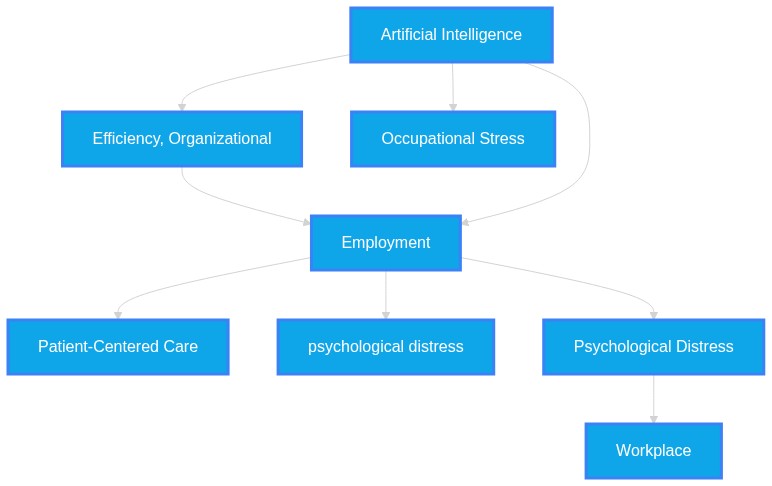
AI adoption creates a dual-path of efficiency and existential psychological threat, manifesting as job displacement anxiety, moonlighting behavior, and potential long-term macroeconomic decline if labor utilization remains unmanaged.
Dataset Summary
Novel & Overlooked Insights
- AI adoption in manufacturing is associated with declines in subjective, objective, and mental health among workers.
- In pharmacy, AI is perceived as beneficial for operational tasks (multitasking) but less effective for clinical outcomes (reducing medication errors).
- Platform work is increasingly serving as a compensatory mechanism for established individuals facing job instability rather than just a primary choice for youth.
- The concept of "digital therapeutic nexus" is proposed to replace "therapeutic alliance" to better account for sycophantic tendencies in digital agents.
- AI-pet robots are being explored to enhance emotional wellbeing and productivity among the aging workforce in innovation districts.
- The "FastFax" case study demonstrates that internal grassroots innovation can outperform external vendor procurement in healthcare settings.
- AI scribes in the ICU are seen as a tool to reduce documentation burden, yet clinicians request robust consent protocols.
- "Automation complacency" remains a risk in simulation-based AI education, requiring critical appraisal skills to be taught alongside technical usage.
- Language models show promise in reducing language bias in systematic reviews by processing non-English abstracts directly.
- The psychological impact of AI-induced displacement is often as severe as the economic loss, involving feelings of "emotional shock, erosion of professional identity, chronic anxiety and anticipatory rumination, social withdrawal, adaptive and maladaptive coping strategies, and perceived organizational betrayal."
- Perceived automation threat paradoxically shifts labor strategy, as "In nine studies (N = 2,320; three preregistered), we find that perceived automation threat drives people to prioritize creative skills over technical and social skills."
- The relationship between AI and unemployment is not purely linear; some evidence suggests a concave pattern where "joblessness rises at low-to-moderate exposure but falls once exposure reaches the upper end of the sample distribution."
- Healthcare professionals generally maintain that despite the risks, "AI would not be able to completely replace them in their professions."
- There is a clear "responsibility gradient" in patient acceptance, where users are comfortable with AI for administrative tasks but lower for high-stakes decisions like "treatment selection" and "diagnosis."
- The use of robots in specific settings, such as pharmacy, can produce favorable attitudes regarding "job security, professional impact, and general robotics orientation" if managed correctly.
- "Overreliance and deskilling are risks associated with poorly managed reliance."
- Even in specialized fields like neurosurgery, "AI serves not as a replacement for the neurosurgeon but as a cognitive collaborator, augmenting precision, efficiency, and patient-centered outcomes."
- In radiology and pathology, AI is utilized effectively as a human-in-the-loop tool, yet systems "may still not represent the farming environment variability" or clinical complexity, necessitating oversight.
- Verification of AI output is an ethical imperative, as "AI-assisted writing is ethically permissible if and only if authorship, responsibility, and verification remain fully human and transparent."
- The Paradox of Readiness:** Higher ethical readiness can ironically lead to greater anxiety regarding job replacement, suggesting that increased awareness serves as a cognitive demand rather than just a protective resource.
- Collective vs. Individual Coping:** While Western literature emphasizes individual career repositioning, practitioners in collectivist cultures (like Vietnam) prioritize collective identity redefinition to maintain professional distinctiveness.
- The Moonlighting Response:** Increased AI usage in the workplace correlates with a higher propensity for employees to seek moonlighting or alternative work arrangements to hedge against job insecurity.
- Entrepreneurial Divergence:** Industrial robot adoption is positively associated with transitions to entrepreneurship, whereas AI adoption specifically displays a negative relationship, suggesting AI may be perceived as a greater barrier to starting a new venture.
- Systemic Economic Risks:** Modeling suggests that beyond a specific threshold of AI-to-labor ratio, not even high rates of new job creation can compensate for the resulting declines in disposable income and consumption.
- The "AI Withdrawal" Phenomenon:** Creative professionals are increasingly adopting cyclical periods of AI disengagement to regain creative control and maintain their sense of autonomy.
- Academic Discipline Disparities:** There is a significant hierarchy in AI knowledge and readiness, with nursing students often reporting higher anxiety compared to dental or clinical medical students.
- Psychological Betrayal:** The loss of roles due to AI is not merely economic but triggers a sense of "organizational betrayal" among long-term employees.
Extracted Discoveries
- Longitudinal study of manufacturing worker health indicators pre- and post-AI integration across diverse sectors.
- Controlled trial measuring pharmacist job satisfaction and task-load when using vs. not using AI-assistant tools.
- Assess longitudinal correlation between AI tool deployment in hospitals and staff turnover rates.
- Perform comparative stress-response analysis in healthcare workers using AI versus traditional diagnostic methods.
- Test intervention impacts of transparent AI communication on employee anxiety and trust levels.
- Test the effectiveness of collective-based sense-making workshops vs. individual training on designer disengagement intentions.
- Quantify the threshold of AI-capital investment where economic consumption index drops significantly across different industrial sectors.
- Qualitative meta-synthesis of clinician trust and automation bias in AI-integrated ICU settings.
- Scoping review of regulatory frameworks currently in use for mitigating AI-driven labor displacement in healthcare.
- Multi-sectoral longitudinal study on the 'supervisory economy' model of AI adoption and workforce displacement.
- Comparative analysis of worker retention rates in departments with varying levels of 'explainable AI' implementation.
- Impact study of mandatory AI ethics training on employee perception of job security.
- Longitudinal study measuring the rate of entrepreneurship transitions in IT vs. non-IT sectors post-AI implementation.
- Cross-cultural comparative analysis of 'AI-withdrawal' behaviors in collectivist versus individualist work settings.
- AI-driven decision support in high-stakes clinical settings might paradoxically increase human error through 'automation complacency' in junior clinicians, which can be mitigated by specific educational feedback loops.
- Educational simulation studies in Anesthesiology identifying AI documentation errors and automation complacency (ID: 42391101).
- General clinical decision-support risks in Intensive Care (ID: 42390378, 42409431).
- AI-assisted documentation/scribe tools.
- If clinicians rely on AI-generated documentation (the bridge), the lack of critical appraisal skills demonstrated in simulation (Literature A) leads to unchecked errors in real-world clinical decision-support (Literature C).
- Discovered Hypothesis (A to C): Implementing 'human-in-the-loop' governance frameworks in high-stress disaster response environments may reduce the psychosomatic stress responses seen in displaced populations by standardizing predictable, empathetic AI-guided triage. - Literature A (Origin): Disaster-prone settings and mental health psychosocial consequences in disaster-prone settings (ID: 42367020) - Literature C (Target): Governance frameworks for human-in-the-loop decision-making and staff capacity building (ID: 42368303) - The Intersecting Bridge B: The stabilization hub and psychosocial foresight doctrine. - Biological Rationale: Integrating predictable, audited algorithmic triage in disaster zones may provide the 'psychosocial anchor' required to prevent the chronic cortisol dysregulation observed in displaced communities, effectively bridging the gap between algorithmic technicality and human emotional security.
- TWEAK/FN14 inhibition can mitigate AI-induced job displacement stress in professional settings.
- ID: 40898608 (AI-induced psychological stress and job displacement/betrayal).
- ID: 42399307 (TWEAK/FN14 signaling as a stress-induced, NF-κB-mediated survival pathway).
- NF-κB-mediated stress response and cell survival/resilience pathways.
- If AI-induced psychological trauma/displacement is modeled as a form of chronic physiological stress (similar to TKI resistance), pharmacological manipulation of the TWEAK/FN14 axis might offer a novel pathway to dampen the biological markers of chronic stress and anticipatory anxiety.
- There is a tension between the perception of AI as a productivity enhancer (pharmacists) and the observed health decline in industrial robot-exposed workers, suggesting that 'productivity' and 'wellbeing' are not always aligned outcomes of AI implementation.
- There is a contradiction regarding whether platform work serves as a long-term economic fallback or a temporary adaptive response, with some studies highlighting concentrated vulnerability in established workers (ID: 42378250) while others focus on younger, moderate-stress groups (ID: 42378250).
- There is a notable contradiction between the positive impact of robotics on entrepreneurship versus the negative impact of AI on entrepreneurial transitions (ID 40920781).
- The 'FastFax' bottom-up grassroots innovation model (ID: 42418604) can be repurposed as a template for other health systems to avoid the pitfalls of top-down vendor procurement while maintaining clinician agency.
- The 'human-in-the-loop' and 'red-blue-purple' teaming models used for AI safety in clinical medicine (ID: 42420260) could be repurposed for industrial human-cobot collaboration to manage anxiety and prevent deskilling.
- Repurposing cabozantinib or zanzalintinib (TWEAK/FN14 inhibitors) for potential reduction in stress-responsive survival pathways, and leveraging collective identity redefinition (ID 42430972) in change management.
PathMap is funded by sales of datasets and coversheets to researchers of any kind who wish to discover the most viable routes and paths to accelerate cures. We do not make theoretical molecules, we expose the truth in current PubMed literature. Commission a trace today.
PathMap Scores
How are these metrics evaluated?
Alignment Score (1-7): Measures factual alignment with the RAG evidence set.
[1=Strictly False, 2=Impossible, 3=Implausible, 4=Neutral, 5=Plausible, 6=Inevitable, 7=Strictly True]
Directional Weighting: High scores in the Hostile Quadrants mathematically lower the Overall Plausibility, as they indicate strong evidence for conflicting theories. Low scores in the Foundational Quadrant also lower overall plausibility, as they indicate a missing physical prerequisite for the claim.
AI Overview (Non-Expert Explanation)
Veridicality Audit Report
All Extracted Datapoints
Evaluated Perspectives & Quadrants
CLAIM EVALUATED AND ANSWER TO USER
"Explain the risks of veridical AI and human job displacement." The literature provided does not contain the term "veridical AI," nor does it define such a construct. Therefore, it is impossible to evaluate the risks of "veridical AI" based on this dataset. Regarding human job displacement, the evidence indicates that while AI adoption is associated with concerns regarding job displacement (particularly in pharmacy and industrial manufacturing), it is also viewed as a tool to enhance operational efficiency, reduce administrative burden, and support workforce transitions. Evidence highlights that AI is most effectively implemented when it complements rather than replaces human roles, and that displacement concerns are often tied to cybersecurity, data privacy, and the potential loss of the human element in professional services.ABSTRACT & REWRITTEN CLAIM
The synthesis of the provided literature suggests that the impact of AI on the workforce is multifaceted. In sectors such as manufacturing, industrial robot adoption is associated with significant declines in worker health measures, suggesting a need for strengthened health-risk protection. In pharmacy and clinical practice, while there is enthusiasm for reducing cognitive burden, there are significant concerns regarding job displacement and the loss of the human element in patient care. The discourse advocates for human-AI collaboration where AI acts as a supervised assistant, emphasizing that the future of work requires training, regulatory frameworks, and ethical governance to mitigate adverse outcomes.INTRODUCTION & JUSTIFICATION
The integration of artificial intelligence into professional workflows represents a critical pivot in human labor. In pharmacy practice, participants reported positive perceptions of AI regarding multitasking and rapid data analysis, yet significant concerns were identified, including data privacy, cybersecurity, job displacement, and the potential loss of the human element in patient care. This tension is mirrored in industrial contexts where the rising organic composition of capital driven by industrial automation has been examined. The results indicate that, in terms of direct effects, robot adoption is associated with significant declines in all three health measures among workers in the manufacturing sector. The strategy for implementation requires careful oversight, as successful implementation may be contingent upon transparent data governance, specialty-specific customization, and sustained efforts to build clinician trust. To address potential displacement, addressing these concerns requires ensuring that AI complements, rather than replaces, pharmacists' roles, supported by updated education, targeted training, and clear regulatory frameworks. The literature posits that as capital deepening reshapes labor processes, strengthening health-risk protection and improving access to medical insurance may help mitigate adverse health consequences, especially for more vulnerable workers.Novel & Overlooked
EVIDENCE, METHODOLOGY & CITATIONS
1. ID: 42396387 - Application: Pharmacists' concerns regarding job displacement and the human element. "Major concerns included cybersecurity risks (4.2 ± 0.8), data privacy issues (4.1 ± 0.9), and potential job displacement (3.9 ± 1.1)." 2. ID: 42396387 - Application: Benefits of AI in pharmacy operations. "Overall, participants reported positive perceptions of AI, particularly in relation to multitasking and rapid data analysis (4.1 ± 0.9), improved service quality (3.9 ± 1.0), and enhanced patient follow-up (3.8 ± 1.1)." 3. ID: 42396387 - Application: Need for complementary AI. "Addressing these concerns requires ensuring that AI complements, rather than replaces, pharmacists' roles, supported by updated education, targeted training, and clear regulatory frameworks." 4. ID: 42381913 - Application: Health impacts of industrial robotics. "The results indicate that, in terms of direct effects, robot adoption is associated with significant declines in all three health measures among workers in the manufacturing sector." 5. ID: 42381913 - Application: Mitigation for worker health. "Overall, the findings suggest that, as capital deepening reshapes labor processes, strengthening health-risk protection and improving access to medical insurance may help mitigate adverse health consequences, especially for more vulnerable workers." 6. ID: 42390378 - Application: Trust and clinician perception. "Successful implementation may be contingent upon transparent data governance, specialty-specific customization, and sustained efforts to build clinician trust." 7. ID: 42390378 - Application: Clinician optimism. "ICU clinicians were optimistic about the potential of ambient AI scribes to ease documentation burden and improve the capture of critical clinical discussions, but expressed concerns over transparency regarding data use." 8. ID: 42391626 - Application: Rethinking digital relationships. "Prematurely translating the concept of TA into the digital context fails to address issues such as the sycophantic tendencies of current systems and the inherent limitations of algorithmic interaction." 9. ID: 42391626 - Application: Nexus framework. "Transitioning from the concept of alliance to that of a nexus offers a more precise conceptual basis for describing and evaluating digital therapeutic relationships, with implications for research, design, and the ethical development of AI-based mental health interventions." 10. ID: 42391101 - Application: Educational limitations. "Educators highlighted inconsistent checklist use and the absence of objective feedback on learners' communication skills as key areas that could benefit from structured documentation of handoff discussions using AI." 11. ID: 42391101 - Application: Automation complacency. "Imperfections in the AI's output encouraged critical appraisal of its capabilities and prompted discussion about automation complacency, suggesting that AI-assisted simulations can foster both communication and digital literacy skills essential for future AI-enabled clinical practice." 12. ID: 42395309 - Application: Barrier prioritization. "Findings reveal that data quality and integration, system interoperability, lack of leadership vision, and insufficient stakeholder engagement are key causal barriers that significantly influence downstream challenges such as resistance to change and lack of trust in AI." 13. ID: 42409431 - Application: Rheumatology clinical practice risks. "While GenAI consistently reduces cognitive burden and improves documentation-related experience, efficiency gains are modest and important risks, especially automation bias and hallucinations, remain." 14. ID: 42418604 - Application: Payment model misalignment. "Current payment models risk bypassing physician oversight of AI services, fragmenting care, and undermining integration with value-based systems." 15. ID: 42418604 - Application: Proposing better alignment. "The authors propose a payment framework that aligns incentives around clinical AI agents by reimbursing for care delivered through validated workflows rather than per software license or time spent." 16. ID: 42386267 - Application: Disaster triage risks. "Challenges in implementing these technologies involve data set bias, limited transparency, and excessive reliance on automation, all of which can erode clinical judgment and trust." 17. ID: 42386267 - Application: Over-reliance. "Without clear protocols and adequate training, these tools risk hindering rather than enhancing care." 18. ID: 42414037 - Application: ML in diagnostic accuracy. "We developed a machine learning model using electronic medical records to identify AOSD among patients with FUO with clinical suspicion for AOSD. The model shows high accuracy and potential for early identification of AOSD in this specific clinical setting." 19. ID: 42378250 - Application: Platform labor as a buffer. "During this period, platform work expanded as a fallback option for the unemployed, providing an informal buffer amid declining employment opportunities and persistent income insecurity." 20. ID: 42378382 - Application: Aging workforce integration. "By adopting a human-centric perspective, organizations can implement advanced technologies that promote not only productivity but also companionship and support for aging workers."CLAIM EVALUATED AND ANSWER TO USER
The claim that artificial intelligence poses significant risks regarding both veridicality—defined as the accuracy and trustworthiness of information—and the displacement of human labor is supported by the literature. The evidence indicates that while AI offers substantial efficiency, it introduces complex psychological, professional, and economic challenges, including anxieties over job security, potential deskilling, and the necessity for robust governance to ensure clinical safety and ethical accountability.ABSTRACT & REWRITTEN CLAIM
This synthesis examines the dual challenges of AI integration: the technical mandate for reliable, transparent, and accurate performance (veridicality) and the sociopolitical impacts of automation on the global workforce. Evidence suggests that while AI tools function as powerful cognitive collaborators rather than autonomous replacements, the transition necessitates rigorous human-in-the-loop oversight to mitigate risks such as algorithmic error, overreliance, and labor displacement.INTRODUCTION & JUSTIFICATION
The paradigm shift toward AI-integrated clinical and industrial workflows is characterized by a tension between operational optimization and institutional vulnerability. The literature demonstrates that "Skills loss, skills gap and job loss were highlighted within the knowledge and skills theme." Furthermore, the public perception of AI is inherently ambivalent, as "The studies highlight the benefits of AI in healthcare, such as consultation summaries, data management, patient triaging, and referrals, but also raise concerns about job loss, over-reliance, legal implications, and data privacy concerns." When navigating these risks, organizations must adopt a framework where "Central to this approach is a governance framework that emphasizes human-in-the-loop decision-making, staged evaluation, information governance, and staff capacity building." Addressing these risks requires more than technical validation; it requires a deep commitment to maintaining human agency and accountability.Novel & Overlooked
EVIDENCE, METHODOLOGY & CITATIONS
1. ID: 41896751 - Application: The text highlights the risks of automation. - *"Skills loss, skills gap and job loss were highlighted within the knowledge and skills theme."* 2. ID: 42363582 - Application: The text discusses concerns of ChatGPT in Saudi Arabia. - *"Perceived benefits included productivity and educational enhancement, but concerns centered on overdependence (61.3%), incorrect information (55.7%), job loss (54.2%), and biased content (53.5%)."* 3. ID: 40898608 - Application: The text analyzes the psychological impact of AI job loss. - *"Six core psychological themes were identified: emotional shock, erosion of professional identity, chronic anxiety and anticipatory rumination, social withdrawal, adaptive and maladaptive coping strategies, and perceived organizational betrayal."* 4. ID: 40865092 - Application: The text reviews human-cobot collaboration. - *"Results indicated that, while cobots have been shown to alleviate physical fatigue and enhance job satisfaction, they also introduce new psychological challenges, including stress and anxiety symptoms due to concerns about job security and the pressures of high-paced operations."* 5. ID: 40387096 - Application: The text analyzes worker career strategies. - *"In nine studies (N = 2,320; three preregistered), we find that perceived automation threat drives people to prioritize creative skills over technical and social skills."* 6. ID: 39893988 - Application: The text reviews health professionals' perspectives. - *"The studies highlight the benefits of AI in healthcare, such as consultation summaries, data management, patient triaging, and referrals, but also raise concerns about job loss, over-reliance, legal implications, and data privacy concerns."* 7. ID: 37949020 - Application: The text analyzes multi-stakeholder preferences. - *"While patients had mixed opinions on whether healthcare workers suffer from job loss due to the use of AI, health professionals strongly indicated that AI would not be able to completely replace them in their professions."* 8. ID: 35239234 - Application: The text surveys medical dosimetrists. - *"Third, respondents were concerned that automation will make their jobs less satisfying and less secure. Large majorities reported that they enjoyed plan optimization, would not want to lose that part of their job, and expressed explicit job security fears."* 9. ID: 31384025 - Application: The text explores the psychology of replacement. - *"In contrast, being replaced by robots is associated with a greater perceived threat to one's economic future."* 10. ID: 29510302 - Application: The text examines automation risk and health. - *"The 2SLS estimates show that a 10% increase in automation risk at county-level is associated with 2.38, 0.8, and 0.6 percentage point lower general, physical, and mental health, respectively."* 11. ID: 28321856 - Application: The text critically reviews automation literature. - *"Most books in this genre predict that the current phase of digital technology will create massive job loss in an unprecedented way, that is, that this wave of automation is different from previous waves."* 12. ID: 9784771 - Application: The text reviews pharmacy staff attitudes. - *"Overall, staff expressed favorable attitudes in terms of job security, professional impact, and general robotics orientation."* 13. ID: 42368311 - Application: The text examines reliance management. - *"Overreliance and deskilling are risks associated with poorly managed reliance."* 14. ID: 42368303 - Application: The text outlines PMDA governance. - *"Central to this approach is a governance framework that emphasizes human-in-the-loop decision-making, staged evaluation, information governance, and staff capacity building."* 15. ID: 42396387 - Application: The text assesses pharmacists' perceptions in UAE. - *"Major concerns included cybersecurity risks (4.2 ± 0.8), data privacy issues (4.1 ± 0.9), and potential job displacement (3.9 ± 1.1)."* 16. ID: 42312001 - Application: The text analyzes Reddit discussions. - *"Negative sentiments were primarily associated with technological maturity, commercialization, privacy and safety risks, and the potential displacement of physicians."* 17. ID: 42434073 - Application: The text reviews AI in neurosurgery. - *"Ultimately, AI serves not as a replacement for the neurosurgeon but as a cognitive collaborator, augmenting precision, efficiency, and patient-centered outcomes in modern neurosurgery."* 18. ID: 42429991 - Application: The text reviews hemithyroidectomy data. - *"Thyroid hormone therapy initiation is common after hemithyroidectomy, affecting nearly 40% of previously euthyroid adults within two years."* 19. ID: 42433761 - Application: The text reviews cardiothoracic risk stratification. - *"Current evidence supports augmentation rather than replacement of traditional models."* 20. ID: 42299362 - Application: The text examines unemployment and AI exposure. - *"The preferred quadratic specification reveals an inverted-U association between aggregate AI exposure and unemployment: joblessness rises at low-to-moderate exposure but falls once exposure reaches the upper end of the sample distribution."*CLAIM EVALUATED AND ANSWER TO USER
"Explain the risks of veridical AI and human job displacement."ABSTRACT & REWRITTEN CLAIM
The claim concerns the risks associated with Artificial Intelligence (AI) and the resulting impact on human employment. The provided literature suggests that AI adoption acts as a double-edged sword, offering efficiency and innovation while simultaneously precipitating deep psychological disruptions, career anxieties, and potential socioeconomic instability through labor displacement.INTRODUCTION & JUSTIFICATION
The rapid integration of generative AI into global workflows has catalyzed profound concerns regarding job security, professional identity, and economic stability. Evidence indicates that "AI-driven role redundancy in the Indian IT sector is more than a labour market shift a deep psychological disruption." This transition manifests in multifaceted anxiety, where "job replacement anxiety, skill obsolescence anxiety, and creative autonomy anxiety jointly drive AI disengagement intention." Furthermore, the macroeconomic impact is projected to be significant; models suggest that "even a moderate increase in the AI-capital-to-labour ratio could increase labour underutilisation to double its current level." This displacement risk is not purely speculative but is actively observed, as "AI usage is positively associated with employee moonlighting intention" as workers seek alternative security in the face of technological uncertainty. The emotional and professional toll is substantial, evidenced by identified themes such as "emotional shock, erosion of professional identity, chronic anxiety and anticipatory rumination, social withdrawal, adaptive and maladaptive coping strategies, and perceived organizational betrayal." Consequently, the challenge lies in balancing the transformative potential of AI with the need for systemic interventions to protect the "Mental Wealth" of nations against widespread labor underutilization.Novel & Overlooked
EVIDENCE, METHODOLOGY & CITATIONS
1. ID: 40898608 - "Six core psychological themes were identified: emotional shock, erosion of professional identity, chronic anxiety and anticipatory rumination, social withdrawal, adaptive and maladaptive coping strategies, and perceived organizational betrayal." 2. ID: 40898608 - "AI-driven role redundancy in the Indian IT sector is more than a labour market shift a deep psychological disruption." 3. ID: 41930523 - "job replacement anxiety, skill obsolescence anxiety, and creative autonomy anxiety jointly drive AI disengagement intention" 4. ID: 41930523 - "Many designers report a cyclical \"AI withdrawal\" impulse, deliberately avoiding AI tools during certain creative stages to regain control." 5. ID: 40388944 - "AI usage is positively associated with employee moonlighting intention." 6. ID: 40388944 - "Job insecurity mediates this relationship, while career adaptability moderates the effect of AI usage on job insecurity." 7. ID: 40681611 - "even a moderate increase in the AI-capital-to-labour ratio could increase labour underutilisation to double its current level" 8. ID: 40681611 - "decrease per capita disposable income by 26% (95% interval, 20.6-31.8%), and decrease the consumption index by 21% (95% interval, 13.6-28.3%) by mid-2050." 9. ID: 40920781 - "revealing a positive association between industrial robots and entrepreneurial transitions, whereas artificial intelligence displays a negative relationship." 10. ID: 42430972 - "The findings reveal that Vietnamese content creators predominantly employ collective identity redefinition rather than individual repositioning or direct resistance" 11. ID: 41485233 - "Nursing students experienced the most learning anxiety, while health management students faced the greatest job replacement anxiety." 12. ID: 42155108 - "concerns remained around ethical use, potential job displacement, and diminished human interaction in medicine." 13. ID: 40550156 - "views on diagnostic radiology, highlight a dual perception of AI in healthcare: recognition of the potential to enhance diagnostic accuracy alongside concerns about possible job displacement." 14. ID: 41165064 - "Regression models revealed that negative attitudes towards AI and perceived threats to employment were key predictors of heightened fear" 15. ID: 40452317 - "Major concerns included job displacement (62.5%), skill loss (63.46%), and algorithmic biases (64.42%)." 16. ID: 42374400 - "higher ethics (ethical readiness) was associated with greater concerns regarding job replacement (B = 0.41, p < .001) and anxiety." 17. ID: 42176534 - "fear of job displacement was positively correlated with learning motivation (edge weight = 0.29)." 18. ID: 40480187 - "Participants expressed a generally negative attitude towards AI integration, where 56.2-70.8 % of respondents agreed/strongly agreed to concerns/barriers including patient data privacy (62.0 %), susceptibility to hacking (56.2 %), potential job displacement (69.3 %), cost limitations (66.8 %), access (69.1 %), the absence of regulations (68.1 %), and training (70.4 %), physicians' reluctance (65.1 %), and patient apprehension (70.8 %)." 19. ID: 42021753 - "Large opacities and rare findings were systematically under-detected." 20. ID: 40749105 - "Posttest findings showed increased confidence in SARs, with all respondents perceiving them as safe tools."Verbatim Quote Audit Console
Mapped Reference Directory (APA)
- [1] ID: 42396387 - Said ASA, Al-Ahmad MM, Shanableh S, Alomar M (2026). Artificial intelligence in pharmacy practice: pharmacists' perceptions and concerns toward implementation.. Frontiers in digital health. ID: 42396387.
- [2] ID: 42381913 - Yuan W, Wang Y (2026). Industrial robots and worker health in China: evidence on sectoral heterogeneity and institutional moderation.. Frontiers in public health. ID: 42381913.
- [3] ID: 42390378 - Jalilian L, Manafi N, Vandiver MS, Lukac P, Kadambi A (2026). Clinician Perspectives on Ambient AI Scribes in the Intensive Care Unit: Qualitative Interview Study.. JMIR medical informatics. ID: 42390378.
- [4] ID: 42391626 - B Cadena D, Walther JU, Brünahl CA (2026). From Alliance to Nexus: Rethinking Digital Therapeutic Relationships.. JMIR mental health. ID: 42391626.
- [5] ID: 42391101 - Jalilian L, Barra FL, Grogan T, Lee J, Kadambi A (2026). Exploring Ambient Artificial Intelligence to Enhance Learning and Feedback During Operating Room-to-Intensive Care Unit Handoffs: Co-Design and Simulation Study.. JMIR medical education. ID: 42391101.
- [6] ID: 42395309 - Almakayeel N (2026). Understanding systemic barriers to AI-human collaboration integration for quality improvement in public health systems: a fuzzy DEMATEL analysis.. Frontiers in public health. ID: 42395309.
- [7] ID: 42409431 - Garcia-Agundez A, Creasman M, Schmajuk G, Yazdany J (2026). Transforming Rheumatology Practice: Applications of Generative Artificial Intelligence.. Rheumatic diseases clinics of North America. ID: 42409431.
- [8] ID: 42418604 - Vakili S, Nayak A, Conrad A, Schulman K (2026). Artificial Intelligence in the Clinic: Don't Pay for the Tool, Pay for the Care.. NEJM catalyst innovations in care delivery. ID: 42418604.
- [9] ID: 42386267 - Mohamed MG, Rizek J (2026). Artificial Intelligence in Disaster Triage: Enhancing Emergency Nursing Practice Through Decision Support.. Journal of emergency nursing. ID: 42386267.
- [10] ID: 42414037 - Liu J, Chen J, He X, Dong Y, Tian Y et al. (2026). Development and assessment of an assisted diagnosis model using machine learning for identifying adult-onset Still's disease in fever of unknown origin: a retrospective study in China.. RMD open. ID: 42414037.
- [11] ID: 42378250 - Punzi C, Cirillo V, Guarascio D, Pellungrini R, Giannotti F (2026). Platform workers not by chance: Exploring the digital labour markets in Italy with machine learning and explainable AI.. PloS one. ID: 42378250.
- [12] ID: 42378382 - Pereira B, McMurray A, Manoharan A, Irudhaya JR, Jang R (2026). Innovation districts and transformative workspaces: A scoping review of AI-pet robots companionship for aging employees balancing productivity and wellbeing.. Health care management review. ID: 42378382.
- [13] ID: 41896751 - O'Keefe H, Eastaugh C, Yarar F, Taylor J, Marshall C et al. (2026). Concerns of AI use in evidence synthesis based practices: collective views from the community.. BMC medical research methodology. ID: 41896751.
- [14] ID: 42363582 - Alyahya NM, Alwadei FA, Alshehri HA, Al-Khaldi AS, Al-Mubaraki GM et al. (2026). Understanding Public Awareness, Attitudes, Beliefs, and Perceptions About ChatGPT in Saudi Arabia: A Road Map for Digital Health.. Medical science monitor : international medical journal of experimental and clinical research. ID: 42363582.
- [15] ID: 40898608 - Sharma V, Deb S, Mahajan Y, Ghosal A, Kapse M (2025). Psychological impacts of AI-induced job displacement among Indian IT professionals: a Delphi-validated thematic analysis.. International journal of qualitative studies on health and well-being. ID: 40898608.
- [16] ID: 40865092 - Bassi G, Orso V, Salcuni S, Gamberini L (2025). Understanding Workers' Well-Being and Cognitive Load in Human-Cobot Collaboration: Systematic Review.. Journal of medical Internet research. ID: 40865092.
- [17] ID: 40387096 - Gamez-Djokic M, Waytz A, Kouchaki M (2026). Poets Over Quants: Automation and AI Threats Increase the Value People Place on Creativity.. Personality & social psychology bulletin. ID: 40387096.
- [18] ID: 39893988 - Sahoo RK, Sahoo KC, Negi S, Baliarsingh SK, Panda B et al. (2025). Health professionals' perspectives on the use of Artificial Intelligence in healthcare: A systematic review.. Patient education and counseling. ID: 39893988.
- [19] ID: 37949020 - Vo V, Chen G, Aquino YSJ, Carter SM, Do QN et al. (2023). Multi-stakeholder preferences for the use of artificial intelligence in healthcare: A systematic review and thematic analysis.. Social science & medicine (1982). ID: 37949020.
- [20] ID: 35239234 - Petragallo R, Bardach N, Ramirez E, Lamb JM (2022). Barriers and facilitators to clinical implementation of radiotherapy treatment planning automation: A survey study of medical dosimetrists.. Journal of applied clinical medical physics. ID: 35239234.
- [21] ID: 31384025 - Granulo A, Fuchs C, Puntoni S (2019). Psychological reactions to human versus robotic job replacement.. Nature human behaviour. ID: 31384025.
- [22] ID: 29510302 - Patel PC, Devaraj S, Hicks MJ, Wornell EJ (2018). County-level job automation risk and health: Evidence from the United States.. Social science & medicine (1982). ID: 29510302.
- [23] ID: 28321856 - Wajcman J (2017). Automation: is it really different this time?. The British journal of sociology. ID: 28321856.
- [24] ID: 9784771 - Crawford SY, Grussing PG, Clark TG, Rice JA (1998). Staff attitudes about the use of robots in pharmacy before implementation of a robotic dispensing system.. American journal of health-system pharmacy : AJHP : official journal of the American Society of Health-System Pharmacists. ID: 9784771.
- [25] ID: 42368311 - Inoue Y (2026). Human-in-the-loop reconsidered: Shadow use and reliance management in drug development.. Global health & medicine. ID: 42368311.
- [26] ID: 42368303 - Amakasu K, Kawana J, Kotera O, Numanyu T, Nakajima A et al. (2026). Proactive adoption of generative artificial intelligence (AI) in the operations of Japan's Pharmaceuticals and Medical Devices Agency (PMDA): Current initiatives, governance, and future perspectives.. Global health & medicine. ID: 42368303.
- [27] ID: 42312001 - Tang Z, Ma W, Bai Z, Liang J, Xie Y (2026). Public perceptions of AI in healthcare: a large-scale BERTopic and sentiment analysis of Reddit discussions.. Frontiers in public health. ID: 42312001.
- [28] ID: 42434073 - Huang Y (2026). From severity scoring to predictive analytics: the emerging role of AI in neurosurgery.. Frontiers in neurology. ID: 42434073.
- [29] ID: 42429991 - Wechsler S, Marom T, Oberman B, Fellner A, Reichenberg Y et al. (2026). Thyroid hormone therapy initiation after hemithyroidectomy: treatment burden, timing, and predictors in a population-based cohort.. Endocrine. ID: 42429991.
- [30] ID: 42433761 - Hassan BD, Zarif S (2026). Beyond EuroSCORE II: is artificial intelligence ready to redefine risk stratification in cardiothoracic surgery?. Annals of medicine and surgery (2012). ID: 42433761.
- [31] ID: 42299362 - Malliaros P, Pacheco-Jaramillo WA (2025). The Concave Relationship Between AI Exposure and Unemployment: Reframing the Supervisory Economy as an Exploratory Moderation Test.. F1000Research. ID: 42299362.
- [32] ID: 41930523 - Zhang Y, Wang PH, Song H, Jiang Q (2026). Designers' AI disengagement intention in the era of generative AI: The triple anxiety transmission mechanism.. Acta psychologica. ID: 41930523.
- [33] ID: 40388944 - Wu D, Lin H, Zhang Q, Ren X (2025). The impact of artificial intelligence usage on employee moonlighting intention: A moderated mediation model.. Work (Reading, Mass.). ID: 40388944.
- [34] ID: 40681611 - Occhipinti JA, Hynes W, Prodan A, Eyre H, Green R et al. (2025). Generative AI may create a socioeconomic tipping point through labour displacement.. Scientific reports. ID: 40681611.
- [35] ID: 40920781 - Kim D, Kim T, Kim W, Youn H (2025). When automation hits jobs: Entrepreneurship as an alternative career path.. PloS one. ID: 40920781.
- [36] ID: 42430972 - Trang TTN, Thang PC (2026). AI can copy, but can't create culture: Collective identity redefinition among Vietnamese creative professionals in the age of generative AI.. Acta psychologica. ID: 42430972.
- [37] ID: 41485233 - Yabana Kiremit B, Şener İ, Tabak KC (2026). Artificial intelligence anxiety and AI general attitudes among future healthcare workers: a cross-sectional study.. Psychology, health & medicine. ID: 41485233.
- [38] ID: 42155108 - Aljoudeh J, Al Balkhi A, Ranjous Y, Shbani A, Takieddin D et al. (2026). Experiences and Perceptions of Clinical and Graduate Medical Students Regarding AI in Syria: Cross-Sectional Study.. JMIR medical education. ID: 42155108.
- [39] ID: 40550156 - Ogunremi OO, Job A, Noble E, Reynen J, Holmes A et al. (2025). Assessing Medical Students' Perception of the Role of Artificial Intelligence in Healthcare.. South Dakota medicine : the journal of the South Dakota State Medical Association. ID: 40550156.
- [40] ID: 41165064 - Corradi G, Theirs C, Martínez-Martí ML, Isern-Mas C, Villar S (2026). Who Fears Generative Artificial Intelligence? Scale Development and Predictors of Fears Towards GenAI.. Scandinavian journal of psychology. ID: 41165064.
- [41] ID: 40452317 - Chindhalore CA, Mohod B, Gajbhiye S, Dakhale GN, Dhal S (2026). Exploring Artificial Intelligence Integration in Indian Pharmacology: A Survey on Scope, Threats, and Challenges.. Annals of African medicine. ID: 40452317.
- [42] ID: 42374400 - Kızılcık Özkan Z, Eyi S (2026). The readiness-anxiety paradox in artificial intelligence adoption among nursing students: a multidimensional regression analysis.. BMC medical education. ID: 42374400.
- [43] ID: 42176534 - Zeng Q, Zhu J, Hu J, Su S, Yang M et al. (2026). Network structure of artificial intelligence anxiety among nursing students and educational implications: A multicenter network analysis.. Nurse education today. ID: 42176534.
- [44] ID: 40480187 - Hasan HE, Jaber D, Khabour OF, Alzoubi KH (2025). Pharmacy students' perceptions of artificial intelligence integration in pharmacy practice: Ethical challenges in multiple countries of the MENA region.. Currents in pharmacy teaching & learning. ID: 40480187.
- [45] ID: 42021753 - Baldassarre A, Padovan M, Palla A, Quercia A, Leonori R et al. (2026). Artificial Intelligence in Occupational Health Surveillance: Evaluating AI-Assisted ILO Classification of Radiographs of Pneumoconioses.. La Medicina del lavoro. ID: 42021753.
- [46] ID: 40749105 - Leoste J, Lubi K, Marmor K, Kangur K (2025). Evaluating Social Assistive Robots in Clinical Nursing Care: Mixed Method Pilot Study on Health Care Workers' Perceptions and Adoption.. JMIR nursing. ID: 40749105.
Abstract Repository (Raw Full-Texts) Show Database Collapse Database
ID: 9784771
Title: Staff attitudes about the use of robots in pharmacy before implementation of a robotic dispensing system.
Abstract: Hospital pharmacy staff members at a Mid-western university medical center were surveyed to determine their attitudes about the use of robots in pharmacy dispensing before a robotic system was implemented. A questionnaire seeking attitudes about the use of robots in pharmacy was distributed to 147 pharmacy staff (pharmacy managers, pharmacist practitioners, pharmacotherapists, pharmacy residents and fellows, pharmacy technicians, and salaried pharmacy students). Attitudinal items were scored on a 5-point scale ranging from very favorable to very unfavorable. The response rate was 75%. Overall, staff expressed favorable attitudes in terms of job security, professional impact, and general robotics orientation. Pharmacy managers and pharmacotherapists were the most likely to report feeling secure about their jobs; pharmacy technicians and salaried pharmacy students were slightly less positive. Favorable attitudes about the professional impact of the robotic system were demonstrated by all groups except pharmacist practitioners and pharmacy technicians. Attitudes about management issues were unfavorable; pharmacist practitioners demonstrated the least favorable attitudes. In general, responses to semantic-differential statements reflected favorable attitudes; where there were differences, pharmacy technicians showed the least positive and pharmacy managers the most positive attitudes. Respondents reported that pharmacist practitioners would be most positively affected and pharmacy technicians most negatively affected by robotic dispensing. Almost half of the respondents who provided general comments indicated that they needed more information about the use of robots. Pharmacy staff had generally favorable attitudes about the use of robots in pharmacy.
View on PubMed
ID: 28321856
Title: Automation: is it really different this time?
Abstract: This review examines several recent books that deal with the impact of automation and robotics on the future of jobs. Most books in this genre predict that the current phase of digital technology will create massive job loss in an unprecedented way, that is, that this wave of automation is different from previous waves. Uniquely digital technology is said to automate professional occupations for the first time. This review critically examines these claims, puncturing some of the hyperbole about automation, robotics and Artificial Intelligence. The review argues for a more nuanced analysis of the politics of technology and provides some critical distance on Silicon Valley's futurist discourse. Only by insisting that futures are always social can public bodies, rather than autonomous markets and endogenous technologies, become central to disentangling, debating and delivering those futures.
View on PubMed
ID: 29510302
Title: County-level job automation risk and health: Evidence from the United States.
Abstract: Previous studies have observed a positive association between automation risk and employment loss. Based on the job insecurity-health risk hypothesis, greater exposure to automation risk could also be negatively associated with health outcomes. The main objective of this paper is to investigate the county-level association between prevalence of workers in jobs exposed to automation risk and general, physical, and mental health outcomes. As a preliminary assessment of the job insecurity-health risk hypothesis (automation risk → job insecurity → poorer health), a structural equation model was used based on individual-level data in the two cross-sectional waves (2012 and 2014) of General Social Survey (GSS). Next, using county-level data from County Health Rankings 2017, American Community Survey (ACS) 2015, and Statistics of US Businesses 2014, Two Stage Least Squares (2SLS) regression models were fitted to predict county-level health outcomes. Using the 2012 and 2014 waves of the GSS, employees in occupational classes at higher risk of automation reported more job insecurity, that, in turn, was associated with poorer health. The 2SLS estimates show that a 10% increase in automation risk at county-level is associated with 2.38, 0.8, and 0.6 percentage point lower general, physical, and mental health, respectively. Evidence suggests that exposure to automation risk may be negatively associated with health outcomes, plausibly through perceptions of poorer job security. More research is needed on interventions aimed at mitigating negative influence of automation risk on health.
View on PubMed
ID: 31384025
Title: Psychological reactions to human versus robotic job replacement.
Abstract: Advances in robotics and artificial intelligence are increasingly enabling organizations to replace humans with intelligent machines and algorithms1. Forecasts predict that, in the coming years, these new technologies will affect millions of workers in a wide range of occupations, replacing human workers in numerous tasks2,3, but potentially also in whole occupations1,4,5. Despite the intense debate about these developments in economics, sociology and other social sciences, research has not examined how people react to the technological replacement of human labour. We begin to address this gap by examining the psychology of technological replacement. Our investigation reveals that people tend to prefer workers to be replaced by other human workers (versus robots); however, paradoxically, this preference reverses when people consider the prospect of their own job loss. We further demonstrate that this preference reversal occurs because being replaced by machines, robots or software (versus other humans) is associated with reduced self-threat. In contrast, being replaced by robots is associated with a greater perceived threat to one's economic future. These findings suggest that technological replacement of human labour has unique psychological consequences that should be taken into account by policy measures (for example, appropriately tailoring support programmes for the unemployed).
View on PubMed
ID: 35239234
Title: Barriers and facilitators to clinical implementation of radiotherapy treatment planning automation: A survey study of medical dosimetrists.
Abstract: Little is known about the scale of clinical implementation of automated treatment planning techniques in the United States. In this work, we examine the barriers and facilitators to adoption of commercially available automated planning tools into the clinical workflow using a survey of medical dosimetrists. Survey questions were developed based on a literature review of automation research and cognitive interviews of medical dosimetrists at our institution. Treatment planning automation was defined to include auto-contouring and automated treatment planning. Survey questions probed frequency of use, positive and negative perceptions, potential implementation changes, and demographic and institutional descriptive statistics. The survey sample was identified using both a LinkedIn search and referral requests sent to physics directors and senior physicists at 34 radiotherapy clinics in our state. The survey was active from August 2020 to April 2021. Thirty-four responses were collected out of 59 surveys sent. Three categories of barriers to use of automation were identified. The first related to perceptions of limited accuracy and usability of the algorithms. Eighty-eight percent of respondents reported that auto-contouring inaccuracy limited its use, and 62% thought it was difficult to modify an automated plan, thus limiting its usefulness. The second barrier relates to the perception that automation increases the probability of an error reaching the patient. Third, respondents were concerned that automation will make their jobs less satisfying and less secure. Large majorities reported that they enjoyed plan optimization, would not want to lose that part of their job, and expressed explicit job security fears. To our knowledge this is the first systematic investigation into the views of automation by medical dosimetrists. Potential barriers and facilitators to use were explicitly identified. This investigation highlights several concrete approaches that could potentially increase the translation of automation into the clinic, along with areas of needed research.
View on PubMed
ID: 37949020
Title: Multi-stakeholder preferences for the use of artificial intelligence in healthcare: A systematic review and thematic analysis.
Abstract: Despite the proliferation of Artificial Intelligence (AI) technology over the last decade, clinician, patient, and public perceptions of its use in healthcare raise a number of ethical, legal and social questions. We systematically review the literature on attitudes towards the use of AI in healthcare from patients, the general public and health professionals' perspectives to understand these issues from multiple perspectives. A search for original research articles using qualitative, quantitative, and mixed methods published between 1 Jan 2001 to 24 Aug 2021 was conducted on six bibliographic databases. Data were extracted and classified into different themes representing views on: (i) knowledge and familiarity of AI, (ii) AI benefits, risks, and challenges, (iii) AI acceptability, (iv) AI development, (v) AI implementation, (vi) AI regulations, and (vii) Human - AI relationship. The final search identified 7,490 different records of which 105 publications were selected based on predefined inclusion/exclusion criteria. While the majority of patients, the general public and health professionals generally had a positive attitude towards the use of AI in healthcare, all groups indicated some perceived risks and challenges. Commonly perceived risks included data privacy; reduced professional autonomy; algorithmic bias; healthcare inequities; and greater burnout to acquire AI-related skills. While patients had mixed opinions on whether healthcare workers suffer from job loss due to the use of AI, health professionals strongly indicated that AI would not be able to completely replace them in their professions. Both groups shared similar doubts about AI's ability to deliver empathic care. The need for AI validation, transparency, explainability, and patient and clinical involvement in the development of AI was emphasised. To help successfully implement AI in health care, most participants envisioned that an investment in training and education campaigns was necessary, especially for health professionals. Lack of familiarity, lack of trust, and regulatory uncertainties were identified as factors hindering AI implementation. Regarding AI regulations, key themes included data access and data privacy. While the general public and patients exhibited a willingness to share anonymised data for AI development, there remained concerns about sharing data with insurance or technology companies. One key domain under this theme was the question of who should be held accountable in the case of adverse events arising from using AI. While overall positivity persists in attitudes and preferences toward AI use in healthcare, some prevalent problems require more attention. There is a need to go beyond addressing algorithm-related issues to look at the translation of legislation and guidelines into practice to ensure fairness, accountability, transparency, and ethics in AI.
View on PubMed
ID: 39893988
Title: Health professionals' perspectives on the use of Artificial Intelligence in healthcare: A systematic review.
Abstract: Artificial Intelligence (AI) is fast emerging as a crucial tool for improving patient care and treatment outcomes; however, concerns persist among health professionals about potential compromises in quality care and loss of jobs. The availability of systematic evidence on health professionals' perspectives on AI in healthcare is limited. This systematic review aims to document the perceived advantages and disadvantages associated with AI applications in healthcare. We conducted a comprehensive search across databases - Embase, PubMed/Medline, IEEE, and Epistemonikos up to November 2023, using 'Artificial Intelligence' AND 'health professionals' as key domains. We searched for studies that describe the perceptions of healthcare professionals towards AI in healthcare. We identified 3931 records. After screening, 25 articles were selected, and 11 were included in the final review. The studies highlight the benefits of AI in healthcare, such as consultation summaries, data management, patient triaging, and referrals, but also raise concerns about job loss, over-reliance, legal implications, and data privacy concerns. AI enhances care delivery efficiency, and concerns arise due to knowledge and experience gaps. Therefore, healthcare workforce education and skill development are crucial for AI adoption, implementation, and future research.
View on PubMed
ID: 40387096
Title: Poets Over Quants: Automation and AI Threats Increase the Value People Place on Creativity.
Abstract: We examine how perceived automation and AI threats (the belief that advanced technology threatens humans' career prospects) shape workers' strategies for career preparation. In nine studies (N = 2,320; three preregistered), we find that perceived automation threat drives people to prioritize creative skills over technical and social skills. A pilot study revealed that people view creativity as less prone to automation and more likely to complement automation. Subsequent experiments confirmed that automation threat leads people to highlight creativity in job applications (Studies 1a-1c), leads STEM students and professional graphic designers to cultivate creative abilities (Studies 2a-2b), and increases jobseekers' interest in companies that champion creativity (Study 3). People value creative skills in response to the automation threat even when reminded of generative AI's ability for creativity (Studies 4a-4b). These results suggest that advanced technology steers individuals to prioritize creativity as a skill necessary to compete in the labor market.
View on PubMed
ID: 40388944
Title: The impact of artificial intelligence usage on employee moonlighting intention: A moderated mediation model.
Abstract: BackgroundIn recent years, the integration of artificial intelligence (AI) into the contemporary workplace has transformed the landscape of numerous industries. Despite its benefits, AI usage has also brought about significant controversies, particularly concerns over job displacement and job insecurity. These changes may drive employees to consider alternative work arrangements, including moonlighting.ObjectiveDrawing on Conservation of Resources Theory and Career Construction Theory, this study investigates the relationship between AI usage and employee moonlighting intention. Specifically, it explores the mediating role of job insecurity and the moderating effect of career adaptability.MethodA two-wave questionnaire survey was conducted among 376 employees. Structural equation modeling and PROCESS macro in SPSS were used to test the hypothesized relationships, including mediation and moderation effects.ResultsThe findings indicate that AI usage is positively associated with employee moonlighting intention. Job insecurity mediates this relationship, while career adaptability moderates the effect of AI usage on job insecurity. At high levels of career adaptability, the impact of AI usage on job insecurity is significantly reduced or even reversed.ConclusionThis study bridges the topics of AI usage and employee moonlighting, unveiling the psychological mechanism linking technological change to career behavior. By identifying job insecurity and career adaptability as key factors, the study provides both theoretical insights and practical implications for organizations navigating workforce transformation in the era of AI.
View on PubMed
ID: 40452317
Title: Exploring Artificial Intelligence Integration in Indian Pharmacology: A Survey on Scope, Threats, and Challenges.
Abstract: Artificial intelligence (AI) is transforming pharmacology by enhancing drug discovery, clinical trials, pharmacovigilance, and medical education. However, concerns about data security, job displacement, and ethical implications hinder its widespread adoption. This study assesses the perception of AI's scope, threats, challenges, and acceptance among pharmacologists in India. A cross-sectional, survey-based study was conducted among pharmacologists working in academia and the pharmaceutical industry in India between February 2024 and January 2025. A validated self-administered questionnaire was distributed through online platforms, collecting responses on AI awareness, perceived threats, benefits, challenges, and use. Data were analyzed using descriptive statistics, and categorical variables were compared using the Chi-square test. A total of 104 pharmacologists participated, with 64 from academia and 40 from the industry. While 68.26% were familiar with AI tools, industry professionals (82.5%) exhibited higher awareness than academicians (59.37%, P = 0.017). Most respondents recognized AI's significant role in drug discovery (77%), pharmacovigilance (73.07%), and clinical trials (69.23%). Major concerns included job displacement (62.5%), skill loss (63.46%), and algorithmic biases (64.42%). 33.65% pharmacologists never used AI-based tools in their professional careers. This number is significantly higher among academicians as compared to pharma people ( P = 0.03). Limited access to AI tools, expertise, and training (79.8%) and lack of standardized data format/interoperability issues (66.34%) were key barriers to adoption. AI is perceived as a valuable tool in pharmacology, but challenges such as skill gaps, ethical concerns, and infrastructural limitations hinder its adoption. Addressing these barriers through targeted training, regulatory frameworks, and interdisciplinary collaborations will be crucial for AI's seamless integration into the Indian pharmacology sector. Résumé Contexte:L’intelligence artificielle (IA) transforme la pharmacologie en améliorant la découverte de médicaments, les essais cliniques, la pharmacovigilance et l’enseignement médical. Cette étude évalue la perception de la portée, des menaces, des défis et de l’acceptation de l’IA parmi les pharmacologues en Inde.Méthodologie:Une étude transversale par sondage a été menée auprès de pharmacologues travaillant dans le milieu universitaire et l’industrie pharmaceutique en Inde entre février 2024 et janvier 2025. Un questionnaire validé a été distribué via des plateformes en ligne, recueillant des réponses sur la sensibilisation à l’IA, les menaces perçues, les avantages, les défis et l’utilisation. Les données ont été analysées à l’aide de statistiques descriptives et les variables catégorielles ont été comparées à l’aide du test du Chi carré.Résultats:Au total, 104 pharmacologues ont participé, dont 64 du milieu universitaire et 40 de l’industrie. Alors que 68,26 % connaissaient les outils d’IA, les professionnels de l’industrie (82,5 %) affichaient une connaissance plus élevée que les universitaires (59,37 %, P = 0,017). La plupart des répondants ont reconnu le rôle important de l’IA dans la découverte de médicaments (77 %), la pharmacovigilance (73,07 %) et les essais cliniques (69,23 %). Les principales préoccupations comprenaient le déplacement d’emplois (62,5 %), la perte de compétences (63,46 %) et les biais algorithmiques (64,42 %). 33,65 % des pharmacologues n’ont jamais utilisé d’outils basés sur l’IA au cours de leur carrière professionnelle. Ce chiffre est significativement plus élevé chez les universitaires que chez les professionnels de l’industrie pharmaceutique (p = 0,03). L’accès limité aux outils, à l’expertise et à la formation en IA (79,8 %) et l’absence de format de données standardisé/les problèmes d’interopérabilité (66,34 %) ont été les principaux obstacles à l’adoption.Conclusion:L’IA est perçue comme un outil précieux en pharmacologie, mais des défis tels que les lacunes en matière de compétences, les préoccupations éthiques et les limitations infrastructurelles entravent son adoption. Il sera crucial de surmonter ces obstacles par le biais de formations ciblées, de cadres réglementaires et de collaborations interdisciplinaires pour une intégration harmonieuse de l’IA dans le secteur pharmacologique indien. L’intelligence artificielle (IA) transforme la pharmacologie en améliorant la découverte de médicaments, les essais cliniques, la pharmacovigilance et l’enseignement médical. Cette étude évalue la perception de la portée, des menaces, des défis et de l’acceptation de l’IA parmi les pharmacologues en Inde. Une étude transversale par sondage a été menée auprès de pharmacologues travaillant dans le milieu universitaire et l’industrie pharmaceutique en Inde entre février 2024 et janvier 2025. Un questionnaire validé a été distribué via des plateformes en ligne, recueillant des réponses sur la sensibilisation à l’IA, les menaces perçues, les avantages, les défis et l’utilisation. Les données ont été analysées à l’aide de statistiques descriptives et les variables catégorielles ont été comparées à l’aide du test du Chi carré. Au total, 104 pharmacologues ont participé, dont 64 du milieu universitaire et 40 de l’industrie. Alors que 68,26 % connaissaient les outils d’IA, les professionnels de l’industrie (82,5 %) affichaient une connaissance plus élevée que les universitaires (59,37 %, P = 0,017). La plupart des répondants ont reconnu le rôle important de l’IA dans la découverte de médicaments (77 %), la pharmacovigilance (73,07 %) et les essais cliniques (69,23 %). Les principales préoccupations comprenaient le déplacement d’emplois (62,5 %), la perte de compétences (63,46 %) et les biais algorithmiques (64,42 %). 33,65 % des pharmacologues n’ont jamais utilisé d’outils basés sur l’IA au cours de leur carrière professionnelle. Ce chiffre est significativement plus élevé chez les universitaires que chez les professionnels de l’industrie pharmaceutique (p = 0,03). L’accès limité aux outils, à l’expertise et à la formation en IA (79,8 %) et l’absence de format de données standardisé/les problèmes d’interopérabilité (66,34 %) ont été les principaux obstacles à l’adoption. L’IA est perçue comme un outil précieux en pharmacologie, mais des défis tels que les lacunes en matière de compétences, les préoccupations éthiques et les limitations infrastructurelles entravent son adoption. Il sera crucial de surmonter ces obstacles par le biais de formations ciblées, de cadres réglementaires et de collaborations interdisciplinaires pour une intégration harmonieuse de l’IA dans le secteur pharmacologique indien.
View on PubMed
ID: 40480187
Title: Pharmacy students' perceptions of artificial intelligence integration in pharmacy practice: Ethical challenges in multiple countries of the MENA region.
Abstract: The integration of artificial intelligence (AI) into pharmacy practice has the potential to advance learning experiences and prepare future pharmacists for evolving healthcare needs. However, it also raises ethical considerations that need to be addressed carefully. This study aimed to explore pharmacy students' attitudes regarding AI integration into their future pharmacy practice. A cross-sectional design was employed, utilizing a validated online questionnaire administered to pharmacy students from diverse demographic backgrounds in multiple countries of the Middle East and North Africa (MENA) region from August 2022 to January 2023. Demographic, education, and work information data were, respectively, collected from study participants. In addition, technology literacy and AI familiarity were collected using a Likert scale on skill and a Likert scale on familiarity. Finally, participants' concerns and perceived barriers regarding AI integration were collected based on a Likert scale on agreement. A total of 702 pharmacy students participated in the study, with the majority being female (72.8 %), enrolled in public universities (55.6 %), and not employed (64.2 %). Participants expressed a generally negative attitude towards AI integration, where 56.2-70.8 % of respondents agreed/strongly agreed to concerns/barriers including patient data privacy (62.0 %), susceptibility to hacking (56.2 %), potential job displacement (69.3 %), cost limitations (66.8 %), access (69.1 %), the absence of regulations (68.1 %), and training (70.4 %), physicians' reluctance (65.1 %), and patient apprehension (70.8 %). Factors including country of residence, academic year, cumulative GPA, work status, technology literacy, and AI understanding influenced participants' attitudes. Positive correlations were found between attitude score and tech-savviness (r = 0.174), and AI understanding (r = 0.155). Pharmacy students from multiple countries in the MENA region express significant ethical and practical concerns about AI's integration into their future practice. These findings underscore the need for incorporating AI education within pharmacy curricula, alongside the development of robust ethical guidelines and regulatory policies. Addressing students' concerns is crucial to ensuring ethical, equitable, and beneficial AI integration in future pharmacy practice.
View on PubMed
ID: 40550156
Title: Assessing Medical Students' Perception of the Role of Artificial Intelligence in Healthcare.
Abstract: Artificial intelligence (AI) holds the potential to unlock numerous advancements and positive changes in healthcare. However, concerns such as bias, privacy, and accountability are being considered alongside the potential benefits. A 28-question survey was distributed to medical students at the University of South Dakota Sanford School of Medicine (USD SSOM) to assess their perceptions of AI in healthcare. Responses were measured using a 5-point Likert scale and analyzed through regression analysis and ANOVA tests. Overall, medical students found AI's integration into healthcare to be neutral, with no significant difference in the overall view of AI between the four medical school cohorts. Aspects of this study, notably views on diagnostic radiology, highlight a dual perception of AI in healthcare: recognition of the potential to enhance diagnostic accuracy alongside concerns about possible job displacement. While medical students currently maintain a neutral stance toward AI in healthcare, there exists a foundational optimism that could be nurtured through education and practical experience. Emphasizing the importance and irreplaceable nature of human labor in the workforce may aid in easing the skepticism of those wary of integrating AI into healthcare.
View on PubMed
ID: 40681611
Title: Generative AI may create a socioeconomic tipping point through labour displacement.
Abstract: Work is fundamental to societal prosperity and mental health, providing financial security, a sense of identity and purpose, and social integration. Job insecurity, underemployment and unemployment are well-documented risk factors for mental health issues and suicide. The emergence of generative artificial intelligence (AI) has catalysed debate on job displacement and its corollary impacts on individual and social wellbeing. Some argue that many new jobs and industries will emerge to offset the displacement, while others foresee a widespread decoupling of economic productivity from human input threatening jobs on an unprecedented scale. This study explores the conditions under which both may be true and examines the potential for a self-reinforcing cycle of recessionary pressures that would necessitate sustained government intervention to maintain job security and economic stability. A system dynamics model was developed to undertake ex ante analysis of the effect of AI-capital deepening on labour underutilisation and demand in the economy using Australian data as a case study. Results indicate that even a moderate increase in the AI-capital-to-labour ratio could increase labour underutilisation to double its current level, decrease per capita disposable income by 26% (95% interval, 20.6-31.8%), and decrease the consumption index by 21% (95% interval, 13.6-28.3%) by mid-2050. To prevent a reduction in per capita disposable income due to the estimated increase in underutilization, at least a 10.8-fold increase in the new job creation rate would be necessary. Results demonstrate the feasibility of an AI-capital-to-labour ratio threshold beyond which even high rates of new job creation cannot prevent declines in consumption. The precise threshold will vary across economies, emphasizing the urgent need for empirical research tailored to specific contexts. This study underscores the need for cross-sectoral government measures to ensure a smooth transition to an AI-dominated economy to safeguard the Mental Wealth of nations.
View on PubMed
ID: 40749105
Title: Evaluating Social Assistive Robots in Clinical Nursing Care: Mixed Method Pilot Study on Health Care Workers' Perceptions and Adoption.
Abstract: The growing demand for older adults care due to aging populations and health care workforce shortages requires innovative solutions. Socially assistive robots (SARs) are increasingly explored for their potential to reduce workload by handling routine tasks. Yet, adoption can be hindered by various health care workers' concerns. This study examined the perceptions of health care workers toward SARs before and after a pilot use in a clinical nursing care setting. The study focused on SAR usability, emotional appropriateness, and readiness for adoption. A mixed methods pilot study was conducted at the East Tallinn Central Hospital's Nursing Care Clinic in collaboration with Tallinn University of Technology. The TEMI v3 (Robotemi) robot was used for 2 weeks for visitor guidance, goods delivery, and patrolling tasks. Health care workers filled in pre- and postintervention questionnaires with Likert-scale items and a broad open-ended question. Quantitative data were analyzed for changes in perceived safety, trust, and usability. Qualitative data underwent thematic analysis to understand participants' opinions. Out of 45 involved health care workers, 20 completed the pretest questionnaire, and 5 completed the posttest questionnaire (a 75% attrition). Pretest results show that 17 of 20 (85%) participants had limited previous exposure to SARs and mixed perceptions of their role, with 9 (45%) viewing SARs as machines and 6 (30%) as somewhat human-like. Although 60% believed SARs could become mainstream within 5-10 years, there were concerns about the robot's emotional adequacy and job displacement. Posttest findings showed increased confidence in SARs, with all respondents perceiving them as safe tools. Qualitative results indicate improved trust and readiness to integrate SARs into daily routines, with 4 out of 5 (80%) being willing to advocate for SAR use. Still, participants noted limited impact on facilitating their jobs. The study indicates that short-term collaboration with SARs can enhance health care workers' confidence and their readiness for adoption. However, actual use would need proper emotional adequacy from the robot and aligning its functionalities with specific care needs. The future studies need to examine long-term impacts on care quality and job satisfaction, and also strategies to address generational differences and technophobia among health care staff. Transparent communication and proper training are required to ensure acceptance.
View on PubMed
ID: 40865092
Title: Understanding Workers' Well-Being and Cognitive Load in Human-Cobot Collaboration: Systematic Review.
Abstract: Industry 5.0 emphasizes human centricity by prioritizing human well-being alongside technological advancements. Collaborative robots (cobots) in industrial settings represent one such advancement, and their integration, particularly in manufacturing, is reshaping production processes. Although previous studies have addressed these issues, no systematic review has yet synthesized findings on how cobots impact operators' affective well-being and cognitive workload. This study focused on psychological dimensions, which are often overlooked, particularly affective states, addressing a gap in the existing literature that has mainly emphasized the impact of cobots on the physical and cognitive workload. Specifically, we aimed to systematically review empirical studies investigating affective well-being (ie, anxiety, stress, and depression symptoms) and cognitive workload in human-cobot collaboration (HCC) within industrial settings. We conducted a comprehensive systematic search of the literature using several databases (Web of Science, Scopus, ACM Digital Library, and IEEE Xplore). Eligibility criteria included peer-reviewed empirical studies reporting quantitative or qualitative data on cognitive workload or affective well-being in HCC. Two reviewers independently conducted study selection and data extraction. This review included a total of 46 studies. Findings indicated a significant increase in publications from 2020 onward, reflecting the growing interest in HCC. Most studies (28/46, 61%) were conducted in controlled laboratory settings with university students or researchers, highlighting a gap in real-world industrial research. Results indicated that, while cobots have been shown to alleviate physical fatigue and enhance job satisfaction, they also introduce new psychological challenges, including stress and anxiety symptoms due to concerns about job security and the pressures of high-paced operations. The speed at which cobots operate represents a factor affecting operators' affective well-being and cognitive workload alongside the proximity of cobots, the system usability, and the complexity of the tasks assigned. With regard to cognitive workload, studies using physiological and self-report measures (38/46, 83%) consistently found that higher task complexity significantly raised both cognitive workload and stress levels. This review identified key factors that influence operators' affective well-being and cognitive workload when working with cobots. These insights can guide the development of longitudinal research and intervention strategies, ensuring that the integration of cobots supports both productivity and operators' well-being in manufacturing environments. To support effective implementation, future studies should be conducted in real-world settings using standardized assessment instruments, physiological measures, and qualitative interviews.
View on PubMed
ID: 40898608
Title: Psychological impacts of AI-induced job displacement among Indian IT professionals: a Delphi-validated thematic analysis.
Abstract: This study investigates the psychological impact of Artificial Intelligence (AI)-driven job displacement among Indian IT professionals. It specifically explores how individuals psychologically experience the loss of roles due to automation, and how these experiences influence their emotional, cognitive, and behavioural well-being. A qualitative phenomenological approach was used to capture the lived experiences of 24 IT professionals who faced AI-induced job loss or reassignment. Data were collected via in-depth semi-structured interviews and analysed through thematic analysis. To ensure rigour and theoretical saturation, a three-round Delphi process involving 20 domain experts-spanning clinical psychology, organizational behaviour, and AI policy-was used to validate and refine the emergent themes. Six core psychological themes were identified: emotional shock, erosion of professional identity, chronic anxiety and anticipatory rumination, social withdrawal, adaptive and maladaptive coping strategies, and perceived organizational betrayal. These themes reflect a multilayered resource loss, including identity, control, employability, and social belonging. AI-driven role redundancy in the Indian IT sector is more than a labour market shift a deep psychological disruption. This study underscores the urgent need for organizations, mental health practitioners, and policymakers to develop anticipatory and compassionate interventions that can buffer the mental health consequences of technological transformation.
View on PubMed
ID: 40920781
Title: When automation hits jobs: Entrepreneurship as an alternative career path.
Abstract: This study investigates the relationship between occupational automation risks and workers' transitions to entrepreneurship using data from the Current Population Survey. We find that employees facing automation-related job displacement are inclined to shift toward unincorporated entrepreneurship, emphasizing entrepreneurship as a viable alternative career path. Noteworthy variations emerge when examining specific automation technologies, revealing a positive association between industrial robots and entrepreneurial transitions, whereas artificial intelligence displays a negative relationship. Gender disparities are observed, with female workers exhibiting a lower likelihood than males of transitioning into entrepreneurship. This study also shows a heightened prominence of entrepreneurial transitions during the early stages of the COVID-19 pandemic. By illuminating entrepreneurship as a response to job displacement, our results offer crucial policy insights into the labor market implications of automation.
View on PubMed
ID: 41165064
Title: Who Fears Generative Artificial Intelligence? Scale Development and Predictors of Fears Towards GenAI.
Abstract: This study developed and validated the Fears Towards Generative Artificial Intelligence scale, a novel instrument assessing individuals' concerns about emerging generative AI technologies, which are increasingly integrated into daily life. Drawing on qualitative data from three focus groups and subsequent quantitative validation with 303 participants, we initially derived 37 items that captured diverse fears, including concerns about job displacement, social inequalities, and loss of human autonomy commonly associated with generative AI systems. Exploratory factor analyses supported a unidimensional structure of the scale, demonstrating strong reliability and content validity. Regression models revealed that negative attitudes towards AI and perceived threats to employment were key predictors of heightened fear, while greater usage and familiarity were linked to reduced fear. We also present a short 4-item version of the scale generated by a genetic algorithm and tested with 101 new participants, which presents good psychometric properties. The FTGAI scale addresses a critical measurement gap and offers a comprehensive tool for researchers and policymakers seeking to understand and mitigate fears towards generative AI's growing societal impact.
View on PubMed
ID: 41485233
Title: Artificial intelligence anxiety and AI general attitudes among future healthcare workers: a cross-sectional study.
Abstract: The growing presence of artificial intelligence (AI) in everyday life and business has led to increased anxiety among health sector employees. This study investigated the relationship between anxiety and attitudes toward AI among health sciences students at a university in northern Türkiye. We conducted a cross-sectional study involving final-year students, utilizing a socio-demographic questionnaire, the General Attitude Towards Artificial Intelligence Scale (GAAIS), and the Artificial Intelligence Anxiety Scale (AIAS). Data was analyzed using SPSS 29.0, with 415 students participating. Notably, 97.3% heard AI before, and 75.1% have knowledge about it. Male students exhibited a more positive attitude toward AI. Differences in AI anxiety and attitudes were observed across departments, with Orthotics and Prosthetics students showing the highest positive attitude score (45.79 ± 8.21), while nursing students reported the highest levels of AI anxiety. Variations in learning and job anxiety, which are sub-dimensions of AI anxiety, were found among faculty members. Nursing students experienced the most learning anxiety, while health management students faced the greatest job replacement anxiety. Our findings suggest that familiarity with AI is correlated with positive attitudes and lower anxiety levels. Increased positive attitudes were linked to reduced anxiety. Overall, this study indicates that knowledge of AI influences students' attitudes and anxiety levels, with learning- and job-related anxiety being particularly prominent. It is believed that incorporating AI into education and demonstrating its benefits in professional settings can help alleviate these negative feelings.
View on PubMed
ID: 41896751
Title: Concerns of AI use in evidence synthesis based practices: collective views from the community.
Abstract: BACKGROUND: The use of artificial intelligence (AI) in research has become one of the most hotly debated topics. This is particularly true for the field of evidence synthesis where automation through AI may lead to substantial time and resource savings. Many researchers see the potential benefits of using AI technologies, yet there is hesitation around embedding AI in practice. We explored the concerns of those working in the field of evidence synthesis through a series of online and in-person events. METHODS: Data collection was conducted across two in-person and 2 online events: the Evidence Synthesis Hackathon (ESH) 2024, the Community, Opportunities, Research and Experience Information Retrieval (CORE) Forum, a Systematic Review Conversations (SRC) online seminar, and an online Horizon Scanning (HS) Survey. Inductive and deductive coding was utilised to synthesis data into broad themes and subthemes, independently for each event. A vote counting and ranking approach was used to triangulate data across events to capture convergent and divergent themes between participant groups. RESULTS: Across the four events we acquired a total of 248 data points (from 80 respondents) and responses were broadly similar across cohorts. Through synthesis and triangulation, we identified 10 overarching themes. The most prominent themes were knowledge and skills, and data management, respectively. Skills loss, skills gap and job loss were highlighted within the knowledge and skills theme. Bias, confidentiality and reliability were prominent for data management. Lower ranking concerns included environment, economics, AI market and costs. CONCLUSIONS: These are valid apprehensions faced by researchers across the field of evidence synthesis and should be considered in the broader discussion of AI. Development of rigorous methodologies and guidance may help to overcome these issues by facilitating responsible and transparent use of AI.
View on PubMed
ID: 41930523
Title: Designers' AI disengagement intention in the era of generative AI: The triple anxiety transmission mechanism.
Abstract: The rapid rise of generative AI (GenAI) is reshaping the design industry but also triggers deep-seated anxieties among practitioners. Many designers report a cyclical "AI withdrawal" impulse, deliberately avoiding AI tools during certain creative stages to regain control. This study develops and empirically tests a "Source of Anxiety-Anxiety Transmission-Disengagement Intention" model to explain this phenomenon. Using survey data from 382 design professionals and Partial Least Squares Structural Equation Modeling (PLS-SEM), the results show that job replacement anxiety, skill obsolescence anxiety, and creative autonomy anxiety jointly drive AI disengagement intention, with skill obsolescence anxiety having the strongest impact. Technology iteration speed intensifies job replacement anxiety but does not directly increase skill obsolescence anxiety. Creative path deviation amplifies both job replacement and creative autonomy anxieties, while skill upgrading pressure significantly heightens skill obsolescence anxiety without affecting creative autonomy. This study reveals the psychological mechanism underlying designers' AI disengagement, offering new insights for AI developers and managers to reduce anxiety and improve human-AI collaboration in design practice.
View on PubMed
ID: 42021753
Title: Artificial Intelligence in Occupational Health Surveillance: Evaluating AI-Assisted ILO Classification of Radiographs of Pneumoconioses.
Abstract: Pneumoconioses remain an important occupational health issue, particularly in low- and middle-income countries. The International Labour Organization (ILO) Classification standardizes chest radiograph interpretation but requires trained readers and is affected by inter-reader variability. This study evaluated whether generative multimodal artificial intelligence (AI) models can approximate ILO-based diagnostic reasoning. Eighty-two chest radiographs from the official NIOSH B Reader syllabus were analysed using four AI systems (GPT-4o, GPT-5, MedGemma-4B, MedGemma-27B). Each image was evaluated with a standardized prompt based on the 2022 revised ILO guidelines using deterministic settings. Model outputs were mapped to ILO codes and compared with the official answer keys of the ILO Standard Radiograph Set used for B Reader training and examination. Performance metrics included balanced accuracy, sensitivity, specificity, precision, and Matthews correlation coefficient (MCC). Bootstrap 95% confidence intervals, McNemar's test, and Cohen's κ assessed performance variability and agreement. All four AI models showed moderate diagnostic performance, with balanced accuracy ranging from 60.8% to 70.3%. Sensitivity remained limited (35.5%-54.9%), while specificity was consistently high (84.6%-86.2%). MedGemma-27B performed best for small opacities, GPT-5 for pleural abnormalities and for technical quality. Large opacities and rare findings were systematically under-detected. Statistical comparisons showed significant differences between models, although agreement patterns were broadly similar. All AI models partially followed structured ILO radiographic criteria but did not achieve expert-level performance, confirming that they cannot replace certified B Readers. Larger, real-world datasets are needed to assess their potential clinical utility as supportive tools in occupational health surveillance programs.
View on PubMed
ID: 42155108
Title: Experiences and Perceptions of Clinical and Graduate Medical Students Regarding AI in Syria: Cross-Sectional Study.
Abstract: Artificial intelligence (AI) tools have revolutionized various aspects of education and health care in recent years. Their influence extends across multiple domains of medical education, from traditional learning to research and foreign language acquisition. This study aims to evaluate the experiences and perceptions of AI tools usage in a low-resource setting and identify the factors influencing their adoption. A cross-sectional study was conducted to evaluate the experiences with AI tools and perceptions regarding their future applications in education and health care among medical students in Syria. The sample was equally divided between clinical-year students and graduates. Chi-square tests analyzed differences based on demographics and experience, while Mann-Whitney U tests compared group perceptions of AI's future role. Factors studied included academic year, gender, German language learning, computer access, and research experience. Among 400 participants, AI tools were widely used for study preparation (228/400, 57% of participants), assignments (160/400, 40% of participants), and research. Clinical students used AI more than graduates for examination preparation (P<.001), creating cases (P=.03), and writing tasks (P<.001). Males used AI more for research (P=.004) or anatomy (P=.02); German learners relied on AI for language tasks. Despite 76% (304/400) of students believing AI would enhance residency training and 71.8% (287/400) of students supporting institutional policies, only 25.5% (102/400) of students expected career benefits. Ethical concerns were higher among females and researchers. This study highlights the increasing reliance on AI tools among medical students and graduates for academic and clinical purposes. The highest usage was reported in study preparation, writing tasks, and clinical simulations. Significant differences in AI usage were observed based on academic level, gender, access to technology, and research experience. While perceptions were largely positive, concerns remained around ethical use, potential job displacement, and diminished human interaction in medicine. These findings underscore the importance of developing institutional policies to guide the ethical and effective integration of AI in medical education.
View on PubMed
ID: 42176534
Title: Network structure of artificial intelligence anxiety among nursing students and educational implications: A multicenter network analysis.
Abstract: While artificial intelligence (AI) transforms nursing practice, nursing students experience profession-specific AI anxiety. This study examines the network structure of such anxiety and its association with learning needs. This study aims to describe the network structure of AI anxiety among nursing students, compare anxiety network differences between students with associate degree or below and those with bachelor's degree or higher, and explore the association between anxiety and learning needs. A multi-center cross-sectional survey using stratified convenience sampling. Schools of nursing within 93 medical universities from 13 provinces across China's five major geographic regions (North, South, East, Western, and Central China), representing diverse nursing education environments. 1253 nursing students were recruited from May to June 2025. The study used a general information survey, the Artificial Intelligence Anxiety Scale (AIAS; 21 items, 4 dimensions), and a learning needs assessment. Gaussian graphical network and bridge centrality analysis identified core symptoms and cross-dimensional pathways. Group comparisons used permutation-based network invariance testing. This study collected 1113 valid questionnaires. Nursing students' AI anxiety exhibited a complex network structure (21 nodes, 103 edges, density = 49.05%), with learning interaction anxiety (node strength = 1.746) and concerns about AI misuse (bridge strength = 1.808) as core symptoms. Learning AI technology and specific functions showed the highest predictability (R2 = 0.925). Students with associate degrees or lower demonstrated stronger cross-dimensional anxiety connections (e.g., fear of robot autonomy → job displacement, P = 0.022), while fear of job displacement was positively correlated with learning motivation (edge weight = 0.29). The network displayed excellent stability (CS coefficient = 0.75). AI anxiety among nursing students forms a stable and interconnected network, with profession-specific hubs. Targeted interventions should prioritize procedural learning anxiety and ethical misuse concerns, while using occupational threats as a catalyst for learning. Curriculum reform must address the higher susceptibility of associate degree or below education students to anxiety spillover effects.
View on PubMed
ID: 42299362
Title: The Concave Relationship Between AI Exposure and Unemployment: Reframing the Supervisory Economy as an Exploratory Moderation Test.
Abstract: Rapid advances in general-purpose artificial intelligence are compressing automation timelines and renewing concern about technological unemployment. This article examines whether aggregate AI exposure is associated with unemployment in a cross-country panel, and whether a broad managerial-share proxy provides any evidence for the proposed "supervisory economy" mechanism. Using a balanced panel of 12 economies observed annually from 2014 to 2023, we construct a sector-weighted AI-exposure index and match it to labour-force data on unemployment, senior- and middle-management employment, public transfers, R&D, and GDP per capita. Two-way fixed-effects regressions are estimated linearly and with a quadratic AI term to test non-linearity within the observed support. The preferred quadratic specification reveals an inverted-U association between aggregate AI exposure and unemployment: joblessness rises at low-to-moderate exposure but falls once exposure reaches the upper end of the sample distribution. The managerial-share proxy has no significant standalone effect and does not significantly moderate the AI-unemployment association. The most robust empirical contribution is the concave AI-unemployment relationship. The supervisory-economy argument should therefore be read as a conceptual and policy-research agenda rather than as a mechanism directly identified by the present proxy. Future work requires vacancy-level or occupation-level measures of AI governance, algorithmic-risk, model-monitoring and prompt-engineering roles to test the mechanism directly.
View on PubMed
ID: 42312001
Title: Public perceptions of AI in healthcare: a large-scale BERTopic and sentiment analysis of Reddit discussions.
Abstract: Public perception plays an important role in the responsible implementation of artificial intelligence (AI) in healthcare because trust, perceived risk, and expectations regarding human-AI collaboration may influence the acceptance of AI-assisted medical services. This study aimed to examine public discourse and sentiment regarding AI in healthcare using large-scale Reddit discussions. We conducted a retrospective content analysis of 36,555 Reddit posts and comments published between March 1, 2020, and March 31, 2025. Reddit was used as a source of large-scale, spontaneous, user-generated discussions. BERTopic modeling was applied to identify latent discussion topics. Topics were interpreted based on semantic similarity, representative keywords, and representative paraphrased posts, and were subsequently grouped into thematic domains. Sentiment analysis and temporal trend analysis were also performed. Fourteen discussion topics were identified across six thematic domains: human-centered healthcare, auxiliary medical services, AI platforms and tools, cultural perceptions, food and health safety, and medical regulation. Overall sentiment distribution was 41.4% positive, 23.8% neutral, and 35.1% negative, indicating a generally positive orientation while also revealing substantial public concern. Negative sentiments were primarily associated with technological maturity, commercialization, privacy and safety risks, and the potential displacement of physicians. Temporal analysis demonstrated changes in sentiment distribution over time, particularly following the widespread public diffusion of generative AI tools. The findings suggest that public attitudes toward medical AI are simultaneously optimistic and cautious. Concerns regarding governance, safety, commercialization, and workforce implications remain prominent in online discussions. These results highlight the importance of transparent communication, clearer regulatory governance, and careful workforce planning to support the responsible integration of AI into healthcare systems.
View on PubMed
ID: 42363582
Title: Understanding Public Awareness, Attitudes, Beliefs, and Perceptions About ChatGPT in Saudi Arabia: A Road Map for Digital Health.
Abstract: BACKGROUND Chat Generative Pre-Trained Transformer (ChatGPT) is an advanced artificial intelligence (AI) tool that has become increasingly integrated into daily life. In Saudi Arabia, government initiatives actively encourage the adoption of AI technologies, yet information on public perceptions of this technology remains insufficient. This study assessed public awareness, attitudes, beliefs, and perceptions about ChatGPT in Saudi Arabia. MATERIAL AND METHODS A cross-sectional survey was conducted among individuals living Saudi Arabia, from July to September 2025. Data were collected via an online questionnaire consisting of 25 items collecting information on demographic characteristics, their perceptions, awareness, and use of ChatGPT, and their attitudes and perceived obstacles regarding ChatGPT. Descriptive statistics were used for data analyzing using SPSS version 26. RESULTS Of participants 1069, 56.7% were female and 76.5% held a university degree. While 48.7% were somewhat familiar with ChatGPT, over half (54.6%) of them reported positive attitudes toward ChatGPT. Perceived benefits included productivity and educational enhancement, but concerns centered on overdependence (61.3%), incorrect information (55.7%), job loss (54.2%), and biased content (53.5%). Key obstacles were lack of credibility (76%) and confidentiality concerns (68.5%). The findings indicate that gender (P=0.001), age (P=0.001), and educational attainment (P=0.001) are important factors influencing familiarity and comfort with ChatGPT in daily life. CONCLUSIONS The Saudi public demonstrates a balanced perspective toward ChatGPT, recognizing its potential to enhance productivity and education while expressing valid concerns about trust and accuracy. Targeted awareness and policy measures are needed to build confidence and responsible adoption.
View on PubMed
ID: 42368303
Title: Proactive adoption of generative artificial intelligence (AI) in the operations of Japan's Pharmaceuticals and Medical Devices Agency (PMDA): Current initiatives, governance, and future perspectives.
Abstract: The Pharmaceuticals and Medical Devices Agency (PMDA) continues to face increasing operational demands stemming from growing regulatory complexity, expanding data volumes, and evolving scientific and societal expectations. In this context, the appropriate adoption of generative artificial intelligence has emerged as a potential approach for enhancing operational efficiency while reinforcing scientific rigor and accountability. This article describes the current status of generative artificial intelligence utilization at PMDA, outlines its governance framework, and discusses future perspectives for its sustainable application based on institutional experience, internal policy development, and planned/ongoing proof-of-concept activities conducted within PMDA. We summarize a phased implementation strategy that combines commercially available generative artificial intelligence tools for administrative support with the exploration of large language models in secure internal environments for scientifically specialized tasks. Central to this approach is a governance framework that emphasizes human-in-the-loop decision-making, staged evaluation, information governance, and staff capacity building. We also present practical use cases across information collection, analysis and evaluation, and dissemination activities to illustrate how generative artificial intelligence may support regulatory work without replacing human judgment. In conclusion, PMDA's experience suggests that proactive yet cautious adoption of generative artificial intelligence, grounded in robust governance and organizational learning, can improve productivity and enhance scientific capacity within regulatory authorities while maintaining public trust and institutional accountability.
View on PubMed
ID: 42368311
Title: Human-in-the-loop reconsidered: Shadow use and reliance management in drug development.
Abstract: This article examines the ethical governance of artificial intelligence (AI) use in drug development through joint principles of good AI practice issued by the U.S. Food and Drug Administration (FDA) and the European Medicines Agency (EMA). It argues that the significance of the principles lies in moving beyond AI exceptionalism: AI should neither be uniformly prohibited nor uniformly permitted but assessed in a risk-based manner according to context, purpose, and potential impact across the drug lifecycle. Among the ethical and governance risks associated with AI, this study focuses on two organizational risks that are particularly relevant to implementation. The first is shadow use, in which AI involvement remains insufficiently visible, documented, or reviewed. The second is reliance management. Once AI is integrated into research and regulatory workflows, some degree of reliance is inevitable; however, such reliance must remain conscious, proportionate, reviewable, and supported by meaningful human oversight. Overreliance and deskilling are risks associated with poorly managed reliance. Ethical governance should therefore make AI use visible and reviewable while preserving the practical ability to question, verify, escalate, or set aside AI-assisted outputs.
View on PubMed
ID: 42374400
Title: The readiness-anxiety paradox in artificial intelligence adoption among nursing students: a multidimensional regression analysis.
Abstract: This study examined the relationship between medical artificial intelligence readiness and AI-related anxiety among nursing students following surgical nursing education. A descriptive cross-sectional study was conducted with 252 nursing students from two universities who had completed surgical diseases nursing courses. Data were collected between February and July 2024 using the Artificial Intelligence Anxiety Scale and the Medical Artificial Intelligence Readiness Scale. Group comparisons, correlation analyses, and hierarchical regression analysis models were performed. Our findings indicate a notable "awareness-apprehension paradox": higher ability (technical readiness) was associated with lower learning anxiety (B = - 0.25, p < .01), whereas higher ethics (ethical readiness) was associated with greater concerns regarding job replacement (B = 0.41, p < .001) and anxiety. Female students had significantly higher anxiety scores, and regular AI use was associated with greater readiness. AI utilization and sociotechnical perceptions together accounted for variance in readiness outcomes. Higher levels of medical AI readiness were not uniformly associated with lower anxiety; instead, increased readiness coexisted with elevated concerns in specific anxiety dimensions, indicating a complex association between technological preparedness and psychological adaptation. The results suggest that developing technical competence alone may not be sufficient to align with confident technology adoption. They further indicate that, in the absence of corresponding organizational safeguards, ethical awareness may function more as a "cognitive demand" than as a resource. The study adds to the Job Demands-Resources (JD-R) framework by illustrating the dual nature of AI readiness. Nursing education programs may therefore benefit from integrating ethical reflection, critical technological awareness, and psychological preparedness alongside AI skill development to support sustainable implementation of AI-supported clinical practice.
View on PubMed
ID: 42378250
Title: Platform workers not by chance: Exploring the digital labour markets in Italy with machine learning and explainable AI.
Abstract: Digital labour platforms are reshaping the world of work across a wide range of sectors, offering greater flexibility and accessibility than traditional labour markets. However, existing research suggests that platform work is often associated with low-quality working conditions and may exacerbate inequalities. This study examines the economic and social dimensions of digital platform labour in Italy-a country characterised by labour market fragmentation and the widespread use of non-standard employment-using official survey data collected in 2018 and 2021. Applying advanced machine learning (ML) and explainable artificial intelligence (XAI) techniques, the analysis explores the demographic, occupational, and economic factors that predict participation in platform work and drive segmentation within the platform workforce. The findings reveal that platform work in Italy is a heterogeneous and stratified phenomenon, deeply embedded in longstanding labour market fragmentation and regional disparities. Economic vulnerability is concentrated not among the youngest workers, as often suggested in the literature, but among older or more established individuals facing job instability, underemployment, or declining income from traditional occupations. Moreover, the analysis reveals that platform work is associated with structural vulnerabilities typical of non-standard employment, including unstable contracts, gender inequalities, and economic insecurity, and it primarily functions as a compensatory mechanism to supplement insufficient earnings from precarious jobs. Among jobseekers, engagement with platforms is more likely among younger individuals experiencing moderate-rather than severe-financial strain, suggesting that platform work is not generally perceived as a last-resort strategy but rather as a temporary or adaptive response to limited labour market opportunities. The COVID-19 pandemic further intensified these dynamics, acting as a catalyst for workers experiencing economic and social stress. During this period, platform work expanded as a fallback option for the unemployed, providing an informal buffer amid declining employment opportunities and persistent income insecurity.
View on PubMed
ID: 42378382
Title: Innovation districts and transformative workspaces: A scoping review of AI-pet robots companionship for aging employees balancing productivity and wellbeing.
Abstract: Considering the future of work and an aging workforce, emerging technologies such as artificial intelligence (AI) and robots are promising fields to promote wellbeing, companionship, and care, together with operational efficiency in workplaces. Using Design theory, this review examines how AI-pet robots can be adopted to interact with aging workers in innovation districts and health care innovative environments, considering the Human-robot attachment and Ethorobotics approaches. A scoping review was guided by the Population, Concept, Context (PCC) framework, as suggested by the Joanna Briggs Institute (JBI), to explain the scope and eligibility criteria, followed by the Preferred Reporting Items for Systematic reviews and Meta-Analyses extension for Scoping Reviews (PRISMA-ScR). Academic peer-reviewed transdisciplinary studies that were published on or before 2024 were sourced from the Scopus and Web of Science databases. The review included empirical and non-empirical studies, published in the English language, and excluded non-peer-reviewed publications. A total of 31 studies were reviewed. The key findings revealed that AI-pet robots enhance emotional wellbeing through human-robot attachment. By adopting a human-centric perspective, organizations can implement advanced technologies that promote not only productivity but also companionship and support for aging workers. These findings provide a strategic health care management pathway for innovative solutions that integrate AI-driven pet robotics into workspaces, specifically in innovation districts. The study emphasizes the transformative potential of AI-pet robots, in addressing the challenges of an aging workforce within innovation districts. While most of the reviewed studies are situated in general innovation environments and health care, the findings have strong applicability to innovation districts. The results reveal that human-robot attachment, supported by AI and the Ethorobotics approach enhances emotional wellbeing and operational efficiency in workplaces. These insights are particularly relevant to innovation districts, where human-centered technologies can be trialed and embedded to support inclusive workforce transitions.
View on PubMed
ID: 42381913
Title: Industrial robots and worker health in China: evidence on sectoral heterogeneity and institutional moderation.
Abstract: Against the backdrop of a rising organic composition of capital driven by industrial automation, this paper examines how industrial robot adoption is associated with worker health in China and how these effects vary across groups, with particular attention to the role of labor-market institutions. Using data from the China Family Panel Studies matched with regional measures of industrial robot penetration, the analysis considers three health-related outcomes: subjective health change, objective health, and mental health. We further test the mechanisms underlying the direct health effects in manufacturing and explore the channels consistent with the cross-sector spillover patterns observed in non-manufacturing by focusing on workers' labor-market position and on the substitutability and complementarity of labor across sectors. The results indicate that, in terms of direct effects, robot adoption is associated with significant declines in all three health measures among workers in the manufacturing sector. For workers in non-manufacturing sectors, the estimates provide suggestive evidence of cross-sector spillovers, with effects differing across health dimensions. Moreover, the health consequences of robot adoption exhibit substantial heterogeneity across worker groups, suggesting uneven health effects among workers. Overall, the findings suggest that, as capital deepening reshapes labor processes, strengthening health-risk protection and improving access to medical insurance may help mitigate adverse health consequences, especially for more vulnerable workers.
View on PubMed
ID: 42386267
Title: Artificial Intelligence in Disaster Triage: Enhancing Emergency Nursing Practice Through Decision Support.
Abstract: Effective triage during mass casualty incidents is critical, requiring emergency nurses to make rapid decisions in high-stress, resource-limited environments. Although structured systems such as simple triage and rapid treatment and JumpSTART remain foundational, they structure but are vulnerable to human error under cognitive overload. As disasters grow more frequent and complex owing to climate change, pandemics, and conflicts, there is a pressing need for innovative tools that can help frontline responders manage these challenges effectively. Artificial intelligence-powered triage and decision-support systems are emerging as promising solutions in disaster response. By leveraging machine learning and real-time data, these systems enhance triage accuracy, optimize resource allocation, and improve situational awareness. Real-world applications, including artificial intelligence-assisted tele-triage in rural settings and postearthquake injury prediction in Japan, illustrate their expanding utility. However, artificial intelligence integration also presents challenges. Challenges in implementing these technologies involve data set bias, limited transparency, and excessive reliance on automation, all of which can erode clinical judgment and trust. Without clear protocols and adequate training, these tools risk hindering rather than enhancing care. Active involvement of emergency nurses in system codesign and the establishment of override mechanisms are essential to safeguard clinical integrity. Building artificial intelligence literacy, integrating simulation-based training, and promoting ethical implementation are critical next steps. When thoughtfully applied, artificial intelligence can augment emergency nursing practice, enabling more accurate, timely, and coordinated care in disaster response.
View on PubMed
ID: 42390378
Title: Clinician Perspectives on Ambient AI Scribes in the Intensive Care Unit: Qualitative Interview Study.
Abstract: In intensive care unit (ICU) settings, structured team-based communication, such as multidisciplinary rounds, handoffs, and goals-of-care discussions, is foundational to high-quality care. However, accurately documenting these complex discussions in the medical record remains a challenge due to time pressures, documentation burdens, and competing clinical demands. Ambient artificial intelligence (AI) scribes, which passively transcribe and summarize spoken interactions, offer a potential solution to assist ICU clinicians with documentation. Yet, little is known about how ICU clinicians perceive the integration of these tools into their high-stakes, collaborative workflows. This study explores clinicians' perceptions of integrating ambient AI scribes into structured team-based ICU discussions, including multidisciplinary rounds, handoffs and transitions of care, and goals-of-care discussions, with the broader goal of informing the implementation of these scribes into real-world ICU clinical workflows. Interviews and focus groups were conducted with ICU clinicians, including nurses, attendings, trainees (residents/fellows), respiratory therapists, and advanced practice practitioners, who routinely participate in structured ICU discussions. Transcripts were analyzed using grounded theory to identify documentation needs, barriers to documentation, and considerations for the implementation of ambient AI scribes in the ICU setting. A total of 52 individuals, including 18 ICU attendings, 5 advanced practice practitioners, 10 ICU trainees, 9 ICU nurses, and 10 ICU respiratory therapists, participated. Clinicians emphasized the importance of accurate documentation, but noted persistent barriers such as time constraints, documentation burden, and competing teaching and patient care responsibilities. Clinicians expressed enthusiasm about ambient AI scribes' potential to reduce documentation burden and improve quality, but requested personalization of outputs, robust consent protocols, and transparency around data use. Participants viewed ambient AI scribes as a promising tool to enhance both documentation fidelity and communication quality in ICU settings. Successful implementation may be contingent upon transparent data governance, specialty-specific customization, and sustained efforts to build clinician trust. ICU clinicians were optimistic about the potential of ambient AI scribes to ease documentation burden and improve the capture of critical clinical discussions, but expressed concerns over transparency regarding data use. Successful implementation may depend on clinician training, customization of output, and transparent institutional policies on data use and consent.
View on PubMed
ID: 42391101
Title: Exploring Ambient Artificial Intelligence to Enhance Learning and Feedback During Operating Room-to-Intensive Care Unit Handoffs: Co-Design and Simulation Study.
Abstract: Operating room (OR)-to-intensive care unit (ICU) handoffs are among the most complex and high-risk communication events in perioperative care. Despite the implementation of structured checklists, trainees often receive limited feedback on their communication skills, and simulation-based education rarely provides objective data on communication performance and checklist adherence. This study explores how an ambient artificial intelligence (AI) handoff assistant used during simulation-based training of OR-to-ICU handoff discussions can enhance clinical communication training and AI literacy by mapping spoken handoff discussions to handoff checklist items, providing immediate feedback on checklist item omissions, and generating a structured handoff note that functions as a feedback-rich learning artifact. This study aims to co-design and evaluate an ambient AI handoff assistant that transcribes spoken OR-to-ICU handoff communication, maps the discussion to handoff checklist items, generates a structured handoff note for educational review, and provides immediate feedback on handoff completeness during simulated OR-to-ICU handoff discussions in a low-fidelity educational setting. A 2-phase mixed-methods study was conducted within the University of California, Los Angeles, Department of Anesthesiology and Perioperative Care (July-October 2025). Phase 1 comprised co-design interviews with 4 clinician educators to identify limitations of current handoff training and inform AI feature development. Phase 2 involved an error analysis, as well as evaluations of usability, workload, and educational impact, conducted through ten 60-minute simulation sessions with pairs of medical students and first-year residents. Quantitative measures included the Physician Task Load Index, System Usability Scale, and a postsimulation survey; qualitative data from co-design sessions and simulation debrief interviews were thematically analyzed. Educators highlighted inconsistent checklist use and the absence of objective feedback on learners' communication skills as key areas that could benefit from structured documentation of handoff discussions using AI. Error analysis of the ambient AI handoff assistant revealed a mean of 3.6 (SD 1.2) errors per note, with incorrect output being the most frequent error type. There was no statistically significant difference between the ambient AI handoff assistant and the paper checklist with respect to the Physician Task Load Index and System Usability Scale measures. Trainees valued real-time transcripts and structured handoff notes for reflection of communication practices, and exposure to AI documentation errors enhanced critical thinking and awareness of AI technology limitations. The ambient AI handoff assistant mapped simulated handoff discussions to checklist items and generated a structured handoff note, facilitating reflection on team-based communication skills in handoff education. Imperfections in the AI's output encouraged critical appraisal of its capabilities and prompted discussion about automation complacency, suggesting that AI-assisted simulations can foster both communication and digital literacy skills essential for future AI-enabled clinical practice.
View on PubMed
ID: 42391626
Title: From Alliance to Nexus: Rethinking Digital Therapeutic Relationships.
Abstract: In traditional human psychotherapy, the therapeutic alliance (TA) is regarded as a fundamental factor that describes the client-therapist relationship, mainly due to strong evidence demonstrating its impact on treatment outcomes regardless of theoretical orientation. More recently, advances in artificial intelligence (AI) and other technologies have led to the emergence of the concept of digital TA, used to characterize the relationship between clients and AI-based therapeutic systems. This approach replicates human dynamics but overlooks key differences between human therapists and digital agents. Prematurely translating the concept of TA into the digital context fails to address issues such as the sycophantic tendencies of current systems and the inherent limitations of algorithmic interaction. We propose the digital therapeutic nexus, a framework that recognizes these differences and provides a set of structured criteria for categorizing digital interactions into 3 progressive levels. This Viewpoint argues that only at the highest level can parallels be drawn to the human TA and stratifies the main risks associated with each nexus level. Transitioning from the concept of alliance to that of a nexus offers a more precise conceptual basis for describing and evaluating digital therapeutic relationships, with implications for research, design, and the ethical development of AI-based mental health interventions.
View on PubMed
ID: 42395309
Title: Understanding systemic barriers to AI-human collaboration integration for quality improvement in public health systems: a fuzzy DEMATEL analysis.
Abstract: Health systems globally are under increasing pressure due to pandemics, resource constraints, and rising demand for quality and equitable care. The integration of artificial intelligence (AI) with quality improvement methodologies such as lean six sigma (LSS) offers significant potential to enhance efficiency, decision-making, and service delivery in public health systems. However, the adoption of Human-AI collaboration in such contexts remains limited due to systemic barriers. This study investigates the interrelated challenges to Human-AI collaboration in LSS-based quality assurance, with implications for resilient and sustainable public health systems. Drawing on the Technology-Organization-Environment (TOE) framework, the study conceptualizes barriers as part of a complex socio-technical system. Using a Fuzzy DEMATEL approach, expert opinions were analyzed to identify and prioritize 16 barriers. Findings reveal that data quality and integration, system interoperability, lack of leadership vision, and insufficient stakeholder engagement are key causal barriers that significantly influence downstream challenges such as resistance to change and lack of trust in AI. These findings provide important insights for designing resilient, equitable, and data-driven public health systems in line with global health priorities. The study contributes to the literature by bridging operations management and public health system resilience, offering actionable strategies for policymakers and healthcare organizations to enhance AI-enabled quality improvement.
View on PubMed
ID: 42396387
Title: Artificial intelligence in pharmacy practice: pharmacists' perceptions and concerns toward implementation.
Abstract: Integrating artificial intelligence (AI) has the potential to transform healthcare. AI can enhance medication management, patient outcomes, and streamline pharmacy operations. However, addressing AI limitations and pharmacists' concerns is essential to fully grasp its real future potential in healthcare and its impact on the workforce. A cross-sectional study was conducted using a previously developed pilot-tested online questionnaire with demonstrated content validity and reliability among licensed pharmacists in the UAE. The questionnaire assessed participants' demographics, perceived benefits (9 items), and concerns/barriers (18 items) regarding AI implementation in pharmacy practice. Responses were recorded using a 5-point Likert scale. Perception scores were analyzed using descriptive statistics (mean ± standard deviation) to reflect the distribution of responses. Internal consistency was high (Cronbach's α: benefits, 0.88; concerns/barriers, 0.90). Associations between participants' demographics and perception scores were analyzed using appropriate statistical tests, with significance set at p < 0.05. A total of 400 participants were invited to participate in the study, of whom 340 returned completed questionnaires (response rate: 85%). Overall, participants reported positive perceptions of AI, particularly in relation to multitasking and rapid data analysis (4.1 ± 0.9), improved service quality (3.9 ± 1.0), and enhanced patient follow-up (3.8 ± 1.1). However, perceptions of AI's clinical impact were more moderate, including improved patient outcomes (3.5 ± 1.1), reduced medication errors (3.3 ± 1.2), and reduced healthcare costs (3.1 ± 1.2). Major concerns included cybersecurity risks (4.2 ± 0.8), data privacy issues (4.1 ± 0.9), and potential job displacement (3.9 ± 1.1). In this study, AI was perceived as a promising advancement in pharmacy practice, particularly in enhancing operational efficiency, multitasking, and patient follow-up. However, significant concerns were identified, including data privacy, cybersecurity, job displacement, and the potential loss of the human element in patient care. Addressing these concerns requires ensuring that AI complements, rather than replaces, pharmacists' roles, supported by updated education, targeted training, and clear regulatory frameworks.
View on PubMed
ID: 42409431
Title: Transforming Rheumatology Practice: Applications of Generative Artificial Intelligence.
Abstract: Generative artificial intelligence (GenAI) is rapidly entering clinical workflows, yet its role remains incompletely defined. This review evaluates current and emerging applications of GenAI across common rheumatology activities using a task-based framework. The authors summarize evidence on mature tools such as AI scribes, emerging applications such as chart summarization and information extraction tools, and future opportunities in clinical prediction. While GenAI consistently reduces cognitive burden and improves documentation-related experience, efficiency gains are modest and important risks, especially automation bias and hallucinations, remain. With careful oversight and evaluation, GenAI has significant potential to enhance rheumatology practice.
View on PubMed
ID: 42414037
Title: Development and assessment of an assisted diagnosis model using machine learning for identifying adult-onset Still's disease in fever of unknown origin: a retrospective study in China.
Abstract: Adult-onset Still's disease (AOSD) is a systemic autoinflammatory disorder lacking a gold-standard diagnostic criterion. To develop and validate a clinically applicable model for identifying AOSD among patients with fever of unknown origin (FUO) who have clinical suspicion for AOSD. Clinical data (2010-2020) were divided into training and internal test set (7:3) using stratified random sampling according to disease status (AOSD vs non-AOSD). Feature selection was performed using Boruta, recursive feature elimination and least absolute shrinkage and selection operator algorithms. Selected features were used to train logistic regression (LR), random forest and extreme gradient boosting models with fivefold cross-validation. Model performance was evaluated using area under the curve (AUC), receiver operating characteristic curves, sensitivity, specificity and accuracy. External validation was performed at another centre using the same adjudication procedure. A total of 847 patients were included, comprising a derivation cohort of 771 patients and an independent external validation cohort of 75 patients. Six features-age, neutrophil percentage, white blood cell count, infection indicator, ferritin and 'AOSD-related clinical presentation score'-were consistently selected by at least two algorithms and used to build the model. LR achieved the highest AUC in both training (0.969; 95% CI 0.956 to 0.983) and test sets (0.960; 95% CI 0.934 to 0.985). A nomogram based on the LR model demonstrated good real-world performance in the independent validation cohort, with an AUC of 0.906. We developed a machine learning model using electronic medical records to identify AOSD among patients with FUO with clinical suspicion for AOSD. The model shows high accuracy and potential for early identification of AOSD in this specific clinical setting.
View on PubMed
ID: 42418604
Title: Artificial Intelligence in the Clinic: Don't Pay for the Tool, Pay for the Care.
Abstract: Artificial intelligence (AI) is poised to transform the infrastructure of health care. AI can now interpret clinical conversations and automate back-office operations, and will soon be able to deliver clinician-grade care under the direction of a clinician. This model holds particular promise for primary care, where workforce shortages and rising chronic disease burden demand scalable, integrated solutions. A key barrier to adoption is that U.S. reimbursement is not designed for clinical AI agents. Time-based billing structures penalize physicians for using AI tools that enhance productivity. Traditional transaction-based payment models risk misalignment with care delivery. And without guardrails, added AI workforce capacity can inflate utilization and cost. Current payment models risk bypassing physician oversight of AI services, fragmenting care, and undermining integration with value-based systems. The authors propose a payment framework that aligns incentives around clinical AI agents by reimbursing for care delivered through validated workflows rather than per software license or time spent. Payers would reimburse physicians for outputs of care, enabling them to invest in AI tools and, over time, build the foundation for linking payment to measurable health outcomes. This payment architecture keeps AI-delivered care anchored in physician responsibility, preserving accountability while enabling innovation. When combined with the traceability of digitized AI workflows, this approach lays the groundwork for a system that scales care while preventing fraud and misuse.
View on PubMed
ID: 42429991
Title: Thyroid hormone therapy initiation after hemithyroidectomy: treatment burden, timing, and predictors in a population-based cohort.
Abstract: To determine the two-year burden, timing, and predictors of thyroid hormone therapy initiation after hemithyroidectomy in previously euthyroid adults. Retrospective population-based cohort study using de-identified electronic health record data from Clalit Health Services (2003-2020), extracted through the MDClone research platform. Adults undergoing hemithyroidectomy with preoperative TSH < 5.0 mIU/L, no preoperative thyroid hormone therapy, and at least two years of follow-up were included. The primary endpoint was first levothyroxine dispensing or overt biochemical hypothyroidism within 24 months. Among 8,467 eligible patients, 3,362 (39.7%) reached the endpoint within 24 months: 2,179 (25.7%) by 4 months and 3,100 (36.6%) by 12 months. Extended follow-up identified 558 additional initiations (cumulative 46.3%). Treatment initiation was markedly higher among patients with thyroid cancer (72.7%) than those without (33.4%). The strongest multivariable predictors were preoperative TSH (OR 1.55 per 1 mIU/L; 95% CI, 1.47-1.64) and thyroid cancer (OR 4.99; 95% CI, 4.29-5.81). Thyroid hormone therapy initiation is common after hemithyroidectomy, affecting nearly 40% of previously euthyroid adults within two years. Preoperative TSH and thyroid cancer identify high-burden subgroups and should inform preoperative counseling when hemithyroidectomy is chosen to preserve endogenous thyroid function.
View on PubMed
ID: 42430972
Title: AI can copy, but can't create culture: Collective identity redefinition among Vietnamese creative professionals in the age of generative AI.
Abstract: Drawing on social identity theory (SIT), this qualitative study examines how AI adoption threatens the professional social identity of content creators in Vietnamese communications agencies and the identity-management strategies they employ in response. Despite research on technological disruption and professional identity in Western contexts, the role of cultural values in moderating identity threat and coping processes remains underexplored, particularly in collectivist Asian societies, where group membership rather than individual competence constitutes the primary source of self-concept. Through semi-structured interviews with 25 content creators across communications agencies in Hanoi and Ho Chi Minh City, we identified four forms of identity threat: competence threat, distinctiveness threat, categorization threat, and value threat. The findings reveal that Vietnamese content creators predominantly employ collective identity redefinition rather than individual repositioning or direct resistance, reflecting Vietnam's collectivist cultural orientation, high power distance, and face concerns. Participants reframed AI as a tool that enables a focus on strategic and culturally nuanced work, particularly Vietnamese cultural understanding, while delegating mechanical tasks, thereby preserving professional group distinctiveness through shared narratives rather than individual competitive positioning. This study demonstrates that cultural context fundamentally moderates the forms of identity threat that prove most salient and the coping strategies that are employed, contributing to cross-cultural organizational psychology and challenging Western-centric assumptions about professional identity transformation during technological disruption. Practically, the findings suggest that Western change management approaches emphasizing individual adaptation may prove ineffective in collectivist cultures, necessitating culturally responsive AI integration strategies that facilitate collective sense-making rather than mandating individual skill development.
View on PubMed
ID: 42433761
Title: Beyond EuroSCORE II: is artificial intelligence ready to redefine risk stratification in cardiothoracic surgery?
Abstract: Risk stratification is central to contemporary cardiothoracic surgical practice, guiding patient selection, perioperative planning, informed consent, and benchmarking of outcomes across institutions. Established models such as European System for Cardiac Operative Risk Evaluation II and the Society of Thoracic Surgeons risk score remain widely used because they are validated, interpretable, and embedded within routine clinical workflows. However, their static structure and reliance on predefined variables may limit performance in increasingly complex and heterogeneous surgical populations. Artificial intelligence (AI) and machine learning have emerged as promising adjuncts capable of analyzing nonlinear relationships and high-dimensional data, with several studies reporting improved predictive discrimination in selected cohorts. Despite this potential, important barriers remain, including limited interpretability, risks of dataset bias, inconsistent external validation, and uncertainty regarding real-world implementation. Current evidence supports augmentation rather than replacement of traditional models. A practical pathway forward is the development of hybrid frameworks in which conventional scores provide baseline risk estimation while AI contributes individualized insights from dynamic clinical data. Successful translation will depend on prospective validation, seamless integration into electronic health record systems, clinician-friendly decision-support interfaces, and continued surgeon oversight. The future of cardiothoracic risk prediction is, therefore, likely to combine established clinical tools with responsible AI deployment to improve precision, workflow efficiency, and patient-centered care.
View on PubMed
ID: 42434073
Title: From severity scoring to predictive analytics: the emerging role of AI in neurosurgery.
Abstract: The rapid integration of artificial intelligence (AI) into neurosurgical practice is transforming every phase of patient care from diagnostic imaging and preoperative planning to intraoperative decision-making and postoperative management. This narrative review traces the evolution of data-driven neurosurgery, beginning with traditional severity scoring systems and advancing toward predictive analytics and intelligent automation. By examining structured data (such as electronic health records and laboratory values) alongside complex unstructured inputs (including neuroimaging, surgical videos, and free-text notes), can extract clinically meaningful patterns, with reported performance metrics such as Dice scores of 0.82-0.84 for tumor segmentation and AUC values of 0.80-0.90 for molecular prediction and outcome forecasting. Applications in lesion detection, surgical navigation, prognostication, and rehabilitation are discussed, along with critical challenges in interpretability, data harmonization, bias mitigation, and regulatory approval. Emerging paradigms such as federated learning, generative AI, and continuous learning ecosystems are also explored as future pathways toward ethical, adaptive, and globally connected neurosurgical intelligence. As a narrative review, this work synthesizes key developments qualitatively; specific performance metrics and limitations regarding systematic selection, quantitative synthesis, and variable model validation are addressed. Ultimately, AI serves not as a replacement for the neurosurgeon but as a cognitive collaborator, augmenting precision, efficiency, and patient-centered outcomes in modern neurosurgery.
View on PubMed
Investigator Profile